Introduction
Finding the right physical therapist can make all the difference in how well and how quickly someone recovers. Whether you’re healing from a knee replacement, managing chronic back pain, or helping an aging parent regain their strength after a fall, the therapist you choose will shape the entire recovery experience. And yet, so many people struggle with where to even begin.
In my years working in rehabilitation and home health care, I’ve seen patients who made tremendous progress because they found the right match. I’ve also seen people who bounced from provider to provider because they never quite got the attention or approach they needed. The difference rarely came down to the severity of the condition. It almost always came down to fit the right therapist, the right setting, the right level of communication.
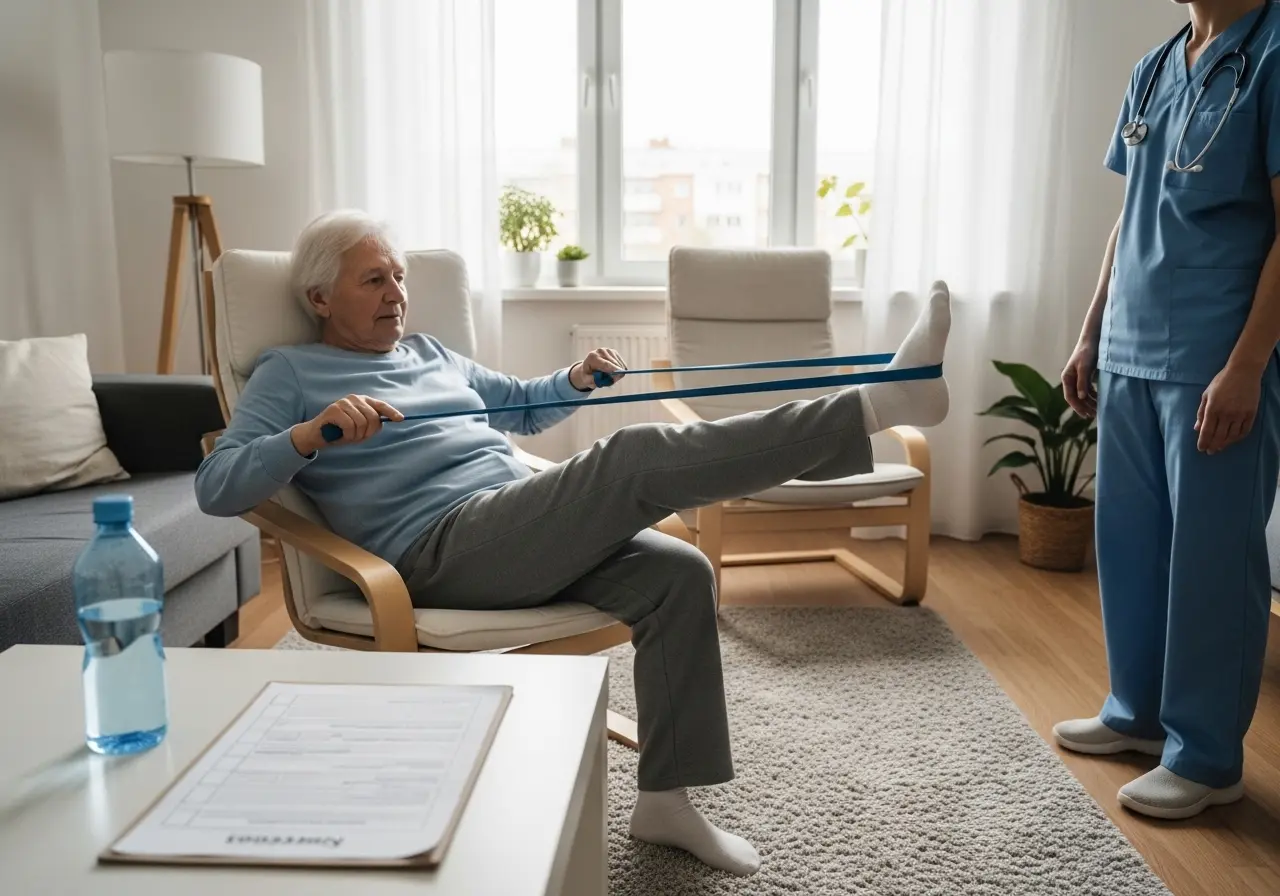
One of the biggest shifts I’ve noticed over the years is how many patients and families now seek out in-home physical therapy services in Illinois. Rather than traveling to a clinic two or three times a week, which can be exhausting for someone recovering from surgery or dealing with limited mobility, people are discovering that high quality therapy can happen right in their living room. It’s a practical option, and for many patients, it produces better outcomes because the therapist can see exactly how someone moves through their actual environment.
This guide is meant to walk you through everything you need to know what physical therapists actually do, when to seek one out, how to find someone qualified, and what questions to ask before you commit. Take your time with this. The decision matters.
What Does a Physical Therapist Do?
A lot of people think physical therapy is just about doing a few stretches and icing an injury. In reality, physical therapists are highly trained movement specialists with graduate level education who assess, diagnose, and treat a wide range of physical conditions. They look at how your body moves, where there are weaknesses or imbalances, and why those issues might be causing pain or limiting function.
Physical therapists treat conditions including joint pain, sports injuries, post surgical recovery, stroke rehabilitation, balance disorders, neurological conditions, and chronic pain. They use a combination of manual therapy (hands on techniques like joint mobilization), therapeutic exercise, education, and sometimes modalities like heat, cold, or electrical stimulation. The goal is always to restore function, reduce pain, and help the patient move through life as independently as possible.
For patients who receive physical therapy home health care, this work happens in the home environment. That setting actually gives the therapist a real world view of the patient’s life. They can see whether the bathroom is accessible, assess how someone navigates stairs, and tailor exercises to what the patient actually does every day. It’s a more complete picture than a clinic setting often allows.
Many physical therapists also specialize. Some focus on orthopedic conditions like hip or knee problems. Others specialize in neurological rehabilitation, pediatric therapy, cardiopulmonary conditions, or women’s health. When you’re looking for a therapist, knowing whether they have relevant experience with your specific condition is an important early step.
When You Might Need a Physical Therapist
People sometimes wait too long to seek physical therapy, either because they assume the pain will go away on its own or because they aren’t sure if their situation qualifies. In my experience, earlier is almost always better. Here are some of the most common situations where working with a physical therapist makes a meaningful difference:
After Surgery
Joint replacements, spinal surgeries, rotator cuff repairs, and ligament reconstructions all require careful, structured rehabilitation. Without proper physical therapy, scar tissue can form, strength may not return fully, and the risk of reinjury stays higher than it should be. Starting therapy soon after surgery once your surgeon gives the go ahead is one of the best things you can do for a full recovery.
Injury Rehabilitation
Whether you’ve strained a muscle, sprained a ligament, or dealt with a stress fracture, physical therapy helps restore strength and mobility in a way that just resting won’t accomplish. Therapists can guide you through progressive exercise so you don’t re injure yourself by returning to activity too quickly.
Chronic Pain
Back pain, neck pain, arthritis, and fibromyalgia are conditions that many people simply learn to live with. But physical therapy can genuinely reduce chronic pain and improve quality of life. It’s not a cure, but for many patients, consistent therapeutic exercise and manual therapy reduces their reliance on pain medication and makes daily life much more manageable.
Mobility Issues and Fall Prevention
This is where in home physical therapy for seniors becomes especially important. Falls are the leading cause of injury related death in adults over 65, and they’re often preventable. A physical therapist can assess balance, gait, and strength, and develop a targeted program to reduce fall risk. Doing this in the home environment is particularly valuable because the therapist can identify hazards, recommend modifications, and practice safety strategies in the exact space where the patient lives.
Neurological Conditions
Stroke, Parkinson’s disease, multiple sclerosis, and traumatic brain injury all benefit from physical therapy. In neurological rehabilitation, therapists work on retraining the nervous system, improving motor control, and building compensatory strategies that allow patients to function more safely and independently.
Benefits of Choosing In-Home Physical Therapy
Clinic based therapy is excellent for many patients. But for others particularly seniors, people recovering from surgery, individuals with transportation challenges, or anyone managing significant fatigue home based therapy is not just convenient. It can genuinely be the better clinical choice.
When patients search for in home physical therapy services near me, they’re often looking for a solution to a real barrier. Getting to a clinic two or three times per week requires a car, a driver, energy for the trip, and the ability to tolerate waiting rooms and the physical demands of travel. For someone with limited mobility or a complicated recovery, that’s a lot to ask.
Here is why home care physical therapy works so well for many patients:
- Real world environment. The therapist sees exactly how you move through your home, navigate furniture, manage stairs, and get in and out of bed. That information is clinically valuable and leads to more personalized care.
- Reduced fatigue and stress. For patients who tire easily, eliminating the travel burden means they have more energy for the actual therapy session.
- One on one attention. In a busy clinic, therapists often manage multiple patients at once. At home, the session is entirely focused on you.
- Family involvement. Caregivers and family members can observe sessions, learn home exercise programs, and understand what the patient needs. That continuity between sessions is often what makes the biggest difference.
- Consistency. Patients who receive home therapy tend to keep their appointments at higher rates, which means more consistent progress.
Physical therapy at home services in the USA have expanded significantly in recent years. Insurance coverage has improved, the number of qualified home health therapists has grown, and referral pathways have become clearer. If you’ve been on the fence, it’s worth exploring whether home therapy is a covered option for your situation.
How to Find a Good Physical Therapist
Many people aren’t sure where to start when looking for a therapist. The process doesn’t need to be overwhelming. Here’s how I’d walk a patient or family through it step by step.
Start With a Referral
Ask your primary care physician, surgeon, or specialist for a recommendation. Doctors who work regularly in your area of need orthopedics, neurology, geriatrics often have good relationships with local therapists and can point you toward someone with the right expertise. A direct referral also simplifies the insurance approval process in many cases.
Verify Licensing and Credentials
Every practicing physical therapist in the United States must hold a state license. You can verify this through your state’s licensing board website. In Illinois, that’s the Illinois Department of Financial and Professional Regulation. Look for the DPT (Doctor of Physical Therapy) designation, which reflects current doctoral level training. Some therapists also hold specialized certifications such as OCS (Orthopedic Clinical Specialist) or NCS (Neurologic Clinical Specialist), which indicate advanced knowledge in those areas.
Read Reviews and Ask Around
Online reviews are imperfect, but patterns matter. If a therapist consistently receives comments about being dismissive, always running late, or rarely spending time with patients individually, take that seriously. Equally important: talk to neighbors, friends, or people in your community who’ve been through similar recoveries. Word of mouth from someone who had a similar condition is often the most reliable guide. When looking for top rated in home physical therapy services near me, personal referrals frequently outperform any search result.
Check Availability and Coverage
When you’re ready to call a provider, ask about their scheduling availability. For patients with immediate needs, it’s worth asking about in home physical therapy services near me open now. Confirm they accept your insurance. Ask whether they serve your zip code or immediate area. Some providers will specify coverage within a certain radius, so if you’re in a suburban or rural area, it’s worth asking about service range, such as in home physical therapy services near me within 5 mi.
Schedule a Consultation Before Committing
Many therapists will do a brief phone consultation or initial evaluation before formally beginning care. Use this to ask your questions, assess how well the therapist listens, and gauge whether their communication style works for you. Trust your instincts here. A good therapeutic relationship requires real communication, and you can often sense in the first conversation whether that’s going to happen.
What to Look for in a Physical Therapist
Credentials matter, but they don’t tell the whole story. Some of the most important qualities in a physical therapist aren’t visible on a resume. Here’s what I look for when recommending a therapist to a patient or family:
Experience With Your Specific Condition
A therapist who has treated dozens of patients recovering from total hip replacements will bring a depth of knowledge that a generalist simply can’t match. Ask directly: how many patients with my condition have you treated, and what does your approach look like? A confident, specific answer is a good sign.
Communication and Listening Skills
The best therapists are excellent communicators. They explain what they’re doing and why. They listen carefully to feedback about what hurts or what isn’t working. They adjust the plan based on how the patient is responding, not just based on a predetermined protocol. Patients do better when they understand their own recovery, and a good therapist makes that understanding possible.
A Patient Centered Approach
In home health care and physical therapy, the care environment is the patient’s own home. That means the therapist needs to be adaptable, respectful of the patient’s space and preferences, and genuinely invested in the patient’s goals rather than a generic outcome. Some patients want to return to playing golf. Others just want to walk to the mailbox without pain. A good therapist takes the time to understand what the patient is working toward.
Professionalism and Reliability
Shows up on time. Come prepared. Keep accurate notes. Communicates clearly with the referring physician. These might sound like basic expectations, but they’re worth paying attention to. Consistency and professionalism are signs that a therapist is organized and takes the work seriously.
Questions to Ask Before Choosing a Therapist
Families often ask this when choosing a therapist: what should I actually say during that first call or meeting? Here are some specific questions worth asking:
- What experience do you have treating my specific condition or situation?
- How often will sessions be scheduled, and how long is each session?
- Do you offer home therapy visits, and do you serve my area?
- What does a typical session look like for someone in my situation?
- How will you communicate with my doctor or surgeon throughout the process?
- What results can I realistically expect, and how will we measure progress?
- What happens if I feel the sessions aren’t helping? Can we adjust the approach?
- Will I always work with the same therapist, or might different staff rotate in?
These questions serve two purposes. They give you concrete information to compare providers. And they give you a sense of how the therapist engages whether they answer thoughtfully and directly, or give you vague, rehearsed responses. Both tell you something important.
In-Home Physical Therapy Options in Illinois
Illinois has a well developed network of home health and outpatient physical therapy providers. If you’re in the Chicago metro area or the surrounding communities, you have access to a wide range of options, though availability, quality, and coverage can vary considerably by location and provider.
For families seeking in-home physical therapy services in Illinois, it’s worth knowing that some providers specialize in serving specific communities or corridors. If you are looking for in-home physical therapy services near Romeoville, IL, there are providers who serve the Will County area and the I 55 corridor, including many who are affiliated with larger health systems in Joliet and Naperville. Families should verify that a provider has active staff covering that specific area, as coverage can vary even within the same county.
Similarly, those searching for in-home physical therapy services near Lockport IL should ask providers directly whether they have therapists regularly working in that part of Will County. Some agencies cover broad geographic areas but may have longer scheduling delays for certain zip codes. It’s always worth asking how quickly they can get someone out to your location and whether there’s a consistent therapist assignment.
For those in need of in-home physical therapy services near Palisades, IL, options may be more limited depending on the provider network, and it may be worth contacting both independent therapists and larger home health agencies to compare what’s available and how quickly services can begin.
Regardless of your specific location, the key steps remain the same: confirm licensure, ask about experience with your condition, verify insurance coverage, and make sure the provider can commit to consistent scheduling. A great therapist who cancels frequently or can’t commit to regular visits will not produce the same outcomes as a reliable one.
Special Types of Physical Therapy Services
Physical therapy is not one size fits all. Depending on the patient’s age, condition, and goals, different types of specialized care may be appropriate.
Pediatric Physical Therapy
Children with developmental delays, cerebral palsy, muscular conditions, congenital differences, or injuries from accidents can benefit enormously from specialized pediatric physical therapy. Pediatric therapists are trained to work with children in developmentally appropriate ways, using play based approaches that keep kids engaged. If you’re searching for in-home pediatric physical therapy services near me, look for therapists who have specific training in pediatric development and experience with your child’s condition. Home based therapy for children often works especially well because it eliminates the anxiety that clinical settings can create for young patients.
Senior Physical Therapy
Older adults have unique physical needs. Bone density, muscle mass, balance, and coordination all change with age. Therapists who specialize in geriatric care understand how to work safely and effectively with older patients, including those managing multiple health conditions or taking medications that affect balance or cognition. In-home physical therapy for seniors near me is one of the most searched categories in physical therapy, and for good reason. Home based care eliminates travel barriers and allows therapists to focus on functional independence in the actual living environment.
Post Surgery Rehabilitation
Orthopedic surgeries, cardiac procedures, and abdominal surgeries all require specific rehabilitation protocols. Post surgical therapists work closely with the surgical team to follow protocols that protect the surgical site while progressively rebuilding strength and function. Timing matters a great deal in post surgical PT, so having a clear communication pathway between your therapist and surgeon is essential.
Physical Therapy Exercises You May Continue at Home
One of the most important things a physical therapist does is teach you. The exercises and movement strategies you practice during sessions are designed to be continued between visits. In fact, the consistency of your home exercise program is often what determines the pace and completeness of recovery.
Physical therapy exercises at home vary widely depending on your condition and stage of recovery, but here are some common categories:
- Strengthening exercises. These target specific muscle groups that have weakened due to injury, surgery, or disuse. Common examples include glute bridges, clamshells, straight leg raises, and resistance band exercises.
- Range of motion work. Gentle, controlled movements that gradually restore joint flexibility. These are especially important after surgery or prolonged immobility.
- Balance and stability training. Standing on one leg, tandem stance, stepping exercises, and movement challenges on unstable surfaces all improve proprioception and reduce fall risk.
- Stretching. Maintaining and improving flexibility in muscles and connective tissue supports joint health and reduces pain.
- Functional movement practice. Getting in and out of a chair, navigating stairs, reaching overhead, practicing these movements in a controlled way builds confidence and safety.
Your therapist will typically give you written instructions or demonstrate exercises on video so you can practice correctly when they’re not present. Never push through sharp or worsening pain with home exercises. If something hurts differently than expected, contact your therapist before continuing.
The Role of Assistants and Home Health Teams
In many home health settings, care is delivered by a team rather than a single therapist. Understanding how these teams are structured helps patients and families know what to expect and who to call with questions.
A physical therapy assistant home health care provider works under the supervision of a licensed physical therapist. PTAs (Physical Therapist Assistants) hold associate or bachelor’s degrees and are licensed in their own right. They’re qualified to implement the care plan developed by the supervising PT, carry out therapeutic exercises, and monitor patient progress. In many home health agencies, you may see the PT for initial evaluation and periodic reassessments, while the PTA conducts the regular sessions in between.
Home health teams also typically include registered nurses, home health aides, occupational therapists, and sometimes speech therapists. These disciplines collaborate around the patient’s overall care plan. A good home health agency coordinates these services so that each provider is aware of what the others are doing. If you’re working with an agency, ask how communication happens between team members and how often the supervising PT reviews and updates the care plan.
From a patient perspective, continuity matters. Seeing the same therapist or assistant consistently builds trust and allows for better tracking of progress. When you’re evaluating providers, it’s worth asking whether they can commit to consistent staffing for your case.
Questions Families Often Ask
How do I find the best physical therapist near me?
Start with a referral from your doctor, then verify the therapist’s license through your state licensing board. Read online reviews for patterns, ask friends or family for recommendations, and most importantly schedule a consultation before committing. For home based care, many families find that searching for in-home physical therapy services in Illinois through their insurance provider’s directory is a good starting point, as it narrows the list to covered providers in your area.
Is home physical therapy as effective as clinic based therapy?
Research generally supports that well delivered home physical therapy produces outcomes comparable to clinic based care for many conditions, and may be superior for patients with significant mobility limitations, transportation barriers, or high fall risk. The key is the quality and consistency of the care, not the setting. For patients who struggle to get to a clinic reliably, home therapy often leads to better adherence and therefore better results.
What qualifications should a physical therapist have?
At minimum, a licensed physical therapist in the United States holds a DPT (Doctor of Physical Therapy) degree and a valid state license. Many also have board certifications in specialties such as orthopedics, geriatrics, or neurology. Physical therapist assistants hold an associate degree and are also state licensed. Always verify licensure before beginning care.
How long will physical therapy take?
This varies widely depending on the condition, its severity, how long it’s been present, the patient’s overall health, and how consistently they engage with their home exercise program. Post surgical rehab often runs from six weeks to several months. Chronic pain conditions may require longer ongoing management. Your therapist should give you an early estimate and revisit it regularly as care progresses. Be skeptical of anyone who gives you a definitive timeline before they’ve completed an initial evaluation.
Can seniors really benefit from in-home physical therapy?
Absolutely. In fact, in home physical therapy for seniors is one of the areas where home based care really shines. Older adults often have the most to gain from therapy improved strength, better balance, reduced fall risk, greater independence and the most to lose from transportation barriers that prevent consistent attendance. A therapist working in the home can assess the actual environment, recommend modifications, and help the family understand what to watch for between sessions.
Does Medicare or insurance cover in-home physical therapy?
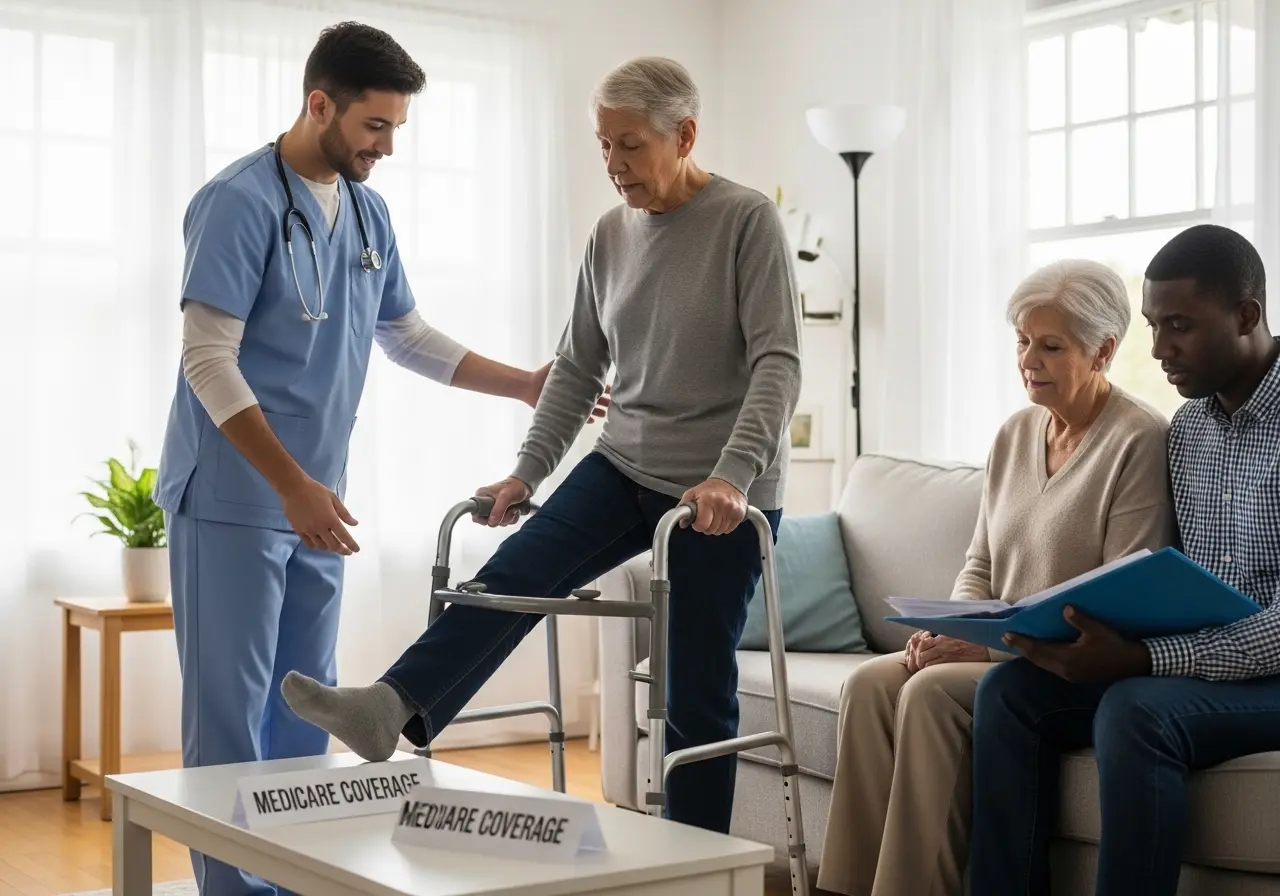
Medicare Part A covers home health physical therapy services for patients who meet homebound criteria, meaning that leaving home requires considerable effort. Medicare Part B covers outpatient physical therapy, including some home based models. Many commercial insurance plans cover in-home PT with a physician referral. Medicaid coverage varies by state. Always verify your specific benefits before beginning care, and ask the provider whether they handle billing directly with your insurer.
What’s the difference between a physical therapist and an occupational therapist?
Physical therapists focus primarily on mobility, strength, balance, and pain related to the musculoskeletal and neurological systems. Occupational therapists focus on helping people perform daily life activities dressing, cooking, bathing with adaptive strategies and equipment. For many patients, particularly older adults or those recovering from stroke, both disciplines provide complementary value. A good home health agency will coordinate both when needed.
Conclusion: Take the Time to Choose Well
Recovery is real work. It takes patience, effort, and trust in your own body’s ability to heal, and trust in the professional guiding the process. The physical therapist you choose plays a significant role in shaping that experience, and taking a little extra time at the front end to make a thoughtful choice can save a great deal of frustration later.
Whether you’re a patient looking for help after surgery, a caregiver helping an elderly parent regain their footing, or a family trying to figure out what comes next after a hospital discharge, the core advice holds: get a referral, check credentials, ask good questions, and pay attention to how the therapist communicates. Those things matter as much as any certification.
For those in Illinois exploring in home physical therapy services, know that quality care is available. The home therapy model has grown significantly, providers are well trained, and for many patients, the comfort and convenience of receiving care at home genuinely improves outcomes. Don’t rule it out simply because it’s different from what you’re used to.
Take your time comparing providers. Ask the questions above. And if something about a therapist or agency doesn’t feel right even if everything on paper looks fine it’s okay to keep looking. The right match is worth finding.
Recovery is possible. The right therapist can help you get there. Read more