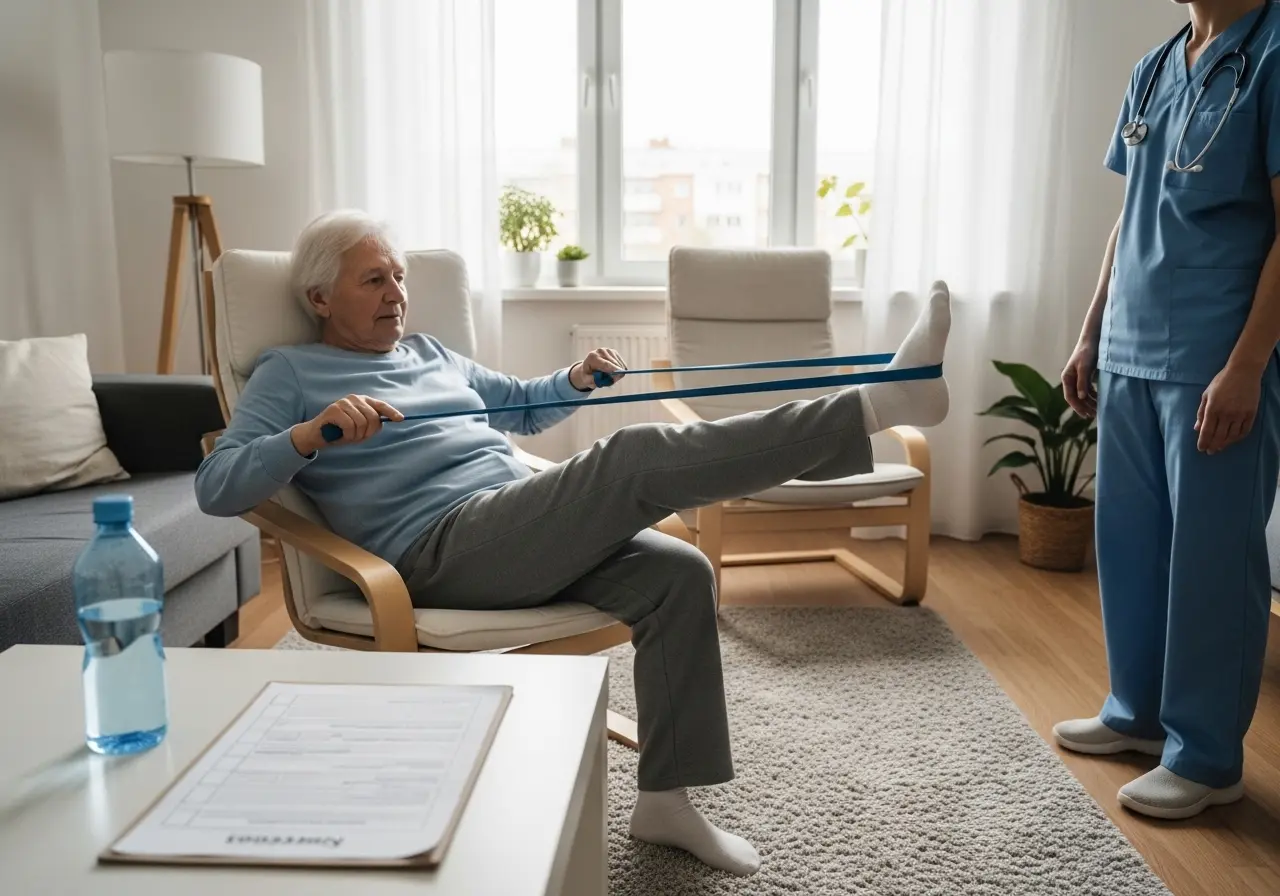
Introduction
This is one of the most common questions patients ask. When you or a loved one comes home from the hospital, the transition can feel overwhelming. You have a list of instructions, a new daily routine, and a set of movements to practice. It is completely normal to feel unsure about how often to do these movements.
Many people worry they will do too much and cause more pain. Others worry they will do too little and slow down their recovery. As a physical therapist, I see this hesitation every single day. The truth is, finding the right balance takes time. Consistency matters more than intensity.
Having professional guidance makes a massive difference in how confident you feel. A therapist helps you figure out exactly what your body needs. Understanding how your in home health care insurance works can also give you peace of mind, knowing you have access to the support you require. In this guide, I will walk you through everything you need to know about setting up a safe and effective routine at home.
Why Physical Therapy Exercises Matter
When you are recovering from an illness or a surgery, your body needs movement to heal properly. Lying in bed for too long can actually cause more problems. It leads to stiff joints and weak muscles. That is why we prescribe physical therapy exercises for seniors and patients of all ages.
The main goal of these exercises is to help you regain your strength and mobility safely. When you move, you increase blood flow to your healing tissues. This brings oxygen and nutrients right where your body needs them most.
Doing your exercises also prevents common complications. For example, moving your legs after surgery helps prevent blood clots. Stretching your shoulders prevents them from freezing up. We design these routines specifically to protect your body while it heals.
Your daily routine might look simple on paper. You might just be doing a few ankle pumps or lifting your leg a few inches off the bed. But these small movements build the foundation for your independence. They help you get out of a chair, walk to the bathroom, and eventually return to your normal life.
How Often Should You Do Physical Therapy at Home?
The general rule I tell my patients is to follow the exact frequency written on your home exercise program. For most people, this means doing exercises one to two times a day. However, the answer truly depends on your condition, your age, and your stage of recovery.
If you are looking for physical therapy at home for seniors in Illinois, you will find that therapists tailor their advice to each person. Some gentle stretching might be safe to do three times a day. Harder strengthening exercises might only be safe to do once a day or every other day.
When you start in-home physical therapy for seniors, your therapist will usually give you a printed sheet of exercises. Look closely at the numbers at the top of the page. You will see sets and reps listed. Sets refer to how many groups of exercises you do. Reps refer to how many times you do the movement in one group.
A common starting point is doing ten repetitions of an exercise, taking a break, and doing ten more. You might do this whole process once in the morning and once in the afternoon.
Listen to your body. If you feel extremely tired after your morning session, you might need to skip the afternoon session. Always tell your therapist how you feel after you finish your routine. Your therapist will change your instructions as you get stronger.
Factors That Affect Exercise Frequency
No two patients are exactly alike. Even two people who had the exact same knee surgery will heal at different speeds. Several factors change how often you should be exercising.
The type of injury or condition plays a huge role. If you are recovering from a stroke, your brain needs frequent repetition to relearn movements. You might need to do short bursts of exercise several times a day. If you had a joint replacement, you might need more rest between sessions to let the swelling go down.
Age and current mobility levels also matter. Older adults might need more time to recover between exercise sessions. We want to challenge your muscles, but we do not want to exhaust you.
Pain levels are another critical factor. A little bit of soreness is normal when you start using muscles that have been resting. But sharp or shooting pain means you need to stop. If your pain levels stay high for hours after you exercise, you might be doing your routine too often.
Finally, your stage of recovery dictates your frequency. In the first few weeks at home, your routine will be gentle and frequent. As you heal, your exercises will get harder, and you might do them less often to give your muscles time to rebuild.
Risks of Doing Too Much or Too Little
Finding the middle ground is the secret to a good recovery. Doing too much too quickly can actually slow your recovery down. This is what we call overexertion.
When you push your body too hard, you increase inflammation. This makes your joints swell and hurt more. Overexertion can also lead to muscle strains. If you strain a healing muscle, you might have to stop your therapy completely for a few days to let it rest. This sets your progress back.
On the other hand, doing too little also carries significant risks. If you skip your exercises for several days, your muscles start to weaken again. Your joints become stiff and harder to move.
Lack of progress is the biggest risk of underdoing your routine. We want you to reach your goals. We want you to be able to walk comfortably and take care of yourself. Skipping your therapy makes those goals much harder to reach. It can also lead to long term stiffness that is very difficult to fix later on.
Benefits of Regular Physical Therapy at Home
When you stick to a balanced schedule, the results are wonderful to see. One of the greatest benefits of physical therapy for seniors in home is the comfort of healing in your own space. You do not have to worry about traveling to a clinic when you are already feeling tired or sore.
Regular therapy at home leads to faster recovery times. Because you are doing your exercises exactly where you live, you learn how to navigate your actual environment. You practice getting in and out of your own bed. You practice stepping over the specific rugs in your hallway.
This leads directly to improved independence. Families often tell me how happy they are to see their loved one walking to the kitchen by themselves again. That independence brings back a sense of dignity and joy.
Better long term mobility is another huge benefit. The strength you build during your home therapy will protect you from future falls. It gives you the confidence to leave the house, visit friends, and enjoy your hobbies safely.
Role of Home Health Care Professionals
You do not have to figure out your recovery all by yourself. Home health care professionals are there to guide you every step of the way. When people search for in home physical therapy for seniors near me, they are looking for a trusted expert to bring clarity to their daily routine.
A therapist visits you, assesses your living space, and creates a plan just for you. We watch exactly how you move. We correct your posture if you are leaning too far forward. We make sure you are doing the exercises safely so you do not get hurt.
Having someone physically present makes a big difference. Some providers, like Valentine Home Health Care, guide patients on safe exercise routines at home. They show you and your family how to use equipment properly.
If you are looking for physical therapy for seniors near you, remember that the goal of these professionals is education. We want to teach you how to manage your own health. We show your family members how to help you without straining their own backs. We answer your questions and adjust your plan as you improve.
Home Health Care Services in Illinois
If you live in the Midwest, finding local support is easier than you might think. There is a strong network of home health care in illinois designed to help families manage complex medical needs right in their own neighborhoods.
For instance, families seeking Elderly home care lemont, il have access to trained professionals who can assist with daily living tasks alongside therapy. Senior home care in lemont il often involves a team approach. A nurse might check your vital signs, an aide might help you bathe, and a therapist will handle your exercise routine.
This team approach is highly effective. If you need caregiver services Lockport IL, you can find people who will remind your loved one to do their exercises safely when the therapist is not there. Those looking for senior care assistance Palisades IL can also find comprehensive support systems tailored to their specific needs.
Even specialized needs are covered locally. Providers offering home nursing care Romeoville IL work closely with therapists to ensure you are taking the right medications to manage your pain before you exercise. Organizations like Valentine Home Health Care work within these communities to bring coordinated, practical care directly to the families who need it most.
How to Stay Consistent With Exercises
Knowing what to do is only half the battle. Actually doing it every day is where the real work happens. In my experience, setting a firm routine is the best way to stay consistent.
Pick a specific time of day for your exercises. Maybe you always do your first set right after breakfast. Tying your exercises to a daily habit makes it much harder to forget them.
Tracking your progress is another great trick. Keep a simple piece of paper on your refrigerator. Put a checkmark next to the days you complete your routine. Seeing those checkmarks add up gives you a wonderful sense of accomplishment. It reminds you that you are actively working toward your recovery.
Working with caregivers makes consistency much easier. If you live with a family member, ask them to exercise with you. They do not have to do the actual movements. They can just sit with you, count your repetitions, and keep you company. Having a friendly face in the room turns a boring medical task into a nice moment of connection.
When to Adjust Your Exercise Routine
Your body will tell you when it is time to make a change. You just need to know how to listen.
There are clear signs you need to slow down. If you feel sharp pain in a joint, stop immediately. If you notice new swelling that does not go down with ice, you are likely doing too much. If you feel so exhausted that you cannot stay awake during the day, your body is asking for more rest.
Conversely, there are times when you need to increase your intensity. If you finish your ten repetitions and feel like you could easily do twenty more, the exercise is too easy. If you do not feel any muscle fatigue at all, you are probably not building strength.
Never make big changes entirely on your own. Always rely on therapist feedback. Tell your therapist exactly how the exercises feel. They will test your strength and decide if it is time to add ankle weights or try a harder movement. Providers like Valentine Home Health Care always evaluate your progress at every visit to make sure your routine is challenging but safe.
Understanding Coverage and Costs with In Home Health Care Insurance
One of the biggest worries families have is how to pay for this care. Understanding your in home health care insurance is a vital part of the recovery process.
Most major insurance plans, including Medicare, cover home physical therapy if a doctor orders it. Your doctor must certify that you are homebound. This simply means that leaving your home is very difficult and requires a lot of effort.
The role of in home health care insurance is to make sure you get the medical support you need without facing financial ruin. Your insurance usually covers a specific number of visits or a certain period of time.
There are differences in coverage depending on your exact plan. Some plans cover 100 percent of the cost. Other plans require a small copayment for each visit. It is very important to call your insurance company or ask your home health agency to verify your benefits before you start. They can explain exactly what your in home health care insurance will pay for, so you do not get any surprise bills later on.
Questions Families Often Ask
Over the years, I have heard the same excellent questions from many different families. Here are clear answers to help you feel more confident.
How many times a day should I do exercises?
Most patients do their home exercises one to two times a day. Your therapist will write the exact number on your instruction sheet. Always follow their specific recommendation for your condition.
Can I skip a day?
If you are feeling very sick or experiencing unusual pain, it is okay to rest for a day. However, do not make skipping a habit. Consistency is the most important part of getting your strength back.
What if exercises cause pain?
Mild muscle soreness is normal. Sharp, shooting, or intense pain is not normal. If an exercise causes sharp pain, stop doing it and tell your therapist right away.
Do seniors need daily therapy?
Many seniors benefit from doing gentle movements every day to prevent stiffness. However, intense strengthening might only happen a few times a week. Your therapist will balance your need for movement with your need for rest.
Is home therapy effective?
Yes. Home therapy is incredibly effective. It allows you to practice moving in your actual living environment. This makes the skills you learn immediately useful in your daily life.
Will my in home health care insurance cover my equipment?
Sometimes. Items like walkers or bedside commodes are often covered under the durable medical equipment part of your plan. Smaller items like exercise bands are usually provided by your therapist directly.
How long will I need home therapy?
This depends entirely on your healing process. Some people need two weeks of help after a simple surgery. Others need a few months of support after a major medical event.
Conclusion
Recovering at home takes patience, effort, and guidance. The best way to approach your physical therapy exercises is to remember that consistency is key. Small, daily efforts add up to massive improvements over time.
Always follow professional guidance. Your therapist creates a plan based on years of medical training. Trust their advice on how often to exercise and when to rest. Avoid overdoing it, as rushing the process usually leads to setbacks.
Home therapy can be highly effective when you approach it with the right mindset. You have the power to improve your strength right in your own living room. Lean on your support system, stay positive, and take your recovery one day at a time. Read more