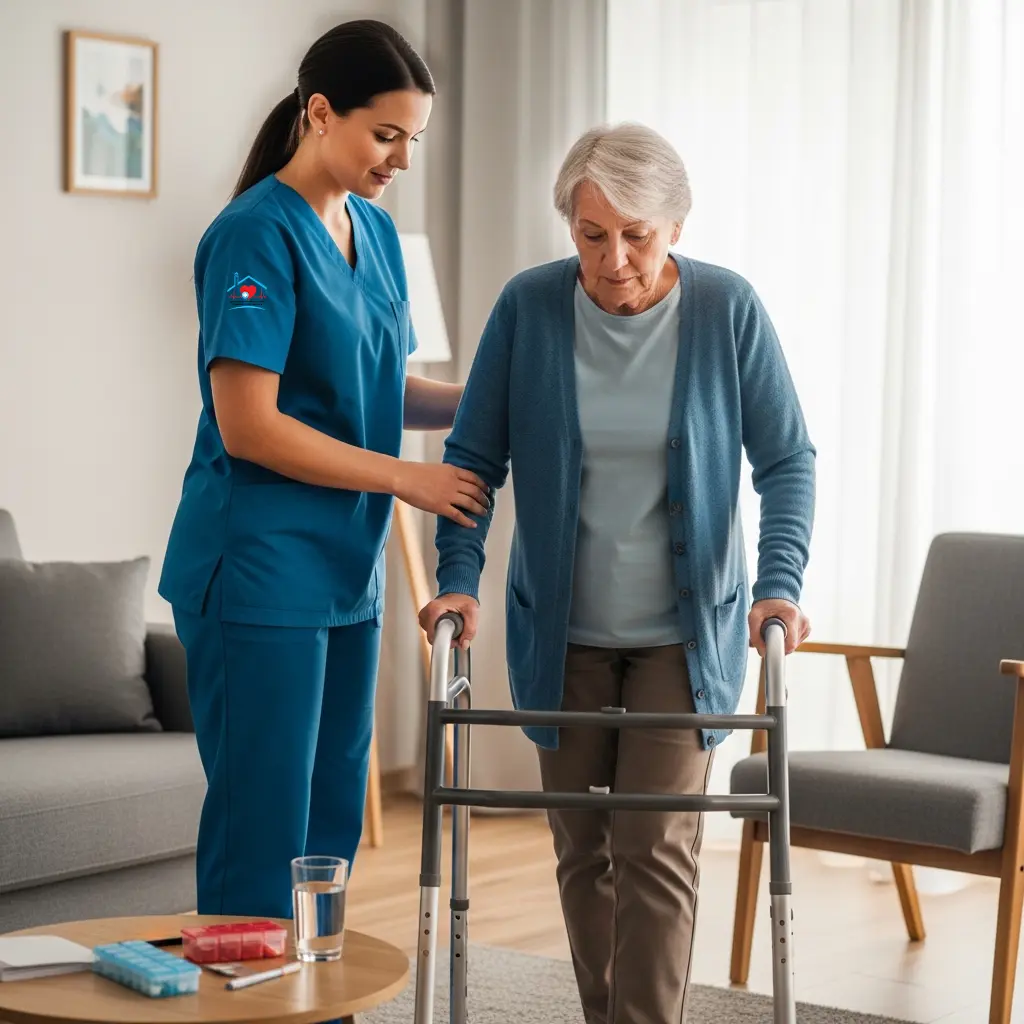
Introduction: A Decision That Deserves Careful Thought
When someone you love is diagnosed with Parkinson’s disease, the first thing most families feel is a mix of fear and uncertainty. What does this mean for daily life? How much help will they need? And at some point, almost every family asks the question: should my loved one stay home, or would a care facility be better?
There is no single answer that works for everyone. But in my experience working with Parkinson’s patients and their families across many years, I can tell you this: most people do better at home for longer than families expect. The right support makes an enormous difference.
Parkinson’s disease is a progressive neurological condition that affects movement, balance, coordination, and in some cases, thinking and mood. It develops slowly, often starting with a slight tremor in one hand, a stiffness in the shoulders, or a subtle change in the way someone walks. Over time, symptoms become more complex and daily life requires more assistance. But “more assistance” does not automatically mean a nursing home or memory care unit. For a very large number of patients, home health care for Parkinson’s patients provides exactly the level of support needed while preserving something that cannot be replaced: the comfort of home.
This guide is written for families who are weighing their options, caregivers who want to understand what Parkinson’s care really involves, and patients themselves who want to know what to expect. I will walk you through what daily life with Parkinson’s looks like, why staying home is often the better path, what kinds of support matter most, how to think about costs and insurance, and how to plan for the long road ahead.
Understanding Parkinson’s and the Daily Challenges It Brings
Parkinson’s doesn’t affect everyone the same way. Two patients with the same diagnosis at the same age can have very different experiences. One person may have significant tremor but good balance for years. Another may develop a shuffling walk early on but have minimal shaking. That variability is actually one of the strongest arguments for home based care rather than institutional care. A care facility has to work with groups of people. Home care works with one person.
Movement and Motor Symptoms
The most recognized features of Parkinson’s are the motor symptoms. Tremors, which are the involuntary shaking most people associate with the disease, typically start on one side of the body. Rigidity, or muscle stiffness, can make it harder to turn over in bed, get dressed, or reach overhead. Bradykinesia, which simply means slowness of movement, affects everything from buttoning a shirt to getting up from a chair.
Then there is a phenomenon called freezing of gait, where a person suddenly feels as though their feet are glued to the floor mid stride. This can happen at doorways, in hallways, or when making a turn. It is one of the more frightening experiences for patients and one of the primary causes of falls.
Balance and Fall Risk
Falls are one of the most serious safety concerns for Parkinson’s patients. The disease disrupts postural reflexes, which are the automatic adjustments we make to stay upright. A person without Parkinson’s who starts to tip backward will automatically catch themselves. Someone with moderate to advanced Parkinson’s may not have that reflex working reliably. This is why fall prevention becomes a central focus of any good care plan.
Non Motor Symptoms
What surprises many families is how much of Parkinson’s is invisible. Depression and anxiety are common, often appearing years before the physical symptoms become obvious. Sleep disturbances are nearly universal. Some patients experience cognitive changes as the disease progresses, ranging from mild memory issues to, in some cases, dementia. Constipation, low blood pressure when standing, and difficulty swallowing are also part of the picture for many people.
All of these challenges require care that is attentive, flexible, and personal. They also require an environment where the patient feels safe and understood. That is exactly what a well structured home care plan can provide.
What Is Home Health Care for Parkinson’s Patients?
Home health care for Parkinson’s patients refers to professional medical and supportive care delivered in the patient’s own home. This is not just having a family member help with meals and errands. It is a coordinated approach involving trained caregivers, therapists, and in some cases, nurses who come to the home on a scheduled basis to support the patient’s health and daily functioning.
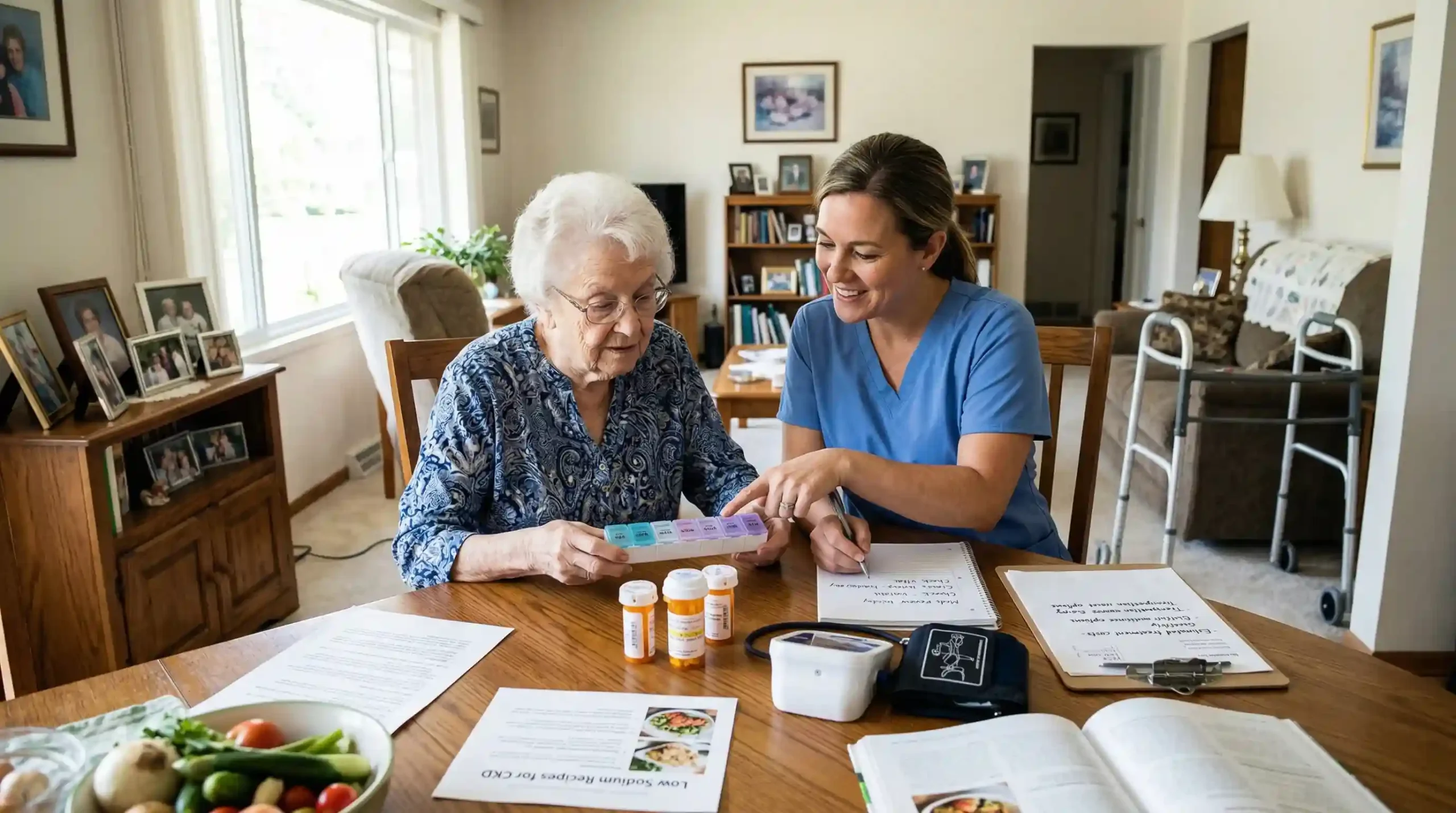
The team involved in in home care for Parkinson’s patients typically includes several different types of professionals. Home health aides assist with personal care such as bathing, dressing, grooming, and mobility. Skilled nurses visit to monitor medication schedules, vital signs, and symptom changes. Physical therapists work on gait, balance, and strength. Occupational therapists help patients adapt daily tasks and make the home safer. Speech therapists address swallowing difficulties and voice strength, both of which can be affected by Parkinson’s.
Care is delivered on a schedule that fits the patient’s actual needs. In the early stages, that might mean a few visits per week. As Parkinson’s progresses, care can be increased to daily support, and eventually to full time assistance. Home care for Parkinson’s patients is uniquely flexible in this way. It can scale gradually alongside the disease rather than requiring a sudden, disruptive move to a new environment.
One important distinction to understand: home health care is different from home care. Home health care involves skilled medical professionals and is often covered by Medicare or insurance when certain criteria are met. Home care, sometimes called personal care or custodial care, involves non medical assistance with daily activities. Both are valuable, and many patients use a combination of the two.
Why Home Care Is Often the Better Option for Parkinson’s Patients
I have seen families agonize over this decision. They worry that staying home is not safe, that they cannot provide enough care, or that they are somehow failing their loved one by not choosing a facility. I want to address that honestly: home care is not the easier choice. It requires planning, coordination, and ongoing attention. But for most patients, it is the better choice, for reasons that go beyond sentiment.
The Power of Familiar Surroundings
Parkinson’s patients, especially those with any degree of cognitive involvement, thrive in familiar environments. They know where the bathroom is at 3 in the morning. They know which chair is easiest to get out of. They recognize the sounds of their own home. This familiarity reduces confusion, reduces anxiety, and supports the kind of calm daily routine that helps manage Parkinson’s symptoms.
When a patient moves to a facility, even a good one, there is an adjustment period. That adjustment is genuinely hard for someone whose nervous system is already under stress. Many families report that their loved one seemed to decline rapidly after a move, not because of the disease progressing, but because of the disorientation and loss of control that comes with a new environment.
Personalized, One on One Attention
Facilities care for many residents at once. Even with the best staff and the best intentions, the ratio of caregivers to patients means that care is necessarily generalized. Home health care for Parkinson’s patients, by contrast, is designed around one person. The caregiver learns that your father likes his coffee made a certain way, that he needs extra time in the morning to move through his stiffness, that he becomes anxious when his schedule is disrupted. That kind of individualized attention is impossible to replicate in a facility setting.
Reduced Infection and Hospitalization Risk
Facilities, by their nature, bring together many people with compromised health. For Parkinson’s patients, whose immune systems may be affected by medications and reduced activity, exposure to infections is a real concern. Staying home significantly reduces exposure to hospital acquired infections and other communicable illnesses. This is not a small consideration.
Emotional and Psychological Benefits
Depression and anxiety are among the most debilitating non motor symptoms of Parkinson’s. Being surrounded by familiar objects, pets, family photos, a garden, the sounds of a neighborhood the patient has lived in for decades, these things matter. They provide continuity of identity. A person with Parkinson’s is still themselves. Keeping them in the context of their own life supports that in a way that a facility room simply cannot.
Home health care for Parkinson’s patients supports not just physical health, but the whole person. That holistic approach is what makes it so effective for so many families.
Physical Therapy and Movement Support at Home
If I had to name the single most important professional intervention for Parkinson’s patients, it would be physical therapy. Movement is medicine for this disease. Consistent, targeted physical therapy slows motor decline, reduces fall risk, improves balance, and maintains the strength and flexibility patients need to stay mobile and independent.
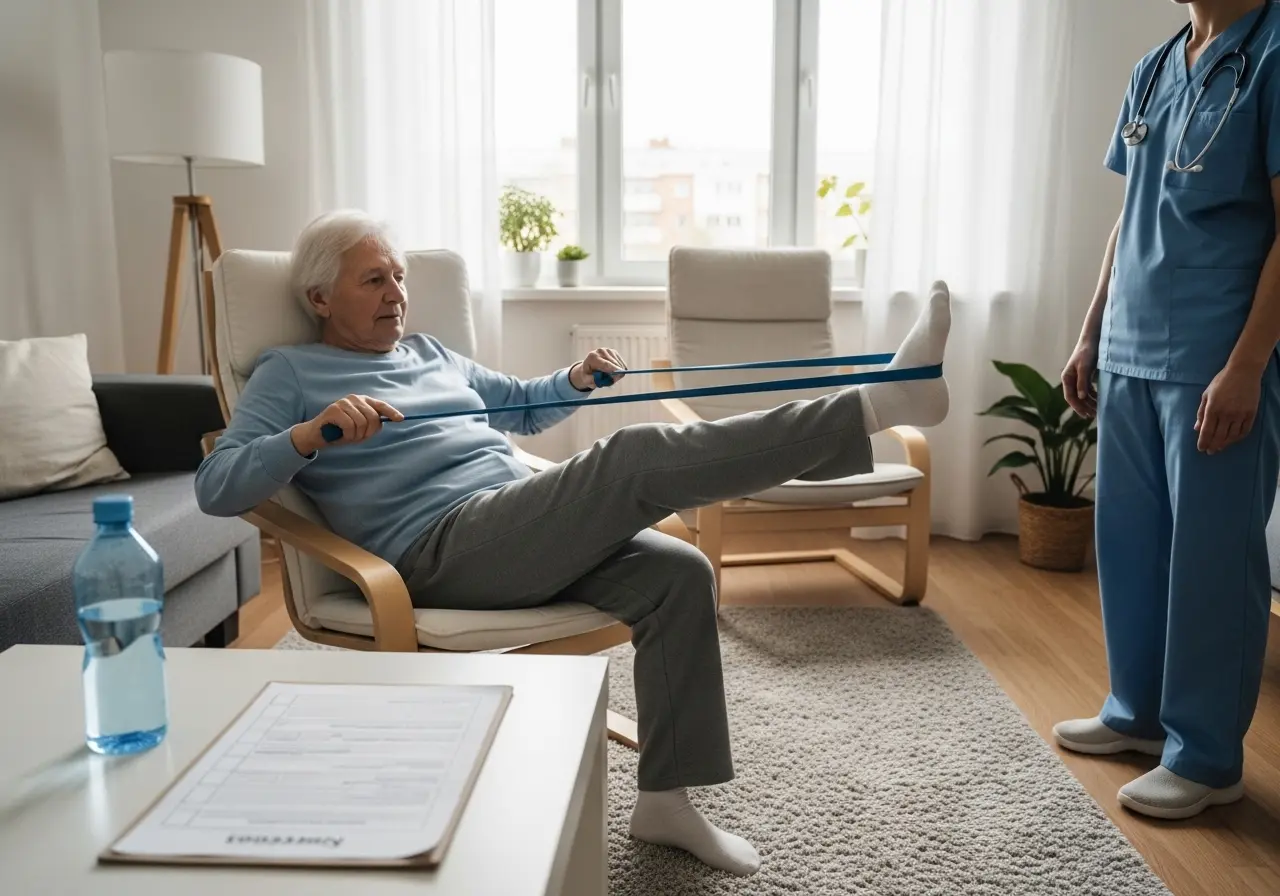
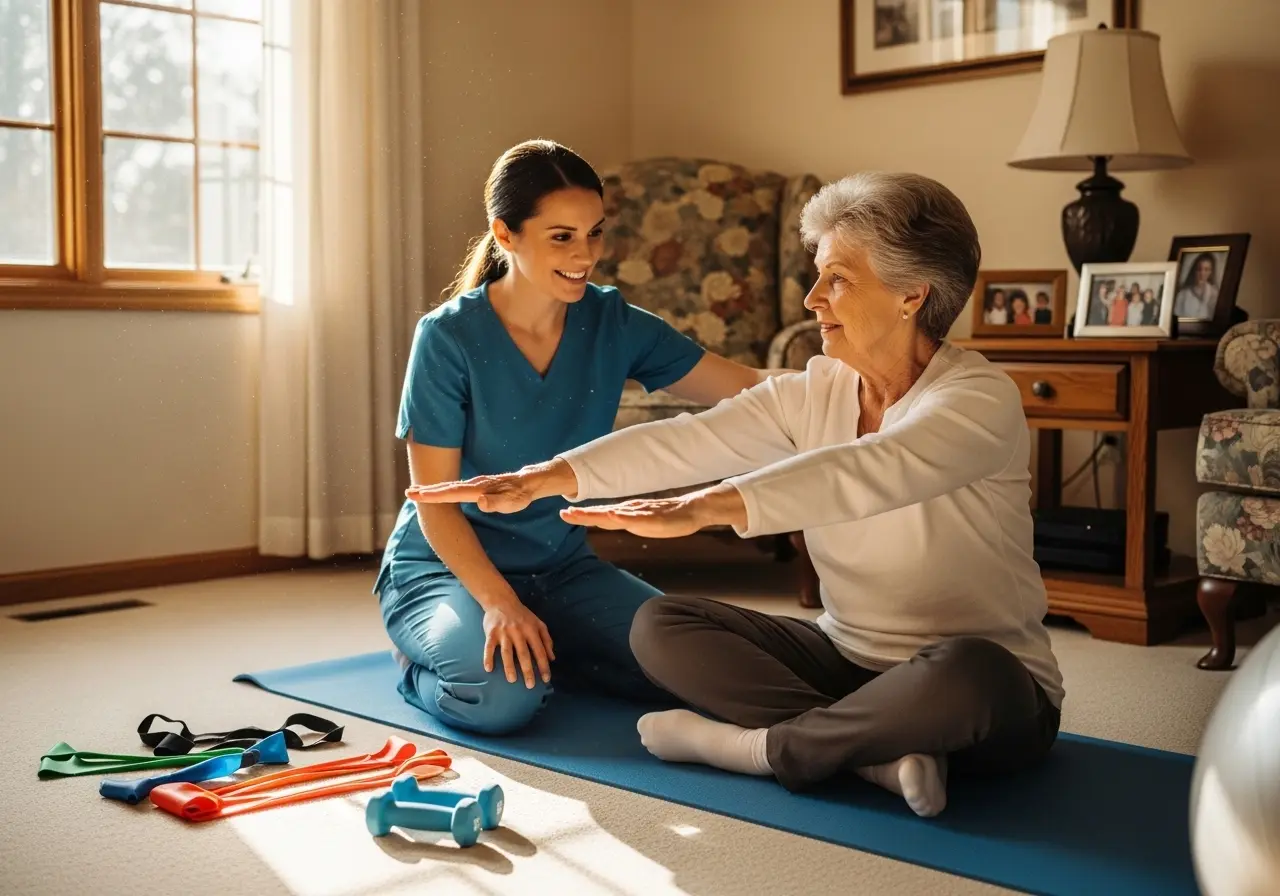
Physical therapy for Parkinson disease patients focuses on several key areas. Gait training addresses the shuffling walk and freezing of gait that are hallmarks of the disease. Balance exercises rebuild the postural reflexes that Parkinson’s disrupts. Strength training, particularly of the core and lower body, supports safe movement. Flexibility work reduces the rigidity that makes everything from getting dressed to eating more difficult.
In home physical therapy services near you are often the best option for Parkinson’s patients. Going to a clinic requires transportation, waiting rooms, and unfamiliar environments, all of which can be fatiguing and stressful. When a physical therapist comes to the home, they can assess the actual environment the patient lives in. They can identify hazards, recommend specific modifications, and design exercises that translate directly into the patient’s daily routine.
Care providers such as Valentine Home Health Care Inc often help families create safe daily routines for Parkinson’s patients at home, coordinating between physical therapists, occupational therapists, and skilled nursing staff to deliver a truly integrated care plan. This kind of coordination, where everyone on the care team is communicating and working from the same plan, makes a real difference in outcomes.
Research consistently supports the value of regular physical activity for Parkinson’s patients. Studies have shown that exercise can actually help protect the neurons that produce dopamine, the chemical the brain loses in Parkinson’s disease. This means physical therapy is not just about managing symptoms today. It is about slowing the disease’s progression over time.
Exercises and Safe Rehabilitation for Parkinson’s Patients
One of the most empowering things a Parkinson’s patient can do is commit to a daily movement routine. Exercises for Parkinson’s patients do not have to be intense or complicated. Consistency matters far more than complexity. A modest routine done every day will outperform an ambitious one done occasionally.
Types of Exercise That Help
Balance exercises are foundational. Standing on one foot, heel to toe walking, and gentle side steps all challenge the postural control system that Parkinson’s disrupts. These exercises are best learned with a physical therapist first, then practiced daily at home with appropriate supervision or safety measures.
Stretching routines address the rigidity that Parkinson’s causes. Gentle shoulder rolls, neck stretches, spinal rotation, and hip flexor stretches help maintain range of motion and reduce the stiffness that makes movement painful and effortful. Many patients notice that they move significantly better after even ten minutes of gentle stretching in the morning.
Strength training, even with light resistance bands or body weight exercises, helps maintain the muscle mass needed for safe mobility. Chair stands, which involve slowly rising from and lowering into a chair, are particularly valuable because they build the leg strength needed for one of the most essential daily movements.
Aerobic exercise such as walking, swimming, or stationary cycling has shown remarkable benefits for Parkinson’s patients, including improvements in mood, sleep, and cognitive function. Even a 20 minute walk at a comfortable pace, done safely with appropriate supervision or assistive devices, can have meaningful benefits.
Safe Rehabilitation Movements
Safe rehabilitation movements for Parkinson’s patients focus on control over speed. Movements should be deliberate, performed with attention and without rushing. Visual cues, such as floor markers or stepping stones, can help patients with freezing gait by giving the brain a target to step toward. Rhythmic cueing, either verbal counting or music, can also help initiate movement when freezing occurs.
The key is building a routine that is safe enough to do every day without risk of injury, challenging enough to provide real benefit, and adapted to the patient’s current stage of the disease. A good physical therapist will design exactly this.
Safety and Assisted Living Equipment at Home
Making the home safer for a Parkinson’s patient is not about making it institutional. It is about thoughtful modifications that reduce hazards without removing the warmth and familiarity that make home valuable. Most of the changes that matter most are inexpensive and can be implemented in a weekend.
Fall Prevention Essentials
Throw rugs are one of the most common causes of falls. Remove them or secure them with non slip backing. Ensure all walking paths through the house are clear and well lit, particularly the paths between the bedroom, bathroom, and kitchen that get used in the night.
Grab bars in the bathroom, particularly near the toilet and in the shower, are among the most important safety modifications you can make. These should be professionally installed into wall studs to support the full weight of an adult. Shower chairs and handheld shower heads reduce the balance demands of bathing significantly.
In hallways and stairways, additional lighting, particularly motion activated night lights, reduces fall risk during nighttime movement. Stair rails on both sides of any staircase give patients something to hold on either side when ascending or descending.
Assisted Living Equipment That Makes a Difference
A range of assisted living equipment is available to support Parkinson’s patients at home. Weighted utensils can reduce the interference of tremor during meals. Rocker knives and plate guards make independent eating easier. Button hooks and zipper pulls extend independence in dressing.
For mobility, rollator walkers with four wheels and a built in seat are often preferred over standard walkers for Parkinson’s patients because the rolling mechanism works better with the shuffling gait pattern the disease creates. Canes with quad tips provide extra stability for patients who need a lighter support.
Transfer belts, also called gait belts, are important tools for caregivers assisting patients who have difficulty with transfers, moving from a bed to a chair, a chair to standing, or a car seat to standing position. They allow the caregiver to provide stable support without straining their own back.
The Role of Caregivers in Parkinson’s Care
Professional caregivers are the backbone of any home based Parkinson’s care plan, but so are family caregivers. The people who live with or regularly visit a Parkinson’s patient are often the first to notice changes in symptoms, the first to respond in a fall, and the most important source of emotional support the patient has.
Daily assistance from a caregiver covers a wide range of needs. In the morning, this might mean helping the patient through their medications and morning stretches before the medication has fully taken effect and before the body has loosened up from sleep. This is often the stiffest, most challenging time of day for Parkinson’s patients. Patience matters enormously here.
Medication management is a critical caregiver responsibility. Parkinson’s medications, particularly levodopa, must be taken on a precise schedule. Missing a dose or taking a dose late can cause significant worsening of symptoms. Caregivers who understand the medication schedule and can gently ensure adherence provide genuine medical benefit, not just convenience.
Emotional support is something caregivers provide in a way that no medical professional can fully replicate. Parkinson’s is a disease that strips away control gradually. The patient knows things are getting harder. They may grieve the loss of activities they loved. They may feel embarrassed about needing help. A caregiver who provides help with dignity, who finds ways to preserve the patient’s sense of agency and self worth, is providing care that goes far beyond the physical.
This is something caregivers often worry about getting right. The short answer is that showing up consistently, with patience and without frustration, is more important than any specific technique.
Long Term Care Planning for Parkinson’s Disease
One of the most useful things a family can do early in Parkinson’s journey is to plan ahead. Long term care for Parkinson’s patients requires anticipating needs before they become crises. The disease progresses over years, sometimes decades, and the level of care required will change along that timeline.
In the early stages, patients are largely independent. They may need reminders for medications, assistance with transportation, and light support with some daily tasks. This is a good time to establish relationships with home care providers, to begin physical therapy, and to make the home safety modifications that will be needed later.
As the disease advances into the middle stages, more direct assistance with activities of daily living becomes necessary. This is typically when families begin utilizing home health aides on a regular basis. Coordination with a neurologist, a primary care physician, and therapists becomes more involved.
In later stages, Parkinson’s may require around the clock care. Many families are surprised to find that 24 hour care at home is still possible and still preferable to a facility for many patients. Live caregivers, or teams of rotating caregivers, can provide this level of support while keeping the patient in their home environment.
Planning ahead also means having honest conversations about the patient’s wishes. What are their priorities? What does quality of life mean to them? These conversations are hard, but having them early, when the patient can fully participate, leads to much better care decisions later.
Cost and Insurance Considerations
One of the most common questions families ask when researching home care for a Parkinson’s patient is: what will this cost, and who pays for it? The answers depend on several factors, but here is a practical overview.
What Does In Home Physical Therapy Cost?
In home physical therapy cost varies depending on location, frequency, and whether care is covered by insurance. Without insurance, skilled physical therapy visits typically range from $100 to $250 per session, depending on the market and the provider. With insurance coverage, costs can be significantly lower.
Does Medicare Pay for Physical Therapy at Home?
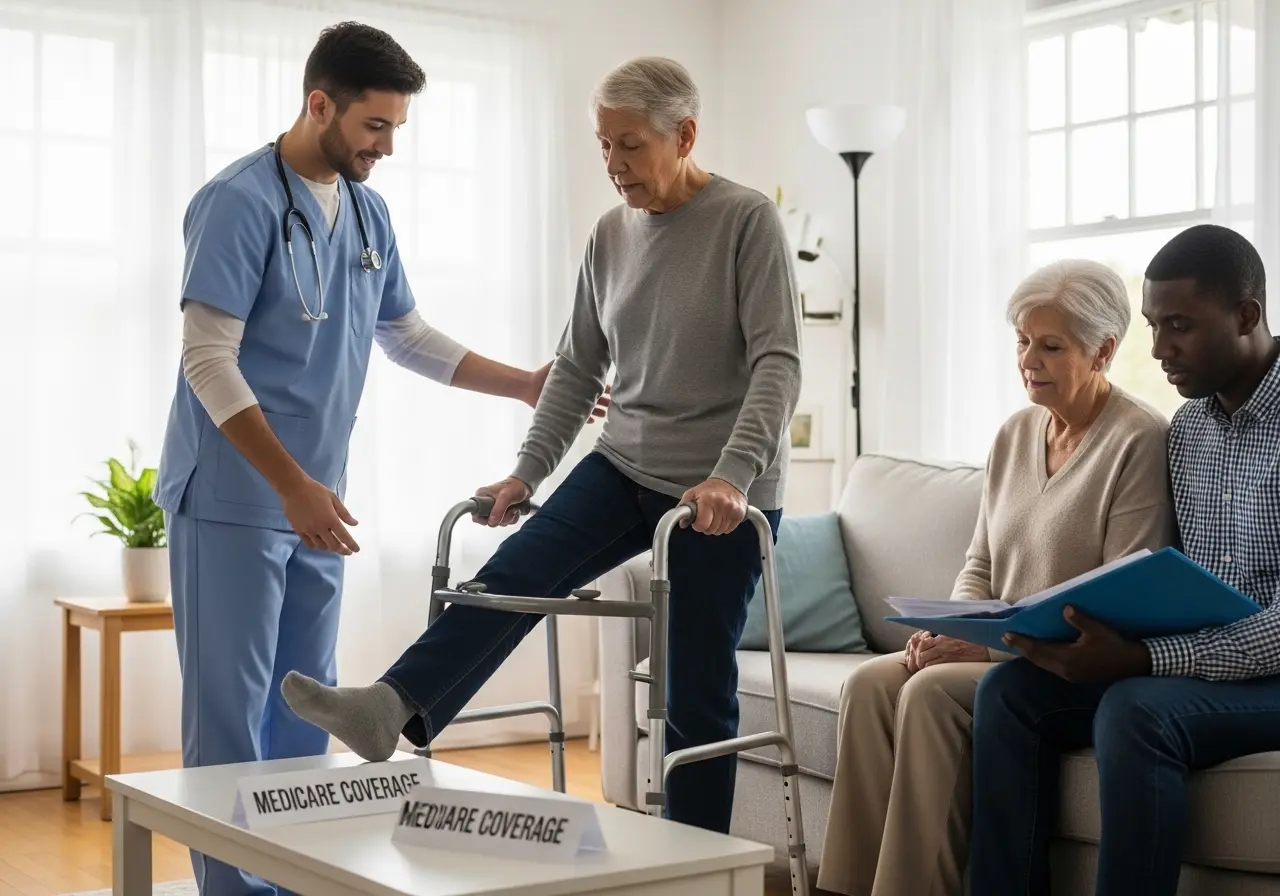
Yes, generally, if certain conditions are met. Medicare Part A covers home health services, including physical therapy, when the patient is considered homebound and the care is deemed medically necessary by a physician. The patient must have a plan of care established by a doctor, and services must be provided by a Medicare certified home health agency. There is typically no copayment for Medicare covered home health services.
Home Health Care Insurance Coverage
Home health care insurance coverage through Medicare is more limited than many families expect. It covers skilled care, meaning nursing and therapy, but it does not cover custodial care, meaning non medical assistance with bathing, dressing, and household tasks, on an ongoing basis. In home health care insurance through private policies or long term care insurance can fill this gap. If your loved one has a long term care insurance policy, review it carefully for home care benefits.
Medicaid may cover home care services for patients who meet income and asset requirements. The rules vary by state, and Illinois has specific programs available to help older adults remain at home.
Planning for these costs early, ideally before a crisis, gives families more options and avoids the financial panic that can push families toward facility care not because it is the best option, but because it seems more affordable at the moment.
Home Care Services in Illinois: Naperville, Lemont, and Surrounding Communities
For families in northeastern Illinois, access to quality home care services is genuinely good. Whether you are searching for home health care in Naperville, home care in Lemont, IL, senior home care in Lemont, IL, or elderly home care in Lemont, IL, there are established providers serving these communities with experienced staff and strong clinical support.
The communities of Will County and DuPage County, including the southwestern Chicago suburbs, have aging populations with real demand for professional home care services. Families in these areas do not have to settle for a choice between distant facilities and insufficient home support. There is a middle path that works.
Valentine Home Health Care Inc, which serves families across these Illinois communities, is an example of a provider that approaches Parkinson’s care with the kind of individualized attention these patients require. Their approach involves building relationships with patients and families over time, understanding the patient’s specific symptom pattern, and adapting care as needs evolve. That kind of continuity is particularly valuable in a disease like Parkinson’s where changes can happen gradually and the caregiver who knows the patient well is often the first to notice something significant.
When evaluating any home care provider for a Parkinson’s patient, ask specifically about their experience with neurological conditions. Ask whether their caregivers have received dementia and Parkinson’s specific training. Ask how they handle medication management, fall prevention, and coordination with the patient’s medical team. These questions will tell you quickly whether you are speaking with a provider who understands what Parkinson’s actually demands.
Additional Support: Diet, Gadgets, and Nutritional Considerations
Alongside therapy and direct care, several supportive elements can meaningfully improve quality of life for Parkinson’s patients at home.
Gadgets for Parkinson’s Patients
Technology has produced a growing number of useful tools for people living with Parkinson’s. Gadgets for Parkinson’s patients range from practical to genuinely innovative. Weighted gloves and utensils help stabilize tremor during meals. Smart medication dispensers alert patients when doses are due and can notify caregivers if a dose is missed. Voice activated devices allow patients to control lights, thermostats, and phones without fine motor demands.
Wearable devices that track movement, detect falls, or even provide light rhythmic vibration to reduce tremor are becoming increasingly available. These tools do not replace care, but they extend independence in meaningful ways.
Nutritional Support and Best Vitamin Considerations
Nutrition matters in Parkinson’s care in ways that are sometimes overlooked. Swallowing difficulties can make eating less safe and lead to reduced food intake over time. A speech therapist can assess swallowing function and recommend texture modifications or strategies to make eating safer.
Many families ask about the best vitamin for Parkinson’s patients. Vitamin D deficiency is common in older adults and particularly in those who spend less time outdoors, which is often the case as Parkinson’s progresses. Vitamin D plays a role in muscle function and bone health, both of which matter for fall prevention. However, any supplementation should be discussed with the patient’s physician and neurologist. This is not an area for general recommendations without knowing the individual patient’s health picture.
Magnesium, B vitamins, and antioxidants are also discussed in the context of neurological health, but again, a clinician familiar with the patient’s full medication list should guide any supplement decisions. Parkinson’s medications can interact with certain nutrients, so professional guidance is essential here.
Comparing Home Care vs. Care Facilities: An Honest Look
When families research their options, they often look into care homes for Parkinson’s patients as well as home care. This is the right thing to do. Every option deserves honest consideration.
When Facility Care Makes Sense
Care homes for Parkinson’s patients can be appropriate in certain situations. If the patient requires a level of medical monitoring that cannot be safely provided at home, if family caregiver burnout has reached a crisis point and additional home care cannot be arranged, or if the patient’s cognitive impairment has become severe and home management is genuinely unsafe, a memory care unit or skilled nursing facility may be the right answer.
For families searching for a care home for Parkinson’s patients near me, it is important to look specifically for facilities that have experience with movement disorders and not just dementia. Parkinson’s has specific physical care demands, particularly around safe mobility and fall prevention, that not all facilities are equipped to meet well.
Why Home Care Typically Wins on Outcomes
That said, the research evidence and the clinical experience of most Parkinson’s specialists both point in the same direction: patients maintain function longer, experience fewer complications, and report better quality of life when they remain at home with appropriate support. Home care also tends to preserve family relationships better. The family member who visits regularly to offer support is in a very different emotional position than the family member who has handed primary responsibility to an institution.
The real comparison is not between perfect home care and imperfect facility care. It is between home care with real professional support and facility care. When that professional support is in place, home care is almost always the stronger option for Parkinson’s patients who are not yet in the most advanced stages of the disease.
Questions Families Often Ask
Is home care better than assisted living for a Parkinson’s patient?
For most patients, yes, particularly in the early and middle stages of the disease. Home care provides familiar surroundings, personalized attention, and the flexibility to adapt as the disease progresses. Assisted living facilities vary widely in their Parkinson’s specific expertise. If you are considering assisted living, visit in person and ask specifically what their approach is to movement disorders, fall prevention, and medication management.
How much care does a Parkinson’s patient need?
This changes throughout the disease. Early on, a few hours of support per week may be sufficient. In mid stage Parkinson’s, daily caregiver visits and regular physical therapy sessions are common. In later stages, around the clock support may be needed. The care plan should be reassessed at least every six months, or any time there is a noticeable change in the patient’s condition.
What therapies help Parkinson’s patients the most?
Physical therapy consistently shows the strongest evidence for slowing functional decline. Occupational therapy is valuable for maintaining independence with daily tasks. Speech therapy is important for patients who develop swallowing difficulties or changes in voice strength. Some patients benefit from LSVT BIG and LSVT LOUD, specialized Parkinson’s therapy programs designed to address motor and speech symptoms respectively.
Is home care safe for Parkinson’s patients long term?
With the right support, yes. Safety at home depends on fall prevention measures, appropriate equipment, caregiver training, and regular reassessment as needs change. Home health care for Parkinson’s patients delivered by trained professionals, with attention to environmental safety and emergency planning, is a safe long term option for many patients.
Can Parkinson’s patients remain at home until the end of life?
Many do, with appropriate hospice and home health support in the later stages. Hospice care is available in the home and focuses on comfort and quality of life rather than curative treatment. For families who want their loved one to remain at home through every stage of the illness, this is often achievable with careful planning and the right care team.
How do I find reliable home care for a Parkinson’s patient in Illinois?
Start by asking the patient’s neurologist for referrals to home health agencies experienced with movement disorders. Check whether the agency is Medicare certified. Ask about staff training in Parkinson’s specific care. Speak with other families who have used the service. And look for an agency that takes time to understand the individual patient rather than offering a generic care package.
Conclusion: The Case for Home Care Is Strong
Parkinson’s disease is one of the most demanding conditions a family can navigate. It is slow moving enough that there is time to plan, but progressive enough that the plan must evolve. It affects not just the body but the whole person. And the care it requires is most effective when it is personal, consistent, and rooted in the patient’s own life.
In my experience working with patients and families through this disease, the families who fare best are the ones who build a strong care team early, make safety modifications to the home before they are urgently needed, prioritize physical therapy and regular movement, and stay connected to their loved one’s neurologist as a partner in care.
Home health care for Parkinson’s patients is not a consolation prize. It is not what families do when a facility is not available. It is, for most patients, the best environment for maintaining function, preserving dignity, and supporting quality of life across the long course of the disease.
Providers like Valentine Home Health Care Inc exist to help make this possible, supporting families in Illinois and the surrounding communities with professional, compassionate, coordinated care that is built around each patient’s unique needs and situation. If you are in the early stages of planning care for a loved one with Parkinson’s, reach out to a qualified home health provider in your area. The conversation is worth having sooner rather than later.
You do not have to figure this out alone. And your loved one does not have to leave home to receive excellent care. Read more