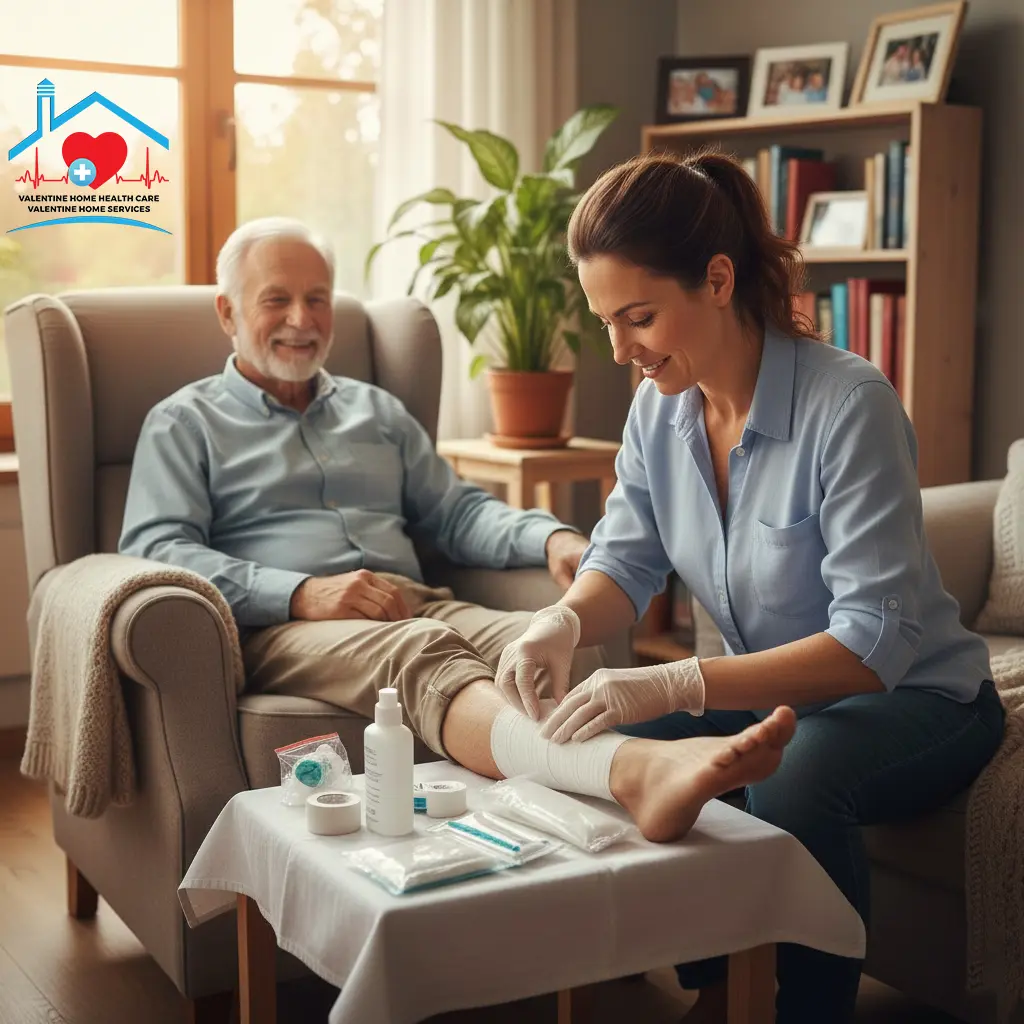
Hi there I just want to start by saying, I know this can feel a little overwhelming at first. Wound care at home for seniors it’s not always easy. And, honestly, sometimes even the simplest things can feel tricky when you’re trying to do it right. I’ve seen families struggle when they’re trying to keep a wound clean or change a dressing, especially if it’s a pressure sore or a diabetic ulcer. So let’s just take it slow, okay? I’ll walk you through it, step by step, the way I’d explain it to my own family.
Understanding Wounds in Seniors
First, it helps to know what kinds of wounds we’re talking about. Seniors often have skin that’s thinner, more fragile, and slower to heal. That means even a small cut can turn into a problem if it’s not cared for properly.
There are a few types I see most often:
- Pressure sores: These are usually on the heels, hips, or tailbone. They happen when someone stays in one position too long. I’ve noticed that even with careful turning, some seniors get them because their skin is just delicate.
- Diabetic wounds: Especially on the feet. High blood sugar slows healing, so these need extra attention. Sometimes a tiny blister can turn into something bigger if you’re not careful.
- Surgical wounds: After a procedure, the skin and tissues are healing from an incision. These can be sensitive, and sometimes the stitches or staples need checking by a nurse or doctor.
I tell families all the time: don’t panic if the wound looks a little red or swollen at first. That doesn’t always mean infection. But it does mean we need to be careful and watch closely.
Why Wound Care at Home Matters
So, why bother with proper wound care at home for seniors? Well it’s really about comfort, safety, and helping them heal faster. And I’d say just as important, it’s about emotional support.
I’ve seen seniors who feel anxious every time someone touches their wound. And families who are stressed about doing it wrong. But consistent care, gentle cleaning, and dressing changes make a huge difference.
Good wound care at home can:
- Reduce pain and discomfort
- Prevent infections
- Promote faster healing
- Keep your senior more independent
Sometimes, you’ll notice the wound looking a bit worse before it gets better. That’s normal. I always remind families that healing isn’t a straight line. It’s more like a gentle curve with ups and downs.
Preparing for Wound Care at Home
Before you even touch the wound, preparation matters. I can’t tell you how many times families forget one little thing and end up feeling flustered.
Here’s what I usually suggest:
- Supplies: Have everything ready. gloves, wound cleansers, sterile gauze, dressings, tape, and trash bags. It saves a lot of stress if it’s all within reach.
- Hygiene: Handwashing. I know it sounds obvious, but wash your hands before and after every dressing change. Sometimes families think gloves are enough but washing is key.
- Workspace: Make a clean, flat area. Good lighting helps too. I’ve had families use a small table by the bed: it works well.
And, I’d also say, keep a little notebook. Write down when you change the dressing, what it looks like, and any new signs. It helps when you talk to a doctor or home health nurse later.
Safe Wound Dressing at Home
Changing a dressing It’s one of those things that can feel awkward at first. But it gets easier. Here’s a way I explain it, like I’m showing a family member:
Wash your hands, put on gloves
Remove the old dressing slowly. Sometimes it sticks a little; that’s okay, just go gentle
Check the wound. Look for redness, drainage, or odor. You might notice that some wounds ooze more at certain times of day than normal for some chronic wounds. Clean with the solution recommended by the doctor. I usually dampen gauze and gently wipe around the wound, not scrubbing hard. Apply new dressing. Make sure it’s snug but not tight. Tape the edges if needed
Dispose of old dressing carefully. I usually double bag it before throwing it away. Families often worry they’re hurting the senior. But with gentle touch and slow movements, most seniors barely notice. And sometimes talking to them helps. I often say, we’re just giving your skin a little help today, and it calms them down.
Infection Prevention in Wound Care
This is a big one. Infection prevention in wound care is crucial. Even small infections can become serious quickly in older adults.
A few tips I always share:
- Gloves and handwashing: Wash first, then gloves, then wash again afterward
- Clean surfaces: Wipe tables or trays with disinfectant before and after
- Proper disposal: Old dressings, cotton balls, gauze, all in a sealed bag
- Observation: Look for redness, warmth, pus, or foul smell. If any show up, call the nurse
Sometimes families think antibiotics alone prevent infection. But the first line of defense is really careful handling and cleanliness. I’ve seen chronic wounds improve just with consistent, clean dressing changes.
Chronic Wound Management for Patients
Chronic wounds well, they need patience. These are wounds that take weeks or months to heal. I’ve noticed that family caregivers often feel frustrated when progress is slow. That’s totally normal.
Some key things to remember:
- Daily monitoring: Check size, color, drainage. Write it down
- Follow up care: Keep appointments with your doctor or home health nurse
- Adjustments: Sometimes dressings or positioning need changing based on healing
I’ve had a patient with a pressure sore that refused to heal for months. But with steady attention, repositioning, and daily gentle care eventually it closed. So, persistence matters.
Diabetic Wound Care at Home
Diabetic wounds need a bit more attention. High blood sugar slows healing and increases infection risk. If your senior has diabetes, check their feet every day. I can’t stress that enough.
You might notice:
- Small blisters or cuts that look minor but aren’t
- Redness around toes or heels
- Dry skin that cracks easily
Diabetic wound care services in Illinois are great resources if you’re unsure. They can provide guidance, specialized dressings, or even home visits. Sometimes families hesitate to call… but early support really helps.
Home Health Nurse Support
You don’t have to do this alone. A home health nurse for wound care near me, or home health care nurse for wound care near you they’re trained to help. I’ve worked alongside many families, and having a nurse visit even once a week can make a big difference.
They can:
- Show you dressing techniques
- Monitor the wound for infection
- Adjust care plans as needed
- Answer questions you didn’t even think to ask
I always tell families not to feel embarrassed about asking questions. No question is too small when it comes to wound care.
Best Practices for Home Wound Care
There are a few simple things I notice make healing go smoother:
- Positioning: Reposition seniors to reduce pressure. Even small shifts help
- Nutrition: Protein, vitamins, and hydration support healing
- Mobility: If your senior can move safely, gentle activity improves blood flow
These are some of the best practices for home wound care I’ve seen really help. And sometimes it’s trial and error. Each senior is different, so what works for one might need tweaking for another.
Wound Care Tips for Family Caregivers
I’ve shared these with countless families:
- Take a deep breath before you start. It calms both you and the senior
- Talk through the process. We’re just helping your skin today
- Keep supplies in one spot. Nothing worse than hunting for gauze mid change
- Note changes daily. Even small ones matter
- Don’t rush. Healing takes patience
These wound care tips for family caregivers aren’t fancy, but they make a big difference in keeping both the senior and caregiver calm and confident.
Home Wound Care Guide for Caregivers
If I were to sum up a home wound care guide for caregivers it would be about safety, monitoring, and comfort. Safety for you and your senior, monitoring for early warning signs, and comfort in every step. You might notice some wounds are stubborn. Some seniors are sensitive or anxious. That’s normal. And it’s okay to feel unsure. The goal is consistency, care, and gentle attention.
Safe Wound Care Practices at Home
Safety is key. Some practical reminders:
- Keep sharp objects away
- Use gloves and handwashing consistently
- Keep seniors comfortable and positioned to reduce pressure
- Never reuse dressings or cotton balls
Safe wound care practices at home are less about perfection and more about steady, careful attention. I’ve noticed even small daily steps prevent complications.
Wound Care at Home in USA
Home wound care in the USA can vary a bit by state; some places have home health nurses who visit daily, others weekly. Supplies may be covered differently, so it’s good to ask local agencies. But the core principles are the same: clean, gentle, consistent care, with observation for infection. A home wound care guide in the United States helps caregivers stay organized, especially if you’re new to this. And you’re not alone. There’s a whole network of nurses, resources, and guides to support you.
Home Health Care in Illinois
Well, if you’re in Illinois, there are home health care services that can really help with wound care at home. One that I’ve seen families use a lot is Valentine Home Health Care. They have nurses who come to the house, check wounds, show you how to do dressing changes, and answer all those little questions you might not even think to ask.
I’ve noticed that having someone visit even once a week can take a huge weight off your shoulders, and seniors usually feel calmer knowing a trained nurse is watching over things. Especially when a wound is slow to heal or a bit stubborn, having that support makes a big difference both for the senior and for the family doing the daily care
Common Questions Families Ask
Families often ask me the same things, so I’ll share what I usually tell them.
How often should I change the dressing?
Well, usually once a day, or as the nurse tells you. Some chronic wounds don’t need daily changes. You just want to keep an eye on it to look for drainage, redness, or any new smell. Those are the things that matter most.
What if the wound looks red or smells?
A little redness can be normal, especially at first. But if it spreads or starts to smell, call the nurse or doctor. Don’t wait. It’s better to check early than to worry later.
Can my senior bathe with the wound?
Sometimes yes, just keep it brief and gentle. Pat dry, don’t rub. I’ve seen families panic thinking they ruined the dressing, but a little water doesn’t undo healing.
How do I prevent pressure sores?
Repositioning often even small shifts help. Keep the skin clean and dry. Pillows or cushions are your friends. And don’t beat yourself up if you miss a turn once in a while. Every bit counts.
Can a home health service help me manage wound care at home?
Yes, having experienced support makes a big difference. For example, I’ve worked with families who use Valentine Home Health Care. They provide guidance, education, and regular check-ins to make sure seniors are healing safely. It’s not about selling anything, it’s about having someone knowledgeable to call when questions come up. They help families follow proper routines and spot issues early, which gives everyone peace of mind. You could say it’s like having an extra set of caring eyes at home.
Wrapping It Up
I know wound care at home for seniors can feel really overwhelming. I’ve been there, watching families feel unsure, tired, even frustrated. But with gentle hands, careful attention, and a little patience, you really can make a difference. Sometimes it looks worse before it gets better. Sometimes healing is slow. That’s okay. What matters is consistency and noticing the little changes day by day.
And remember you’re not alone. If you need a hand, a nurse can show you techniques, answer questions, or just reassure you that you’re doing it right. One step at a time, one dressing at a time, that’s how wounds heal, and that’s how your senior stays safe and comfortable at home. It’s not always easy, but you’re doing important work. And I see families succeed every day, even when it feels tough. Read more