Introduction
Many families look back and say the signs were there all along. They just did not realize what they were seeing at the time. It often starts small. A forgotten appointment. A bill left unpaid. A story told twice. These moments feel easy to excuse. Everyone forgets things sometimes. Life gets busy. Aging happens. But dementia rarely appears all at once. It moves slowly. Quietly. It blends into daily life in ways that are easy to miss, especially when you love the person and want to believe everything is fine. For families in Lemont, Illinois, this can be especially difficult.
Many seniors have lived in their homes for decades. Those homes hold memories. They represent independence and comfort. Families want to honor that. At the same time, safety and well being matter. Waiting too long to get help can lead to falls, medication mistakes, or frightening moments that could have been avoided. This guide is written for families who feel that quiet worry in their chest. The ones wondering if something has changed. The ones unsure what step comes next. It explains the warning signs that may mean your loved one needs dementia home care, and why early support can make life calmer for everyone involved.
Understanding Dementia and Daily Living Challenges
Dementia is not one disease. It is a word used to describe changes in the brain that affect memory, thinking, and judgment. Alzheimer’s disease is the most common type, but there are others. Dementia does not just affect memory. It changes how a person understands time, place, and routine. Tasks that once felt automatic can become confusing.Daily life slowly becomes harder.
A person may forget how to follow a recipe they have made for years. They may struggle to balance a checkbook. They may lose track of what day it is. These changes happen because the brain is no longer processing information the same way. It is not stubbornness. It is not a lack of effort. Understanding this helps families respond with patience rather than frustration. It also helps families recognize when extra support is needed.
Why Dementia Home Care Matters for Families in Lemont, IL
Home matters. Especially for someone living with dementia. Familiar rooms, familiar streets, familiar routines all help reduce confusion. Even small changes can feel overwhelming when memory and thinking are affected. Dementia home care allows seniors to stay in the place they know best. It brings help into the home instead of moving the person away from everything familiar. For families in Lemont, this often means peace of mind. Knowing someone is there to help with daily needs. Knowing safety risks are being watched. Knowing your loved one is not alone during the day. Dementia home care is not about taking over someone’s life. It is about supporting it.
Early Warning Signs That Should Not Be Ignored
Early warning signs are often subtle. They do not always look serious at first.
- You might notice your loved one asking the same question several times in a short period. They may forget conversations that just happened.
- You might notice unopened mail piling up. Or bills that were always paid on time suddenly being missed.
- They may stop cooking meals they once enjoyed. Or rely heavily on snacks instead of proper meals.
- They may seem less confident. Less willing to go out. Less interested in hobbies they loved.
- One or two of these moments may not mean much. But when they become patterns, it is time to pay attention.
Behavioral and Emotional Changes
Dementia often changes how a person reacts emotionally.
- Your loved one may become more irritable. Small problems may feel huge. A simple change in plans may lead to anger or tears.
- Some people become fearful. They worry about things that never bothered them before. They may feel unsafe even at home.
- Others pull away. They stop calling friends. They avoid social gatherings. They seem quieter and less engaged.
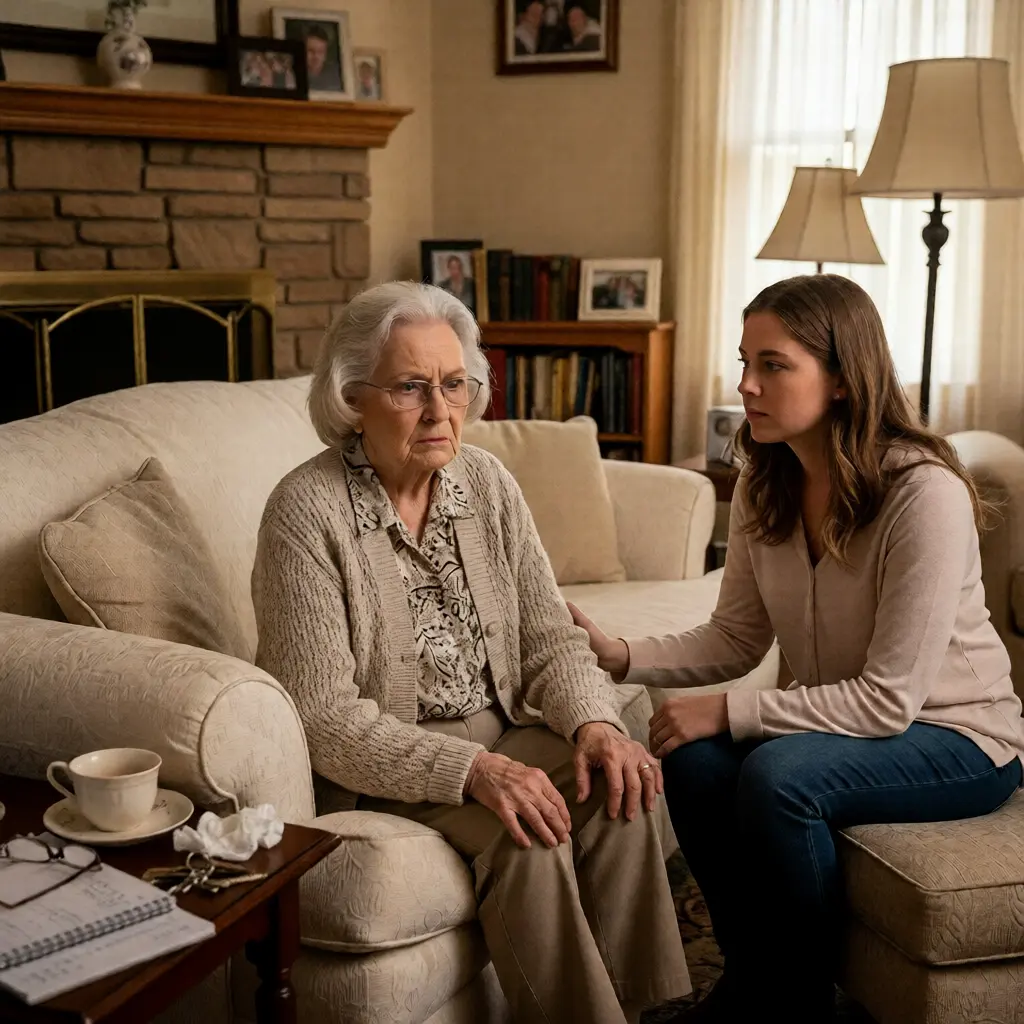
- These changes can be painful for families. It may feel like you are losing the person you knew.
But these behaviors are symptoms of dementia, not personal choices. Gentle support and understanding can help ease emotional distress.
Memory Loss That Affects Safety
When memory loss begins to affect safety, it becomes a serious concern.
Your loved one may forget to turn off the stove. They may leave doors unlocked. They may forget where they are going while driving. Medication mistakes are very common. Pills may be skipped or taken twice. This can cause serious health problems. Getting lost is another risk. A familiar walk can turn into hours of confusion. Even familiar neighborhoods can suddenly feel unfamiliar. These moments are frightening for families. They are also signs that supervision may be needed.
Difficulty With Personal Care and Hygiene
Personal care changes are often difficult to talk about, but they are important signs.
Your loved one may bathe less often. Clothes may be worn for several days. Hair and grooming may be neglected. Eating habits may change. Meals may be skipped. Food may spoil in the refrigerator. Weight changes may occur. Dementia can make these tasks feel confusing. Your loved one may not remember the steps or may feel overwhelmed. Caregivers trained in dementia support know how to help in ways that protect dignity and reduce embarrassment.
Changes in Sleep Patterns and Daily Routine
Sleep problems are very common in dementia. Your loved one may sleep during the day and stay awake at night. They may wake up confused and restless. Some people wander at night. Others become anxious as evening approaches. Lack of sleep affects mood, safety, and health. It also increases stress for family caregivers. A steady daily routine with gentle guidance can help improve sleep patterns and reduce confusion.
Increased Caregiver Stress on Family Members
Family caregivers often put their own needs last.
- They stay up late. They worry constantly. They try to manage work, family, and caregiving all at once.
- Over time, exhaustion sets in. Emotions run high. Guilt, frustration, sadness, and fear can feel overwhelming.
- This stress does not mean you are failing. Dementia care is demanding. It is not meant to be handled alone.
Support at home helps protect both the person with dementia and the family caring for them.
When Dementia Home Care Becomes the Right Choice
There is no single moment that feels right for every family.
But when safety becomes a concern, when daily tasks are no longer manageable, or when caregiver stress becomes overwhelming, support is needed. Dementia home care Lemont IL allows families to bring help into the home without disrupting familiar surroundings. Care can start with just a few hours and increase as needs change. Many families say they wish they had started sooner. Early support often prevents emergencies and brings relief.
What Dementia Home Care Support Looks Like
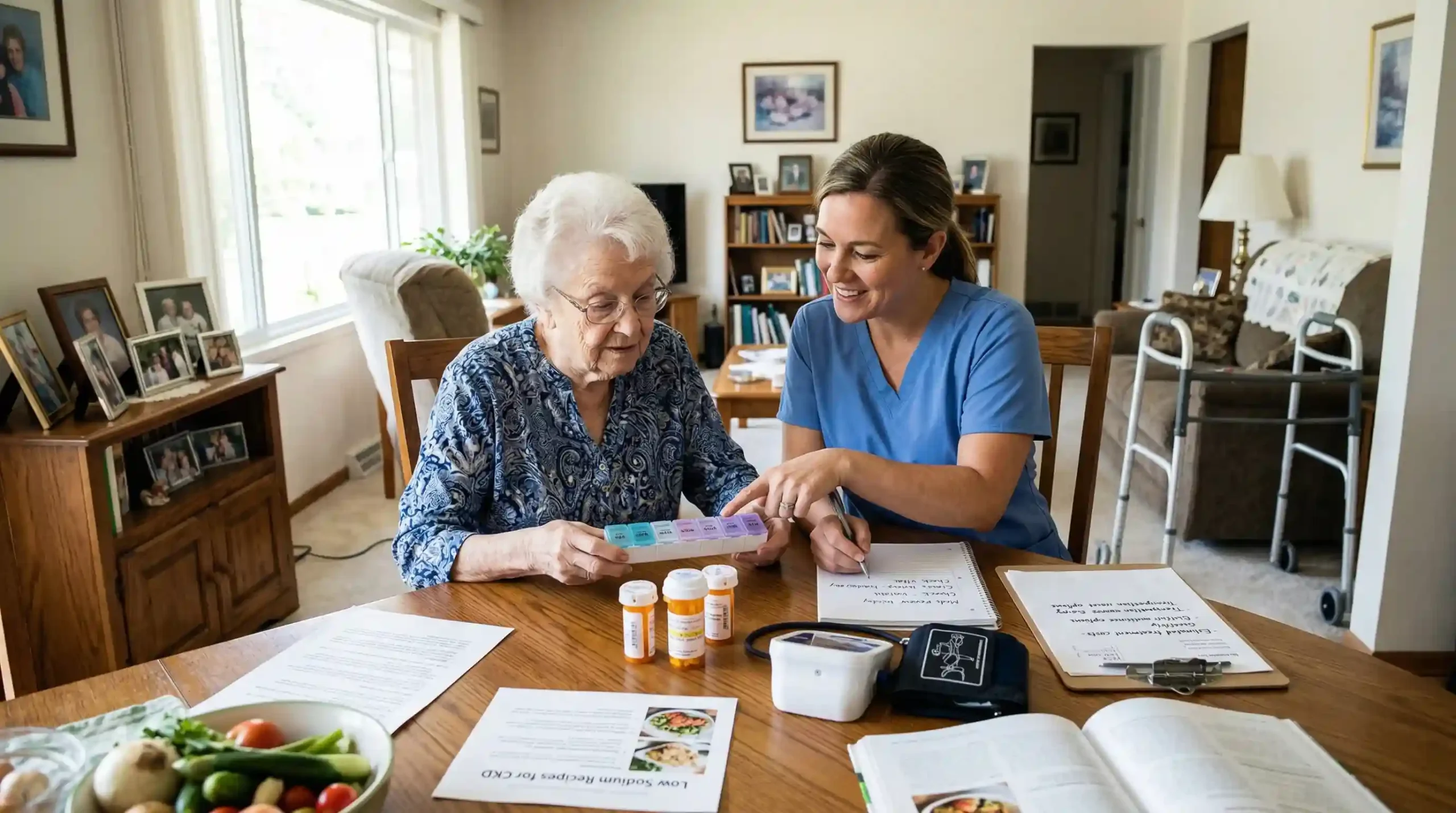
Dementia home care focuses on everyday life. Caregivers help with bathing, dressing, and meals. They provide medication reminders. They offer companionship and conversation. They also provide supervision to reduce safety risks. They watch for wandering. They help prevent falls. Most importantly, they bring calm structure to the day. Familiar routines help reduce anxiety and confusion. Care is given with patience and respect.
The Role of Personalized Home Care Services
No two people experience dementia the same way. Some struggle more with memory. Others with mood or sleep. Needs change over time. Personalized home care services adapt to these changes. Care plans are built around the individual, not a checklist. This flexibility allows care to grow as dementia progresses, without sudden changes or disruptions. Families feel more at ease knowing care fits their loved one’s unique needs.
How Senior Home Care in Lemont, IL Supports Aging in Place
Many seniors want to stay in their own homes for as long as possible. Senior home care in Lemont IL supports this goal by bringing help directly to the home. Caregivers support daily routines, safety, and comfort. Familiar surroundings help reduce confusion. Families can focus on relationships instead of constant caregiving tasks. Aging in place becomes safer and more manageable.
Valentine Home Health Care
Valentine Home Health Care is one local provider that supports seniors and families in the Lemont area. Their approach focuses on understanding each person’s needs, routines, and challenges. They work with families to provide steady, thoughtful support that respects independence while addressing safety concerns. By offering home health care services in Lemont, they help seniors remain in familiar surroundings while receiving care that adapts as needs change.
Choosing Dementia Home Health Care in IL
Choosing dementia care can feel overwhelming. Start by looking for providers with experience supporting people with memory loss. Ask about caregiver training and consistency. Ask how care plans are created and adjusted. Ask how they handle confusion, anxiety, or behavior changes. Dementia home health care in IL should focus on safety, dignity, and trust. Families should feel listened to and supported throughout the process.
Questions Families Commonly Ask
How do I know it is time for home care?
If safety or daily life is becoming difficult, it may be time.
Will my loved one resist help?
Some do at first. Many adjust with gentle introductions.
Can care change over time?
Yes. Care plans adapt as needs grow.
Does home care replace family involvement?
No. It supports families and eases stress.
Conclusion
Noticing dementia warning signs is hard. It means facing change. It means making decisions you never expected to make. But getting support does not mean giving up. It means protecting safety, dignity, and comfort. Families in Lemont do not have to face this journey alone. With the right help, your loved one can stay at home, feel supported, and live with greater calm and stability. Taking the next step may feel scary. But it can also bring relief, reassurance, and better days ahead. Read more