Introduction
As parents age, it can be hard to know when to step in and offer more help at home. Noticing the early signs that they need support is important. Acting early can prevent accidents, health problems, and stress, while helping your parents stay safe, comfortable, and independent.
Many families want clear, practical guidance. They want to know which changes are normal, which could signal a risk, and how to provide help without taking away their parent’s independence. This guide will help you recognize the signs your parents may need in home care so you can make thoughtful decisions that protect their health and well being.
Why Families Miss Early Warning Signs
Many families hesitate to recognize the need for home support for aging parents. Several common factors contribute to this delay.
Denial
It is natural to hope your parents can continue living independently. Families often dismiss small warning signs, convincing themselves that minor forgetfulness or fatigue is just part of normal aging. Denial can delay needed care, sometimes leading to preventable accidents or health declines.
Emotional Hesitation
Stepping in often carries emotional weight. Children may feel guilty or worry about offending their parents. They may also fear that bringing in help signals that their parent is losing independence or that they are not caring enough themselves.
Lack of Knowledge About What Help at Home Includes
Many families do not fully understand what in home care for parents can provide. In home care is not just about assistance with daily living tasks. It includes companionship, safety monitoring, medication management, transportation, and even support for chronic illnesses. Without this knowledge, families may delay seeking help until a crisis occurs.
Top Signs Your Parent Needs In Home Care
Recognizing early signs a parent needs assistance can prevent accidents and promote better health. Here are the most common indications that in home care may be necessary.
Declining Personal Hygiene
A noticeable change in personal hygiene is often one of the first signs. This may include:
- Skipping showers or bathing less frequently
- Wearing soiled or mismatched clothing
- Neglecting dental care
Poor hygiene can lead to infections, skin issues, and a decline in self esteem. It may also indicate underlying cognitive or physical challenges.
Forgetting Daily Tasks
If your parent frequently forgets routine activities, it may signal the need for support. This could involve:
- Forgetting to eat meals
- Failing to turn off appliances or lock doors
- Skipping important steps in personal care
These lapses increase the risk of accidents and health issues and can be an early sign of memory or cognitive problems.
Unexplained Weight Loss
Significant or rapid weight loss can be concerning, especially if your parent is not dieting. Causes may include:
- Difficulty preparing meals
- Reduced appetite or forgetfulness around eating
- Medical conditions such as diabetes, thyroid disorders, or digestive issues
In home caregivers can help ensure proper nutrition through meal planning and preparation, keeping seniors healthy and energized.
Increased Confusion or Memory Issues
Confusion, disorientation, or worsening memory can indicate cognitive decline. Families should watch for:
- Repeating questions or stories
- Getting lost in familiar places
- Trouble recognizing familiar faces or objects
Early intervention can slow decline and provide safety, especially in homes that are not fully adapted for seniors.
House Becoming Messy or Unsafe
A sudden inability to maintain the home may be a sign of declining function. Common indicators include:
- Clutter or mess in previously organized areas
- Dirty dishes piling up
- Unsafe conditions like loose rugs, blocked walkways, or poor lighting
In home care for parents can help maintain a safe living environment, reducing the risk of falls and injuries.
Mobility Challenges or Fall Risks
Physical changes often prompt the need for home support. Signs include:
- Trouble standing up from chairs or getting out of bed
- Using walls or furniture for balance
- Experiencing falls or near falls
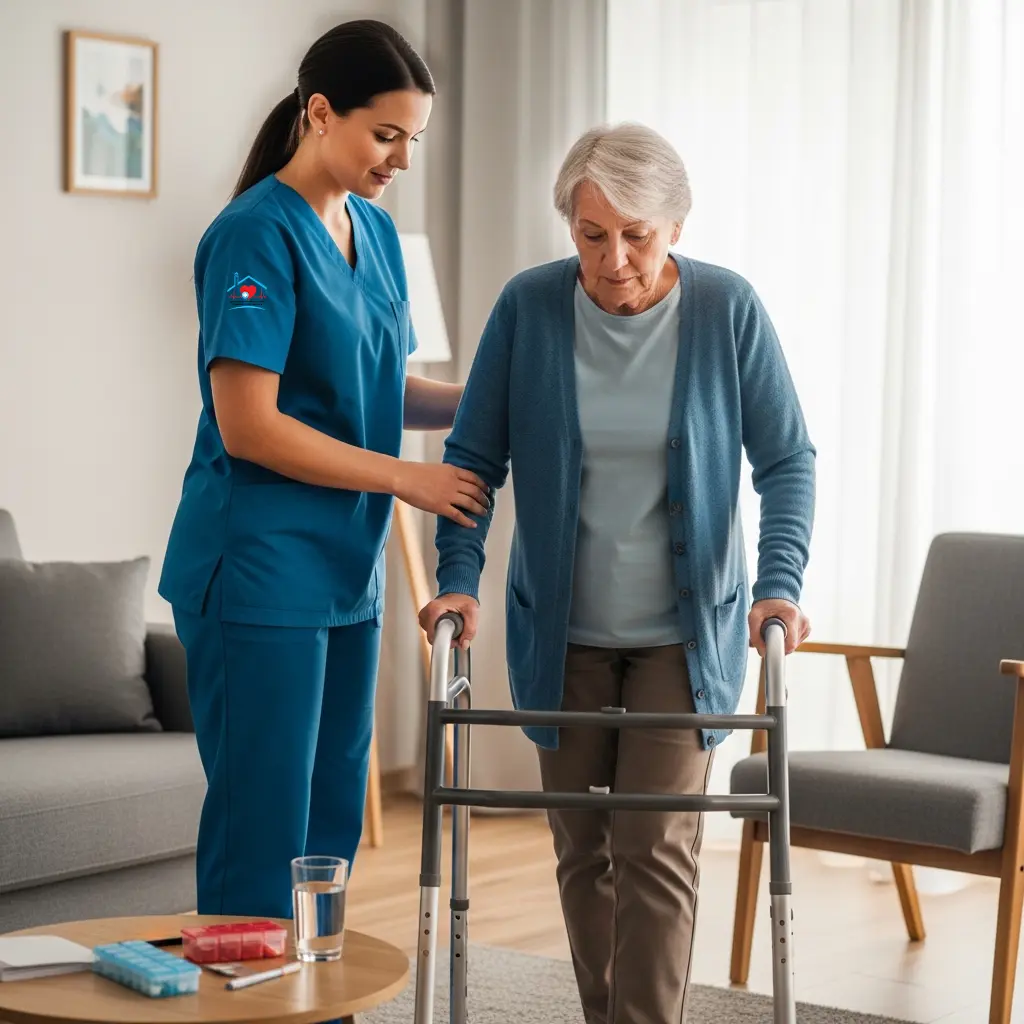
Caregivers can assist with mobility, provide fall prevention strategies, and monitor for changes that require medical attention.
Medication Mismanagement
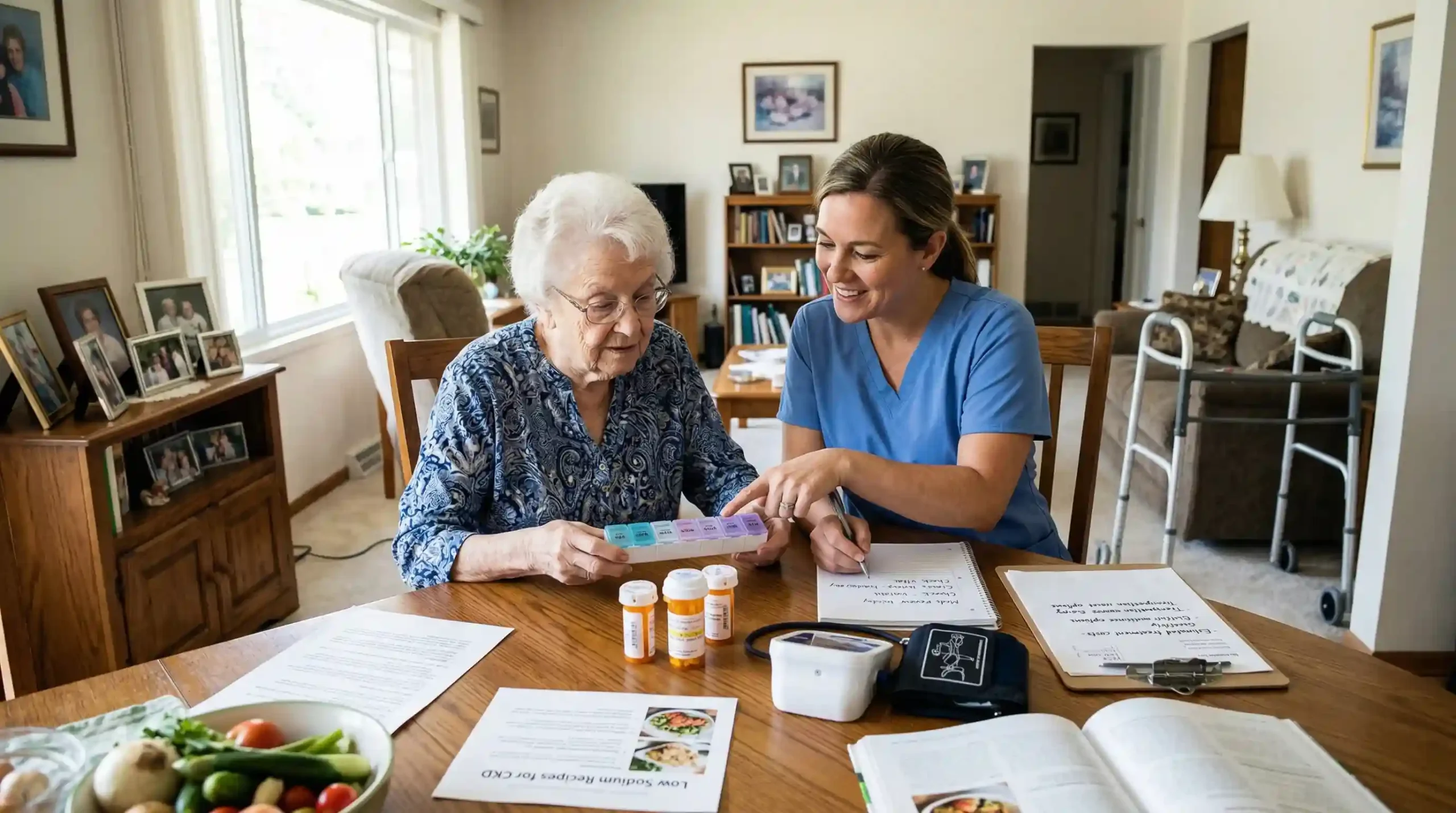
Managing multiple prescriptions can be challenging. Warning signs include:
- Skipping doses or taking medication at the wrong times
- Confusion over pills or dosages
- Running out of prescriptions prematurely
Medication errors can have serious consequences, particularly for seniors with chronic conditions. In home care ensures medication is taken correctly.
Mood Changes, Loneliness, or Isolation
Emotional health is closely tied to physical well being. Families may notice:
- Increased irritability or sadness
- Withdrawal from social interactions
- Anxiety or signs of depression
Loneliness can exacerbate cognitive decline and physical health problems. Companionship from caregivers helps seniors stay engaged and emotionally supported.
Withdrawing from Favorite Activities
A decline in participation in hobbies or routines may indicate difficulty managing day to day life. Signs include:
- Stopping involvement in social clubs or religious groups
- Giving up hobbies like gardening, reading, or walking
- Showing less interest in family events
Encouraging continued engagement is a key benefit of home support for aging parents.
Trouble Managing Appointments or Bills
Difficulty handling finances or appointments is a practical warning sign. Indicators include:
- Missing medical appointments
- Overdue bills or unpaid notices
- Confusion over schedules
In home caregivers can help seniors stay organized, ensuring medical needs and financial responsibilities are maintained.
How These Signs Affect Health & Safety
Ignoring these signs can have serious consequences for both health and safety.
Risk of Falls
Mobility issues, clutter, and poor lighting significantly increase the likelihood of falls. Falls are a leading cause of injury in seniors and can result in fractures, hospitalization, or long term loss of independence.
Delayed Recovery
When seniors struggle to perform daily activities, minor illnesses or injuries can lead to longer recovery times. In home care can provide support that allows quicker recuperation and prevents complications.
Emotional Decline
Isolation, confusion, and loss of routine contribute to anxiety, depression, and reduced cognitive function. Emotional health is closely linked to physical health, so addressing these issues early is critical.
Poor Nutrition
Neglecting meals or losing interest in eating can lead to malnutrition, vitamin deficiencies, and weakened immunity. Caregivers can ensure meals are balanced, appetizing, and properly timed.
Chronic Illness Worsening
Chronic conditions like diabetes, hypertension, and heart disease require consistent care and monitoring. Missed medications, poor nutrition, or stress can worsen these conditions. In home care ensures daily management and early intervention when problems arise.
How In Home Care Supports Seniors
In home care allows seniors to remain safe, comfortable, and independent while receiving the help they need. Services often include:
Daily Living Support
Caregivers assist with tasks such as bathing, dressing, grooming, and mobility, preserving dignity while preventing accidents.
Companionship
Regular social interaction combats loneliness, improves mood, and encourages engagement in hobbies and activities.
Medication Reminders
Caregivers monitor prescriptions, ensure doses are taken on time, and communicate with healthcare providers about any concerns.
Meal Preparation
In home care ensures balanced, nutritious meals are available, supporting overall health and preventing malnutrition.
Safety Supervision
Caregivers identify hazards, monitor for falls, and ensure seniors move safely within their homes. Safety checks can also include emergency planning and quick response measures.
Transportation Help
In home caregivers provide assistance for appointments, errands, and social outings, helping seniors stay connected to their community and maintain independence.
When Families Should Consider Elderly Home Care in Lemont, IL
Certain situations clearly indicate the need for professional assistance. Families in Lemont, IL often notice these triggers:
- Repeated falls or near falls
- Difficulty performing daily living tasks
- Worsening memory or confusion
- Declining hygiene or nutrition
- Emotional withdrawal or signs of depression
Seeking elderly home care in Lemont, IL becomes essential when these challenges impact safety or quality of life. Early support allows seniors to maintain independence while receiving the care they need.
Emotional Challenges Families Face When Making the Decision
Deciding on in home care is often emotionally complex.
Guilt
Many children worry they are abandoning their parents or failing to provide enough care themselves. Understanding that professional help supports family care, rather than replaces it, can ease guilt.
Worry
Families often fear that their parents will resist assistance or feel embarrassed. Compassionate communication and gradual transitions can reduce anxiety for everyone involved.
Fear of Making Parents Feel Dependent
Parents may fear losing autonomy. Emphasizing that in home care allows them to remain in their own home safely can help them feel empowered.
Approaching these challenges with patience, empathy, and transparency builds trust and makes the process smoother.
How to Talk to Your Parent About In Home Care
Open, respectful communication is key. Here are strategies to help:
- Choose the right time: Avoid stressful moments or emergencies. Pick a calm, private setting.
- Use empathy: Acknowledge feelings and concerns before suggesting solutions.
- Focus on independence: Explain that in home care helps maintain freedom, not take it away.
- Provide options: Share the range of services available, allowing your parents to feel involved in decisions.
- Start small: Begin with limited support or specific tasks, gradually expanding as comfort grows.
Reassuring your parents that care is about safety, comfort, and enjoyment of daily life makes the conversation easier for everyone.
Understanding Local Resources
Families in Lemont often look for guidance when they start noticing changes in an aging parent’s routine. Valentine Home Health Care is one of the local sources people turn to for support when exploring the best care home health services. Their team helps families understand what type of assistance may fit their parent’s needs so the senior can remain safe and supported at home. They offer knowledgeable staff who explain options calmly and clearly, helping families feel confident in their choices.
Common Questions Families Ask (FAQ)
What is the right age to consider in home care?
There is no specific age. Care is based on functional abilities, health conditions, and safety risks rather than chronological age.
How do I know if it’s time to step in?
Notice changes in daily routines, memory, hygiene, mobility, or nutrition. Multiple signs together often indicate the need for assistance.
What services do in home caregivers provide?
Services can include personal care, meal preparation, medication reminders, companionship, transportation, and safety monitoring.
Is in home care safe for seniors with memory issues?
Yes. Caregivers are trained to support seniors with cognitive decline, ensuring safety, routine, and comfort.
How much independence will my parents keep?
Care is tailored to each senior. The goal is to provide help only where needed, preserving as much independence as possible.
Can in home care prevent falls?
Yes. Caregivers monitor mobility, identify hazards, and provide support to reduce the risk of accidents.
How often can care be provided?
Care can range from a few hours a week to 24/7 support, depending on the senior’s needs.
Will in home care help with emotional support?
Absolutely. Companionship and social engagement are key components of home care, improving mood and reducing isolation.
Conclusion
Knowing the signs your parent needs in home care allows families to act thoughtfully, supporting health, safety, and independence. Paying attention to personal hygiene, daily routines, memory, mobility, nutrition, and emotional well being helps prevent accidents and health decline.
In home care offers practical support, companionship, and reassurance, allowing seniors to remain in the comfort of their own homes. Families who notice early signs and explore available services can provide their loved ones with a safe, nurturing environment while maintaining dignity and autonomy.
A calm, informed approach ensures that seniors continue to live fulfilling lives at home, supported by family and skilled professionals. Recognizing the need early is not a sign of weakness, it is an act of love and care that safeguards their future well being.