Physical therapy rehabilitation exercises play one of the most important roles in helping people recover from pain, injury, surgery, and mobility challenges. Whether someone is healing after an accident, managing a chronic condition, or trying to regain independence after a long period of limited movement, exercise based rehabilitation can make a life changing difference. This guide explains what physical therapy rehabilitation is, why these exercises matter, and how they support strength, mobility, balance, pain relief, and long term function. The goal is to help readers understand how therapeutic exercises work, what to expect, and why proper guidance from a trained physical therapist is essential.
What Physical Therapy Rehabilitation Is
Physical therapy rehabilitation is a structured, evidence based approach that uses therapeutic exercises, mobility training, manual techniques, and education to restore movement and function. These exercises are customized to each patient based on their condition, goals, age, and physical limitations.

A licensed physical therapist designs and guides this process by:
- Evaluating the patient’s mobility and strength
- Identifying movement limitations and sources of pain
- Creating a safe, personalized rehabilitation plan
- Teaching exercises that improve function and reduce symptoms
- Preventing further injury through proper movement training
Rehabilitation therapy is not just about exercise it is about rebuilding confidence in movement, improving daily function, and restoring quality of life.

Why Rehabilitation Exercises Matter
Rehabilitation exercises serve as the foundation of recovery because they help the body heal and adapt in ways that medication or rest alone cannot. Every movement performed during physical therapy has a specific purpose, such as:
- Increasing flexibility and range of motion
- Improving joint stability
- Strengthening weak muscle groups
- Reducing discomfort through targeted pain management exercises
- Training the body to move safely and efficiently
Without these exercises, recovery becomes slower, mobility remains limited, and the risk of re injury increases. Rehabilitation therapy promotes long term healing by retraining the body to function properly.
How Physical Therapy Helps With Pain Relief and Mobility
Many people seek physical therapy because of pain whether related to injury, surgery, arthritis, posture problems, or chronic conditions. Exercise therapy helps relieve pain through several mechanisms:
1. Reducing Muscle Tension
Gentle stretching and mobility training help relax tight muscles, reduce stiffness, and increase circulation.
2. Improving Joint Alignment
When muscles are weak or imbalanced, joints move incorrectly and cause pain. Strengthening exercises help stabilize joints for smoother, pain free movement.
3. Re educating the Nervous System
Pain often alters how we move. Physical therapists use specialized exercises to correct movement patterns and reduce sensitivity in painful areas.
4. Increasing Blood Flow
Movement improves circulation, helping damaged tissues heal faster.
5. Rebuilding Strength
Stronger muscles support the body better, reducing strain on joints, ligaments, and tendons.
Therapeutic exercises not only ease pain but also help prevent the pain from returning by addressing its root cause.
Types of Physical Therapy Rehabilitation Exercises
Physical therapy rehabilitation includes a wide range of exercises, each selected based on the patient’s needs. Below are some of the most common and effective types of exercises used in practice.
1. Stretching and Flexibility Exercises
Stretching exercises help lengthen tight muscles, ease stiffness, and restore normal joint motion. These exercises are essential for conditions such as back pain, neck pain, shoulder injuries, or post surgery stiffness.
Common stretching techniques include:
- Static stretching: holding a gentle stretch for 20 to 30 seconds
- Dynamic stretching: controlled, repetitive movements
- Passive stretching: therapist assisted stretching
- PNF stretching: contract and relax methods to improve flexibility
Stretching is often the first step of rehabilitation because it prepares the body for strengthening and mobility work.
2. Strengthening Exercises
Strengthening exercises help rebuild weak muscles, improve joint support, and enhance overall body stability. Many people experience weakness after injury, surgery, aging, or long periods of inactivity.
Physical therapists use strengthening exercises such as:
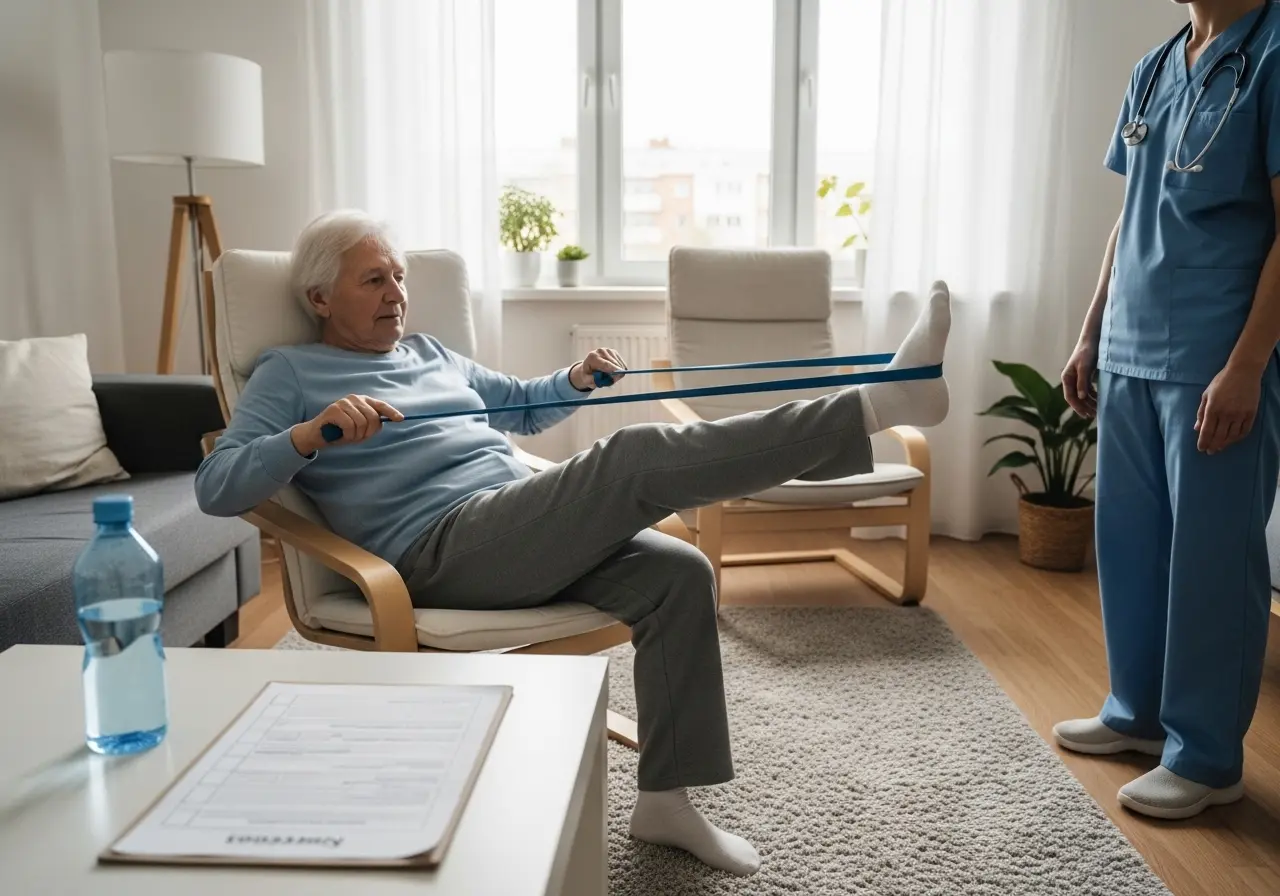
- Resistance band workouts
- Bodyweight exercises like squats and step ups
- Core strengthening routines for back and abdominal muscles
- Weight bearing exercises
- Hip and leg strengthening for mobility and balance
- Upper-body strengthening for shoulder, elbow, and wrist recovery
These strengthening exercises are essential for long term stability, pain reduction, and a return to daily activities.
3. Range of Motion Exercises
Range of motion exercises focus on improving how far a joint can move.
They are especially important after:
- Joint replacement surgery
- Stroke
- Long term immobilization
- Injury or inflammation
These exercises may include:
- Gentle arm raises
- Shoulder circles
- Knee bends
- Passive motion techniques guided by a therapist
Restoring range of motion early on helps prevent long term stiffness and improves daily function.
4. Balance and Coordination Training
Balance and coordination training helps prevent falls, stabilize the body, and improve confidence during movement.
This training is crucial for:
- Physical therapy for seniors
- Post surgery rehabilitation
- People with neurological conditions
- Individuals recovering from ankle, knee, or hip injuries
Common techniques include:
- Standing on one leg
- Step training
- Stability ball exercises
- Foam pad balance work
- Gait (walking) training
Improving balance reduces fall risk and supports safer movement at home and in the community.
5. Functional Movement Training
Functional movement training focuses on real life activities such as:
- Getting in and out of bed
- Walking up stairs
- Lifting objects safely
- Standing from a seated position
- Reaching, bending, and turning
These exercises prepare patients for daily living tasks and help them regain independence.
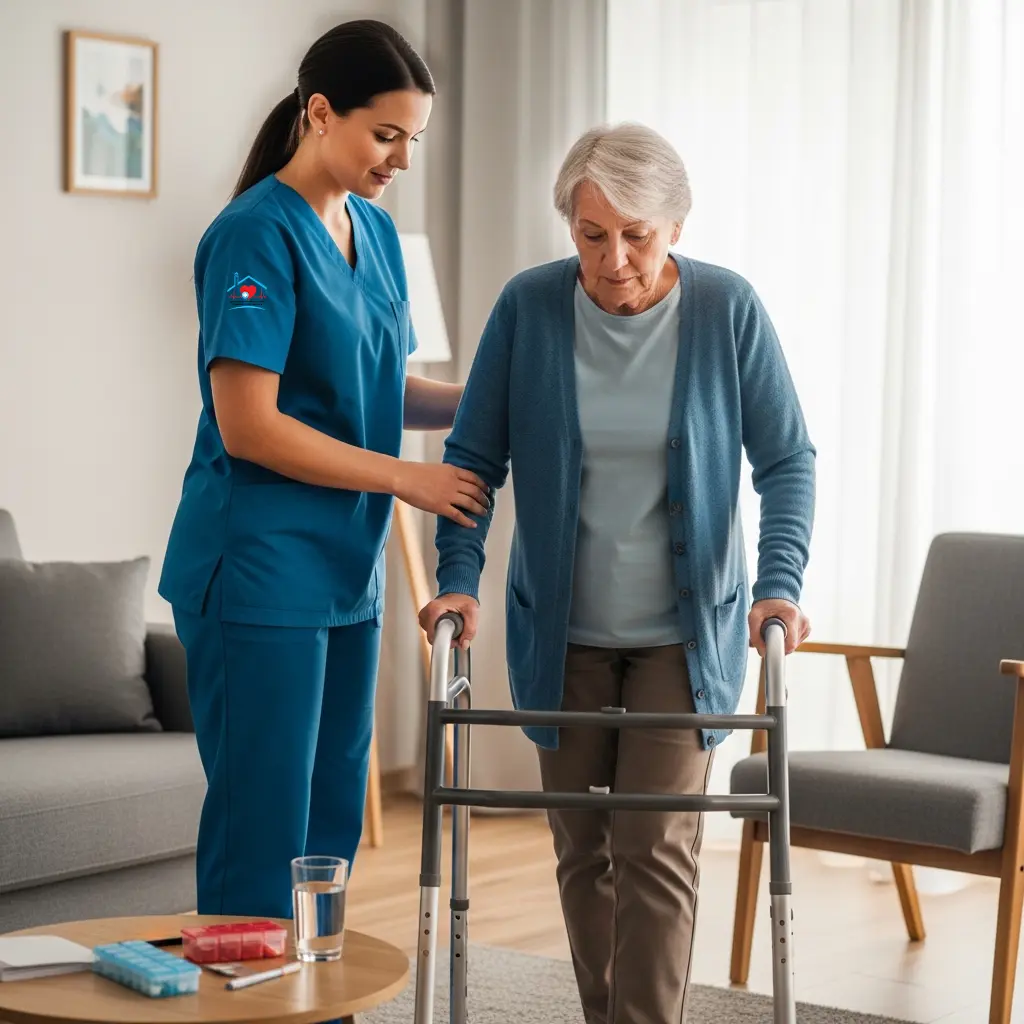
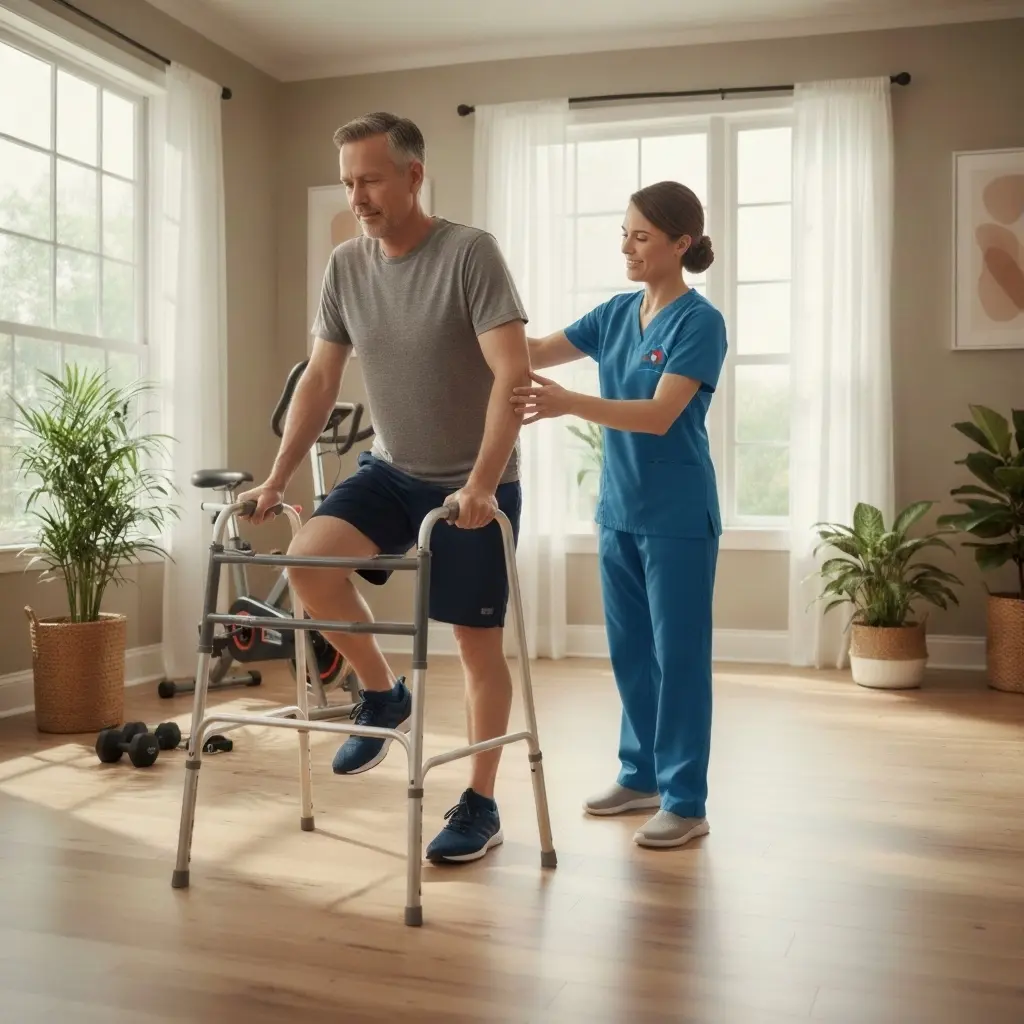
6. Mobility and Gait Training
- Mobility training teaches patients how to walk safely, use assistive devices, and improve stride length, speed, and stability. This is extremely helpful for:
- Stroke survivors
- Those recovering from hip or knee replacements
- People with chronic mobility challenges
A physical therapist guides proper walking form to prevent strain and improve efficiency.
Physical Therapy for Seniors
Seniors often face unique mobility challenges due to aging, chronic conditions, arthritis, and decreased muscle strength. Physical therapy for seniors focuses on:
- Improving balance to prevent falls
- Increasing joint flexibility
- Strengthening muscles for everyday activities
- Pain management exercises for arthritis or stiff joints
- Gentle mobility routines to support independence
For many older adults, home physical therapy is especially beneficial because it allows them to practice exercises in a comfortable and familiar environment.
Physical Therapy for Injury Recovery
Injury recovery is one of the most common reasons people seek exercise therapy. Conditions that benefit from therapist guided rehabilitation include:
- Sports injuries
- Sprains, strains, and fractures
- Tendon and ligament injuries
- Back and neck injuries
- Shoulder or rotator cuff problems
- Post surgery rehab
Recovery exercises help reduce swelling, restore movement, rebuild strength, and prevent future injuries.

Benefits of Home Based Physical Therapy
Home physical therapy or in home physical therapy is becoming more popular because it brings professional rehabilitation directly to the patient’s home. This option offers several benefits:
1. Convenience and comfort
Patients practice exercises in the same space where they move daily, improving real world function.
2. Reduced risk of falls
No travel or clinic transfers, especially for seniors or people with mobility challenges.
3. Personalized care
Therapists can assess home layout and suggest modifications, such as safety equipment or movement strategies.
4. Improved consistency
Patients are more likely to complete their therapy plan when sessions are easy to access.
5. Family involvement
Loved ones can participate and learn how to assist safely.
Home based rehabilitation therapy supports long erm progress by making physical therapy easier and more accessible.
How Physical Therapy Exercises Improve Long Term Independence
The true goal of rehabilitation therapy is independence the ability to move, function, and participate in daily life with confidence.
Physical therapy exercises support long term independence by:
- Strengthening the muscles that stabilize the body
- Improving coordination and balance to reduce fall risk
- Restoring the ability to walk safely
- Increasing flexibility for comfortable movement
- Reducing chronic pain that limits activity
- Teaching proper body mechanics to prevent re injury
Over time, these benefits help patients return to work, enjoy hobbies, and live fuller, more active lives.
When to Seek Guidance From a Physical Therapist
Anyone experiencing pain, stiffness, weakness, or difficulty performing daily tasks can benefit from professional guidance. You should consult a physical therapist if you:
- Have ongoing muscle or joint pain
- Recently had surgery
- Suffered an injury
- Experience balance problems or frequent falls
- Have difficulty walking or standing
- Feel stiffness or limited movement
- Want to prevent mobility decline
- Need support managing a chronic condition
Early intervention often leads to faster and more effective recovery.
Valentine Home Health Care: Supporting Patients With Personalized Rehabilitation
Valentine Home Health Care provides compassionate home health care services designed to help patients recover safely and comfortably at home. Their approach to in home physical therapy rehabilitation focuses on personalized care, therapist guided exercises, and one on one support. The team works closely with each patient to improve mobility, build strength, and restore independence in a familiar environment. By combining professional guidance with a patient centered mindset, Valentine Home Health Care helps individuals regain confidence, enhance safety, and achieve a better quality of life through customized rehabilitation exercises.
Conclusion
Physical therapy rehabilitation exercises are one of the most powerful tools for restoring movement, reducing pain, and rebuilding confidence after injury, surgery, illness, or age related decline. From stretching and strengthening to balance training and functional movement exercises, each part of a rehabilitation plan plays a specific role in helping the body move better. With the guidance of a skilled physical therapist, patients can achieve long term progress, regain independence, and improve their everyday function. Whether therapy is done in a clinic or at home, the goal remains the same to help individuals return to the activities they enjoy and live a healthier, more active life. If you or a loved one is experiencing pain, mobility challenges, or difficulty performing daily activities, seeking therapist guided rehabilitation can be an essential step toward healing and long term well being.