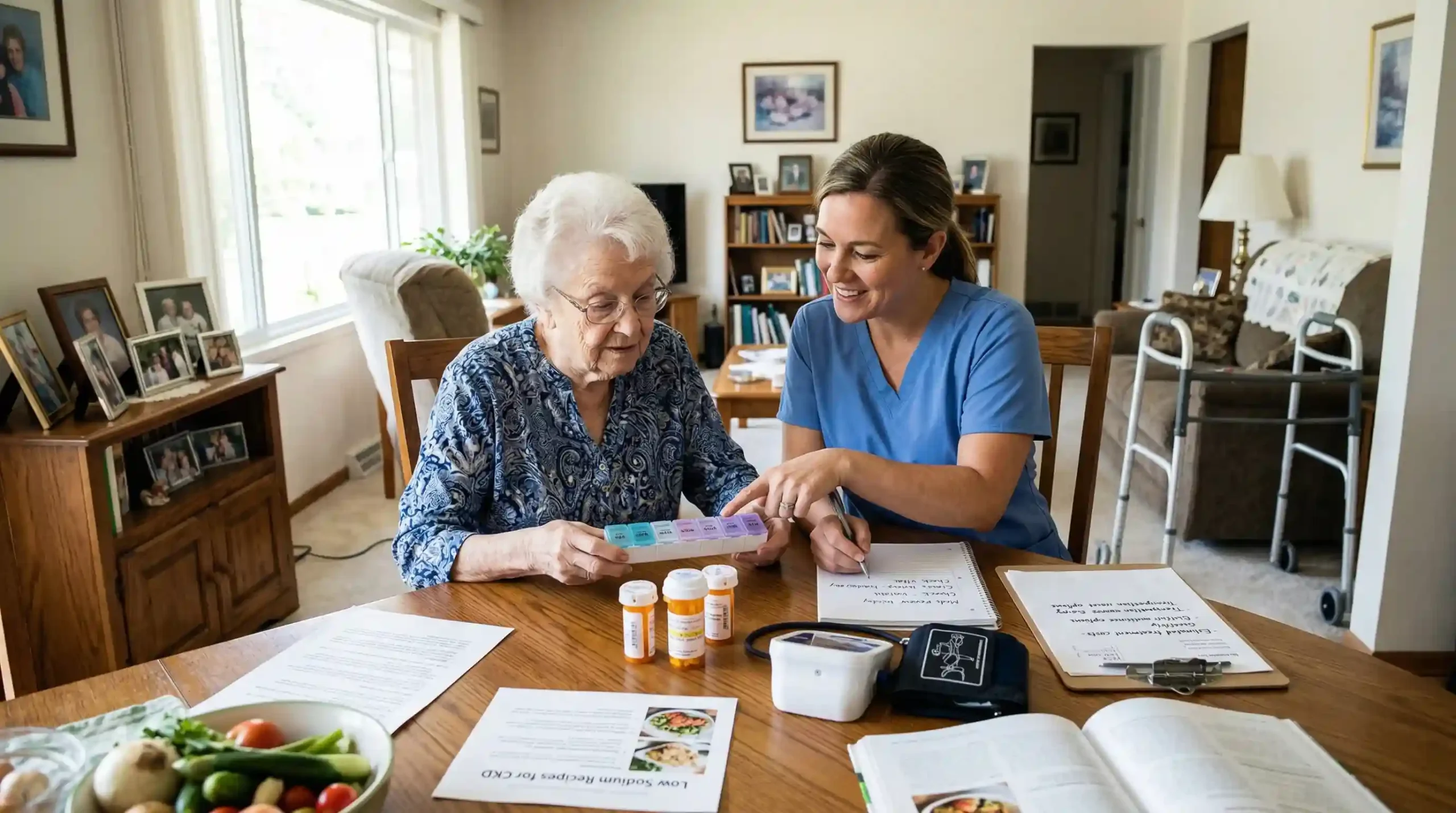
Recovering your strength, mobility, or independence is never easy especially when health challenges make it difficult to leave home. That’s where home based physical therapy and the support of a dedicated Physical Therapy Assistant (PTA) become incredibly valuable. Whether someone is healing after surgery, managing a chronic illness, or simply working to stay strong while aging, a PTA plays a vital role in helping them move safely, confidently, and comfortably at home. This guide explores, in clear and caring language, everything families should know about Physical Therapy Assistant home health care, what PTAs do, how they work with licensed physical therapists, how they support recovery, and why their presence can dramatically improve patient outcomes.
What Is a Physical Therapy Assistant in Home Health Care?
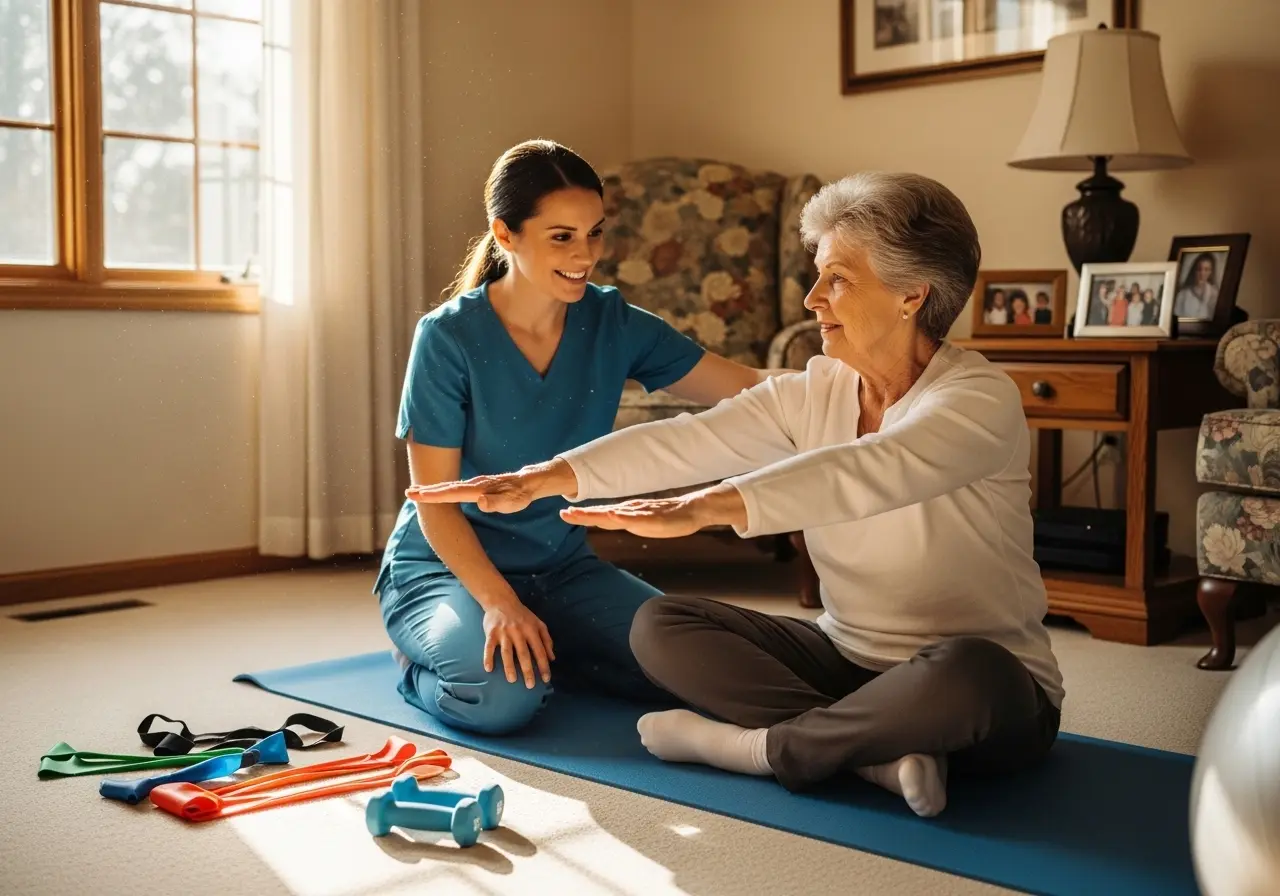
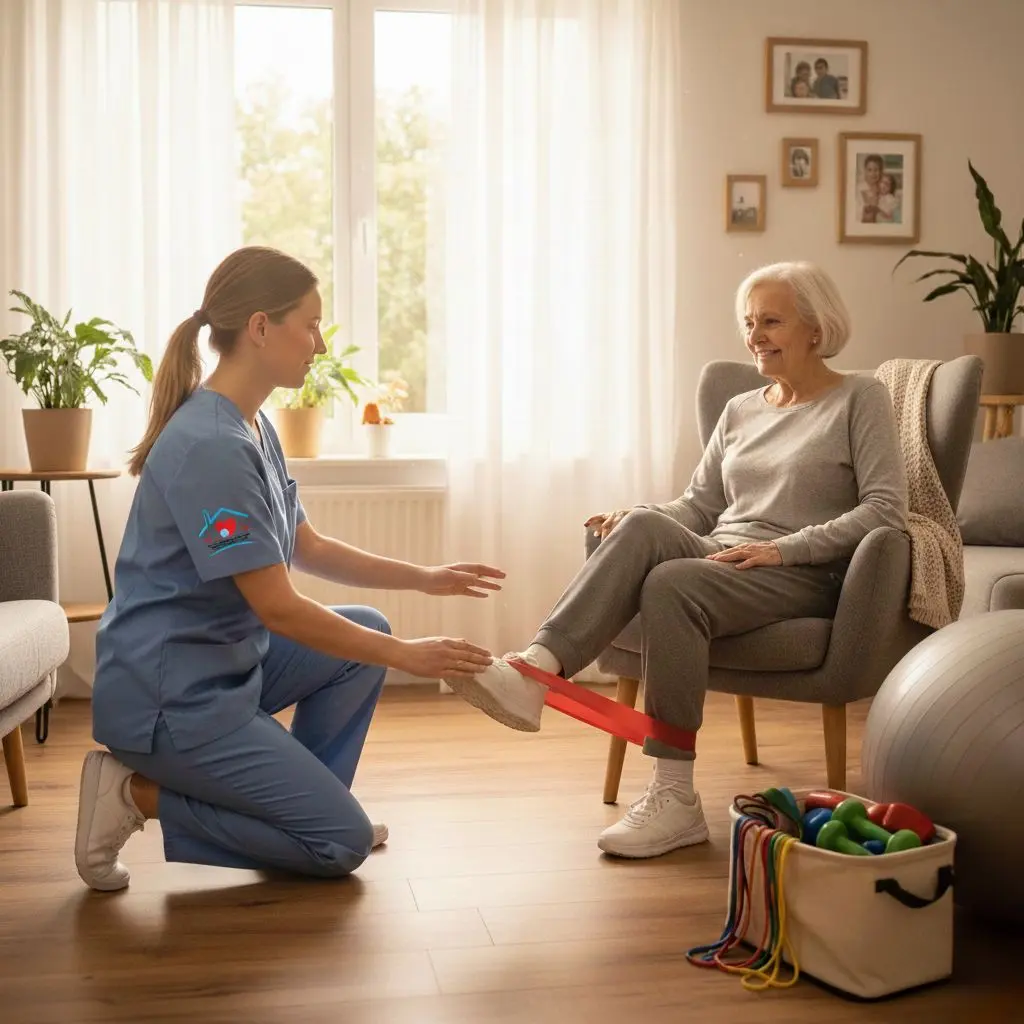
A Physical Therapy Assistant (PTA) is a trained and licensed healthcare professional who works under the supervision of a licensed physical therapist (PT). In home health care, PTAs provide hands on rehabilitation services directly in a patient’s home, helping them regain mobility, manage pain, improve strength, and perform everyday activities more safely.

PTAs are involved in:
- Implementing the treatment plan created by a physical therapist
- Guiding patients through therapeutic exercises
- Supporting rehabilitation at home with clear, step by step instruction
- Monitoring patient progress and communicating updates to the supervising PT
Because PTAs visit the patient regularly, they become a trusted source of encouragement and motivation. They help people steadily progress toward their physical therapy goals in the comfort of familiar surroundings.
How PTAs Work With Licensed Physical Therapists
A PTA is never working alone. They operate under a structured, collaborative model:

1. Assessment & Planning by the PT
The licensed physical therapist performs:
- A detailed evaluation of the patient’s mobility
- Range of motion tests
- Strength, balance, and functional assessments
- Fall risk analysis
- Pain and movement pattern evaluations
The PT then creates a personalized treatment plan with goals, timelines, and targeted therapeutic activities.

2. Care Delivery by the PTA
PTAs carry out much of the day to day rehabilitation work, such as:
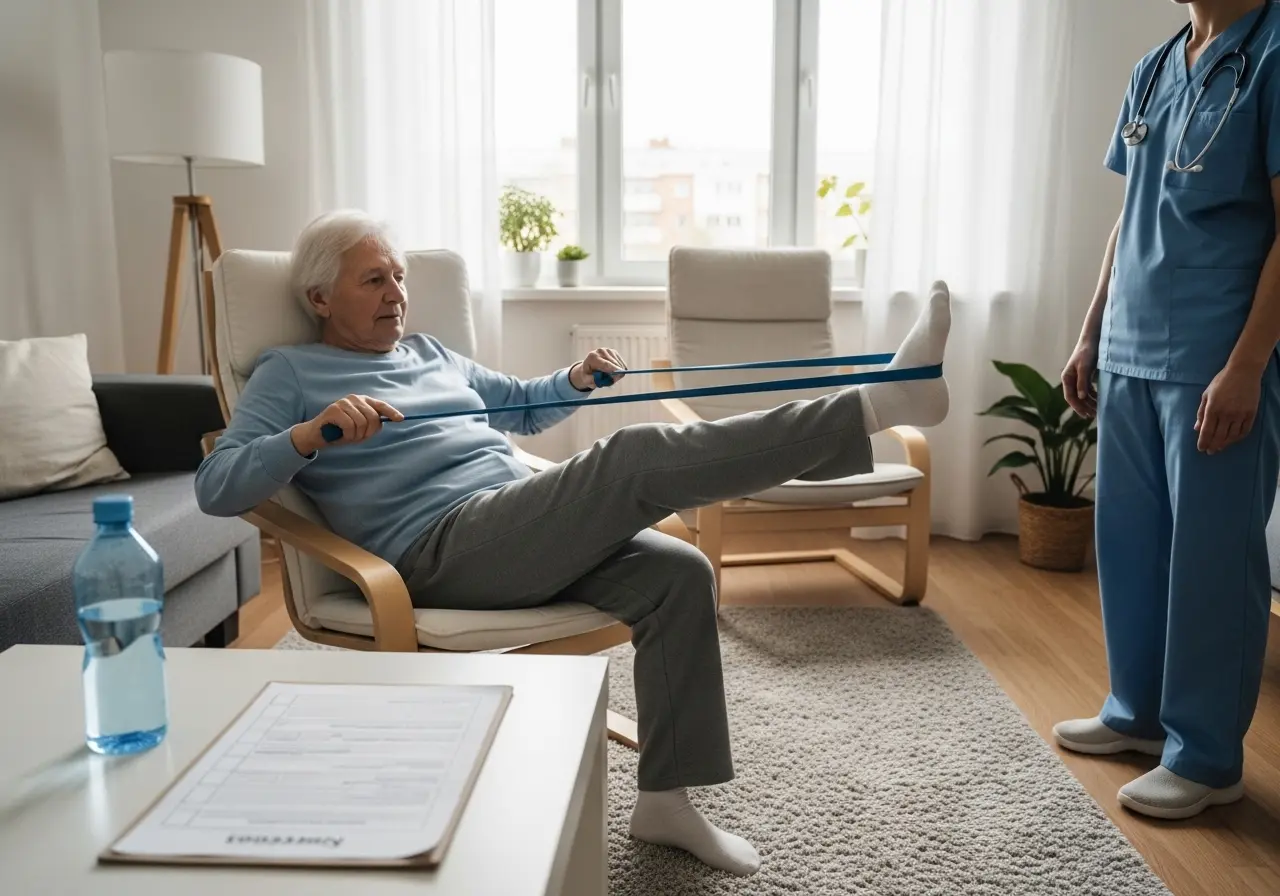
- Therapeutic exercise programs
- Functional mobility training (safe walking, transfers, posture)
- Balance and strength exercises
- Pain relief techniques
- Home safety recommendations

3. Ongoing Communication
PTAs monitor patient progress closely and report:
- Improvements
- Setbacks
- Pain level changes
- Medication or safety concerns
- Functional achievements
The PT may adjust the treatment plan based on the PTA’s updates, ensuring the patient continues moving in the right direction.
This team based approach improves outcomes while keeping the care consistent, personalized, and safe.
Who Can Benefit From Home Based Physical Therapy?
Home physical therapy is highly effective for people who:
- Have difficulty traveling to a clinic
- Prefer one on one care in a familiar environment
- Require customized therapy tailored to their home setup
- Are recovering from surgery, injury, or illness
Common groups who benefit include:
Seniors
Older adults often need support with walking, balance, and strength. Senior physical therapy in the home helps reduce fall risk and maintain independence.
Post Surgical Patients
Individuals recovering from:
- Joint replacement
- Orthopedic procedures
- Spine surgeries
often rely on post surgery home therapy to regain safe mobility.
People With Chronic Conditions
Home therapy supports long term conditions such as:
- Arthritis
- COPD
- Heart failure
- Diabetes related mobility issues
- Parkinson’s disease
- Stroke recovery
- Individuals With Limited Mobility
Those who struggle with transportation or movement challenges benefit enormously from in home rehab services.
Key Responsibilities of a Physical Therapy Assistant in Home Care
A PTA’s duties extend far beyond just guiding exercises. They play a comprehensive role in a patient’s daily recovery, including:
Therapeutic & Functional Responsibilities
- Implementing the PT’s treatment plan
- Guiding safe therapeutic exercises
- Providing mobility improvement activities
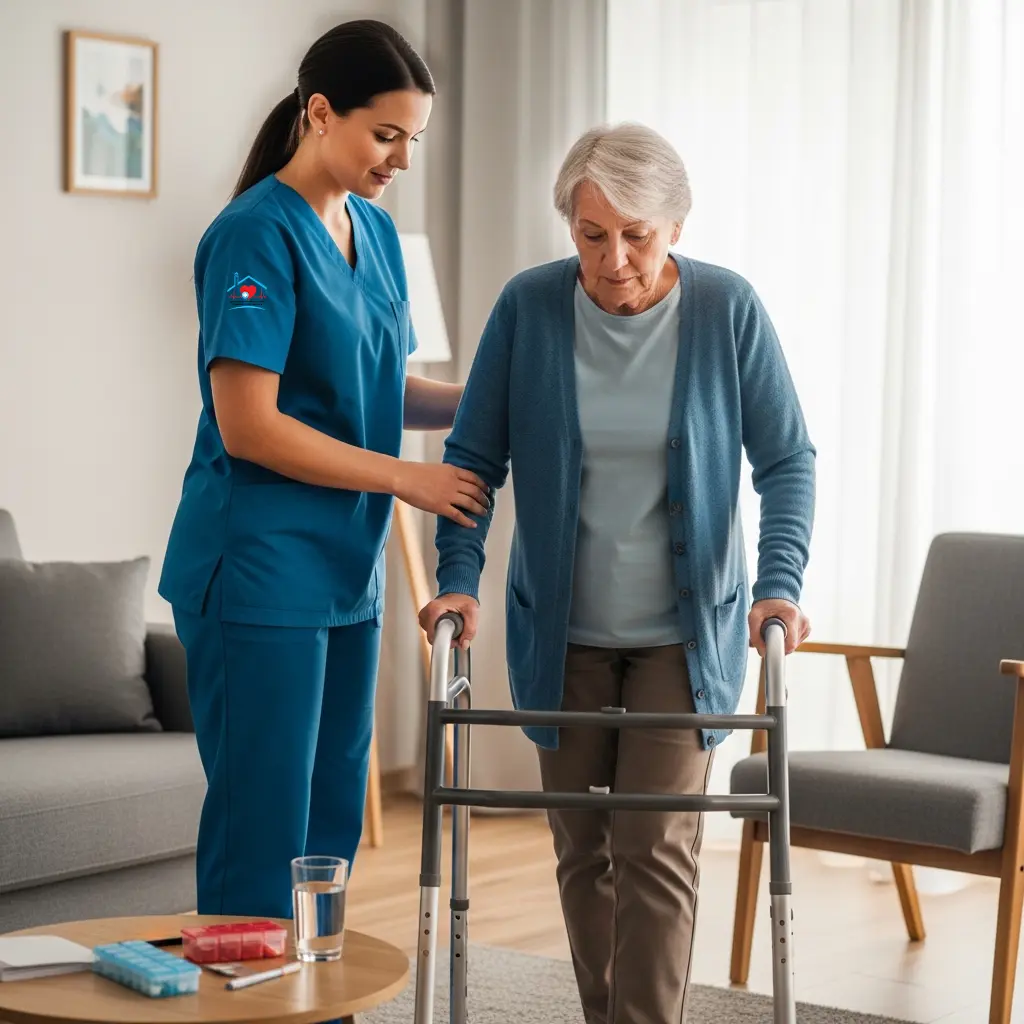
- Supporting gait training with walkers or canes
- Teaching proper body mechanics
- Helping with balance and strength exercises
- Tracking progress and documenting changes
- Communicating with the supervising PT regularly
Safety & Home Support Responsibilities
- Assessing fall risks in the living environment
- Suggesting safety modifications (grab bars, non slip mats)
- Ensuring the patient performs daily tasks safely
- Preventing injuries during exercises
Patient & Family Education
PTAs help everyone involved understand:
- Safe movement techniques
- How to continue exercises between sessions
- Pain management strategies
- Adaptive techniques for daily activities
This combination of clinical and educational support makes the PTA an essential member of the home healthcare team.
Medical vs Functional Support Provided by PTAs
While PTAs do not diagnose conditions or make clinical decisions (those responsibilities belong to the physical therapist), they provide two major types of support:
1. Medical Related Support
PTAs assist with:
- Pain management exercises
- Monitoring swelling or inflammation
- Recognizing red flags (e.g., sudden pain or dizziness)
- Tracking vital movement indicators
- Ensuring exercises align safely with medical conditions
They help patients stay on course with their prescribed treatment plan and alert the PT when adjustments are needed.
2. Functional Support
This includes:
- Helping patients walk safely
- Improving posture, balance, and body control
- Teaching how to perform daily tasks (dressing, bathing, cooking)
- Strengthening muscles for improved independence
- Encouraging confidence with movement
This functional progress builds independence and restores quality of life.
Benefits of Receiving Physical Therapy at Home
Families increasingly choose home health physical therapy services because the benefits are hard to match:
1. Convenience and Comfort
No travel, no waiting rooms, no stress therapy comes to you. This is especially helpful for seniors and people with mobility challenges.
2. Personalized, One on One Care
Because the PTA sees the patient in their natural environment, the care becomes more accurate and personalized.
3. Faster, Safer Recovery
Patients often progress more quickly at home because exercises are easier to incorporate into daily life.
4. Reduced Fall Risk
PTAs identify hazards like loose rugs, poor lighting, or unstable furniture and help patients navigate their home safely.
5. Better Family Involvement
Family members can observe sessions and learn how to support the patient between visits.
6. Stronger Motivation & Emotional Support
The consistent presence of a PTA provides encouragement, accountability, and compassionate guidance.
7. More Effective Treatment Outcomes
Home based therapy enhances:
- Balance
- Endurance
- Pain control
- Functional independence
- Long term mobility
When patients feel safe and supported, they make greater progress.
PTA Support for Seniors and Aging Adults
Aging often brings changes such as weakened balance, joint stiffness, or chronic pain. PTAs offer seniors tailored support that helps them remain mobile and independent longer.
Common goals for older adults include:
- Improving endurance for daily walking
- Strengthening legs and core muscles
- Reducing fall risk
- Improving posture
- Managing arthritis pain
- Enhancing coordination
- Increasing confidence during daily activities
PTAs also teach seniors how to use mobility aids, walkers, canes, rollators correctly and safely.
For many older adults, these interventions are the key to continuing to live independently at home.
PTA Services for Post Surgery Recovery
Surgery can leave people feeling weak, unsteady, and unsure of how quickly they can resume normal activity. PTAs provide structure, support, and reassurance throughout the healing process.
Common post surgical cases include:
- Hip replacement
- Knee replacement
- Shoulder repair
- Spinal surgery
- Fracture repair
PTAs help with:
- Early mobility training
- Strength rebuilding
- Pain reduction exercises
- Gait correction after orthopedic procedures
- Swelling control techniques
- Safe return to daily activities
Because therapy happens at home, patients heal in a calm and controlled environment, reducing the chance of complications.
PTA Services for Chronic Illness and Limited Mobility
Chronic conditions often require long term rehabilitation to maintain functional ability and prevent decline. PTAs support patients with:
- Neurological disorders (MS, Parkinson’s)
- Heart or lung conditions
- Diabetes complications
- Arthritis and chronic pain
- Mobility limiting conditions
Services may include:
- Breathing exercises
- Low impact strength training
- Balance retraining
- Pain reduction routines
- Endurance building activities
- Safe movement strategies
This ongoing care helps patients stay active, reduce discomfort, and enhance quality of life.
Therapeutic Exercises Commonly Used in Home Care
PTAs guide patients through targeted programs such as:
Strengthening Exercises
- Leg lifts
- Seated or standing marches
- Resistance band work
- Arm strengthening exercises
Balance Improvement
- Single leg stance (with support)
- Heel to toe walking
- Weight shifting activities
Flexibility & Range of Motion
- Gentle stretching routines
- Joint mobility activities
Gait Training
- Correcting walking patterns
- Practicing turning, stopping, and stepping safely
Functional Training
- Sit to stand practice
- Stair climbing
- Safe transfer techniques
Each program is customized to match the patient’s goals, medical needs, and living environment.
How PTAs Improve Safety, Mobility, and Independence
A PTA’s presence significantly enhances patient safety and independence. They help individuals:
- Move with less pain
- Navigate their home safely
- Improve confidence while walking
- Strengthen muscles needed for daily activities
- Reduce fall risk
- Build endurance for everyday tasks
- Regain functional independence
Patients often report feeling stronger, more capable, and more confident after consistent work with a PTA.
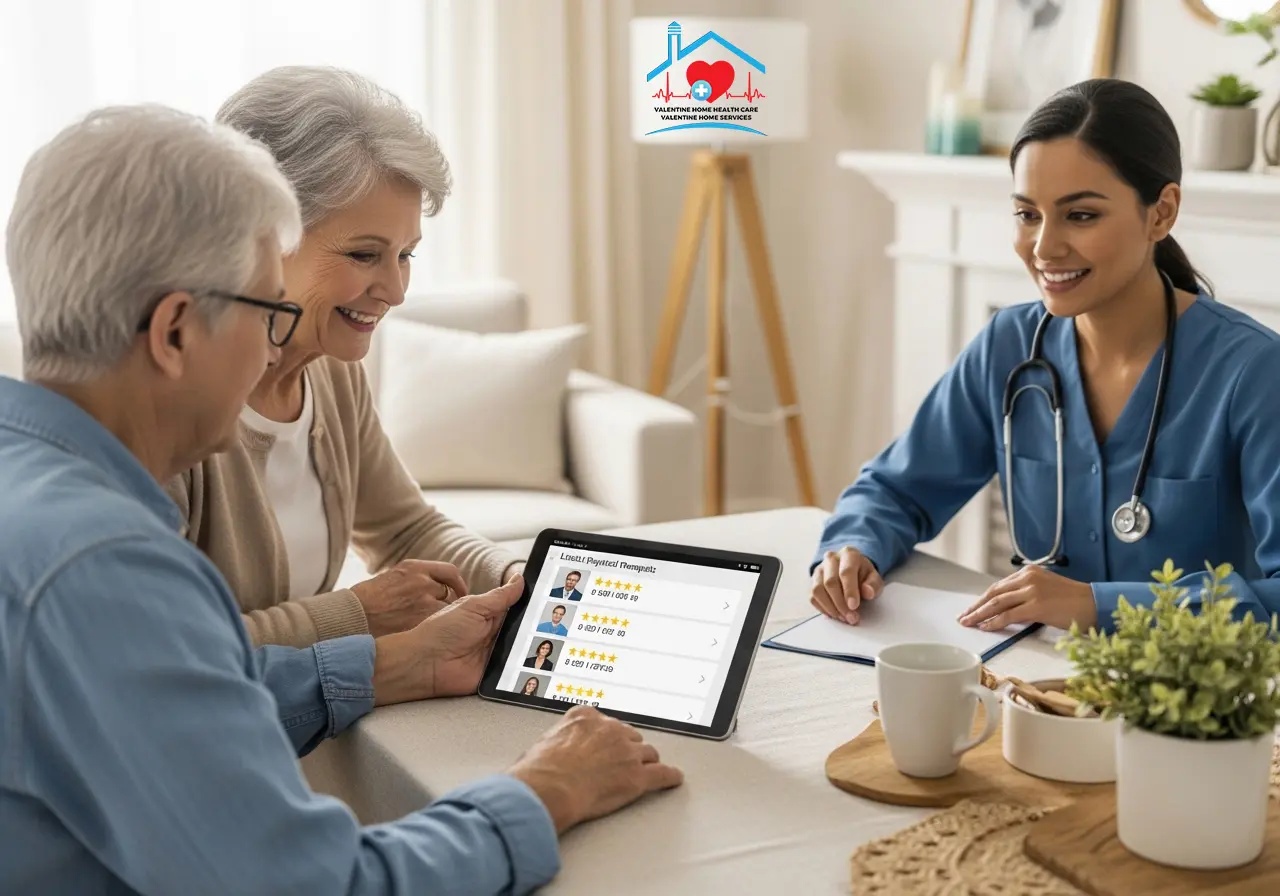
How Families Can Choose a Good Physical Therapy Assistant
Choosing the right PTA is essential. Look for:
1. Proper Credentials
The PTA should be:
- State licensed
- Experienced in home care
- Backed by a reputable home health agency
2. Strong Communication Skills
A good PTA explains exercises clearly and supports the patient with patience and compassion.
3. Experience With the Patient’s Condition
Whether it’s post surgery recovery, chronic illness, or senior support, relevant experience matters.
4. A Friendly, Encouraging Personality
Rehabilitation is hard work. Patients need someone who motivates without overwhelming.
5. A Collaborative Approach
The PTA should work seamlessly with the supervising PT, nurses, and caregivers.
Common Questions People Ask About Home Health Physical Therapy
How often will the PTA visit?
It depends on the treatment plan usually 2 to 4 times per week based on the patient’s goals and needs.
Do PTAs bring equipment?
Most exercises rely on simple tools like resistance bands, small weights, or household items.
Is home physical therapy as effective as clinic therapy?
Yes. Many patients progress faster at home because the environment is familiar, safe, and comfortable.
Do PTAs work with seniors who have dementia?
Yes. PTAs are trained to adapt exercises for patients with cognitive challenges.
Can family members participate?
Absolutely. PTAs often teach families how to support the patient between sessions.
Cost Factors and Insurance Considerations
Costs vary depending on:
- The number of weekly visits
- Insurance coverage
- The patient’s medical condition
- The home health agency’s rates
Most insurance plans including Medicare cover home physical therapy when medically necessary and ordered by a physician.
Always confirm:
- Eligibility requirements
- Agency billing practices
- Out of pocket expectations
A reputable agency will help you understand coverage clearly.

Future of Home Based Physical Therapy Services
Home based rehabilitation is growing rapidly due to:
- Increasing demand for in home senior care
- Advances in mobile health technology
- Rising preference for personalized one on one care
- Better outcomes from home based recovery
- Improved communication between PTs, PTAs, and caregivers
The future will likely include:
- More remote monitoring tools
- Virtual PT check ins combined with in person PTA support
- Enhanced treatment personalization
Home based therapy is becoming the standard for many types of rehabilitation, not just a convenience, but a powerful clinical option.
About Valentine Home Health Care
Valentine Home Health Care is dedicated to delivering compassionate and professional rehabilitation services directly to patients’ homes. Their team of licensed therapists and skilled PTAs focuses on restoring mobility, building strength, and improving daily independence with personalized care plans tailored to each individual’s needs. When families search for home health care near me, Valentine Home Health Care stands out for its commitment to safety, comfort, and the highest standards of care.
Conclusion
A Physical Therapy Assistant plays a vital role in helping patients regain strength, mobility, and independence at home. From therapeutic exercises to safety guidance and emotional encouragement, PTAs are an essential part of the healing process. Whether supporting seniors, guiding post surgery recovery, or helping individuals manage chronic conditions, PTAs bring expertise, compassion, and personalized care right to the patient’s doorstep. If you or a loved one is considering home physical therapy, partnering with a skilled PTA can make all the difference in achieving safe, steady, meaningful progress. Let healing happen where it feels best at home.