Caring for a loved one during the final stage of life is an emotional journey. Families often want to provide comfort, dignity, and peace while ensuring their loved one receives the right medical and emotional support. This is where a home hospice caregiver becomes invaluable. Hospice caregivers bring specialized knowledge, compassion, and steady guidance so families are not left feeling overwhelmed or alone.
This guide explains what home hospice caregivers do, when hospice care is appropriate, what daily care looks like, and how families can receive the support they need. It also shares practical advice, emotional insights, and helpful information about finding the right caregiver for your home.
What Is a Home Hospice Caregiver?
A home hospice caregiver is a trained professional who supports people with life limiting illnesses in the comfort of their own homes. Their primary goal is to improve quality of life rather than cure the illness. Hospice caregivers focus on comfort, emotional well-being, dignity, and relief from pain or symptoms.
Care at home often includes a team approach. While the hospice caregiver is central to day to day support, the team may also include:

Together, they help create a peaceful, supportive environment for both the patient and the family.
When to Choose Hospice Care
Many families struggle with the decision to start hospice care. It is often misunderstood as giving up but hospice is actually about choosing compassionate, comfort focused care.
Hospice may be the right choice when:
1. Curative treatments are no longer working
If doctors say treatment will no longer slow the illness, hospice provides a shift toward comfort rather than medical intervention.
2. The patient prefers to stay at home
Most people want to spend their final days surrounded by familiar spaces and loved ones. Hospice supports this wish.
3. Symptoms become difficult to manage
Pain, shortness of breath, fatigue, or emotional distress may increase. Hospice teams specialize in symptom relief and comfort care services.
4. Families need help
Caring for someone at the end of life can be physically and emotionally draining. Hospice care offers daily support to ease this burden.
Choosing hospice early often leads to better comfort, more meaningful family time, and better quality of life.
Benefits of Hospice Care at Home
Receiving hospice support at home offers many advantages for both patients and families.
Comfort and familiarity
Being in one’s own bedroom, surrounded by personal belongings, helps create a peaceful environment.
More meaningful family time
Families can spend time together without the stress of managing every medical detail.
Personalized, one on one care
Hospice caregivers get to know the patient’s routine, preferences, and comfort needs. This allows for highly customized support.
Better symptom management
With regular visits and continuous guidance, hospice teams can adjust pain management at home quickly.
Emotional and spiritual support
Hospice recognizes that end of life care includes emotional, psychological, and spiritual needs as well as physical ones.
What Does a Home Hospice Caregiver Do?
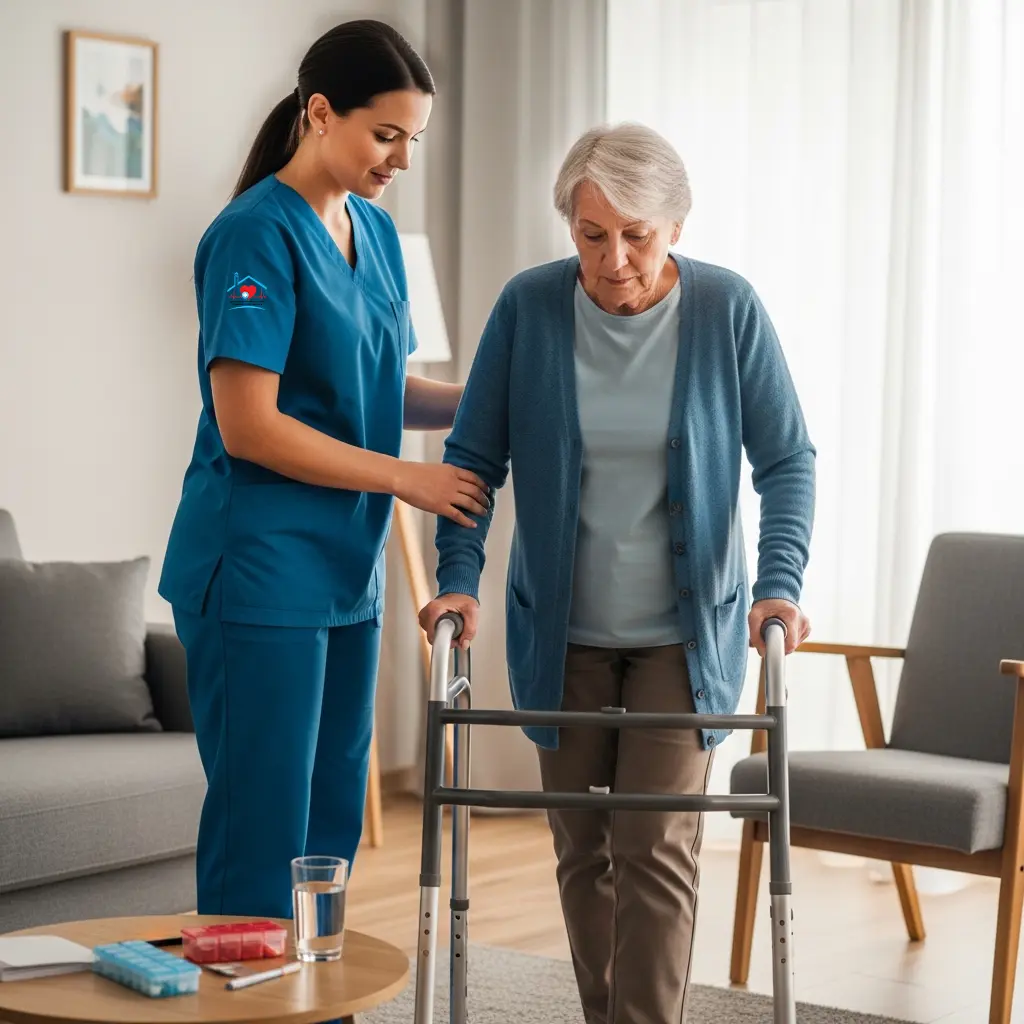
A hospice caregiver’s role is broad, gentle, and deeply supportive. Their duties blend comfort care, practical tasks, and emotional companionship.
Daily Personal Care

These tasks help the patient stay comfortable and preserve dignity.
Monitoring Symptoms
Caregivers keep track of changes in:

They work closely with hospice nurses to update care plans as needed.
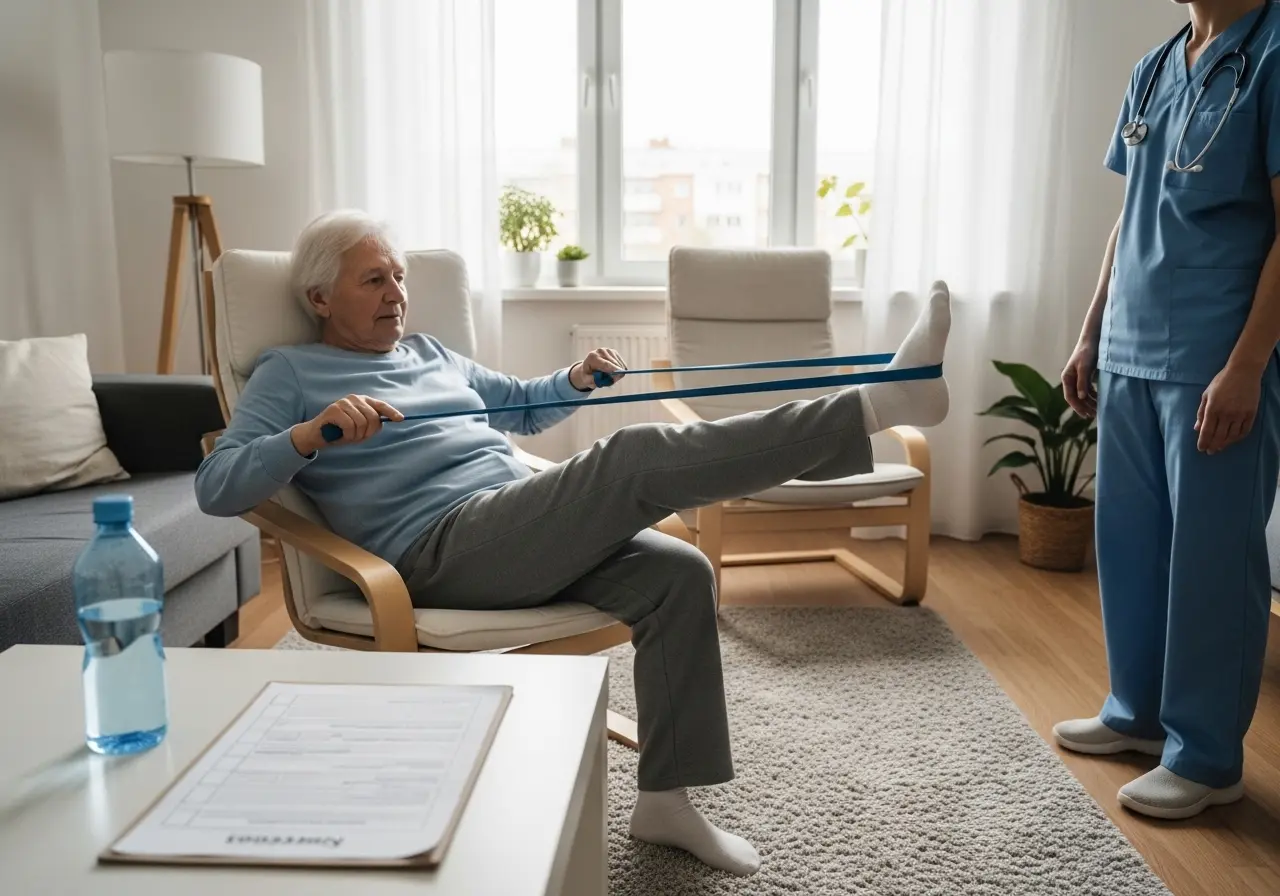
Comfort and Palliative Support
This includes:

They help reduce pain and discomfort while promoting calmness.
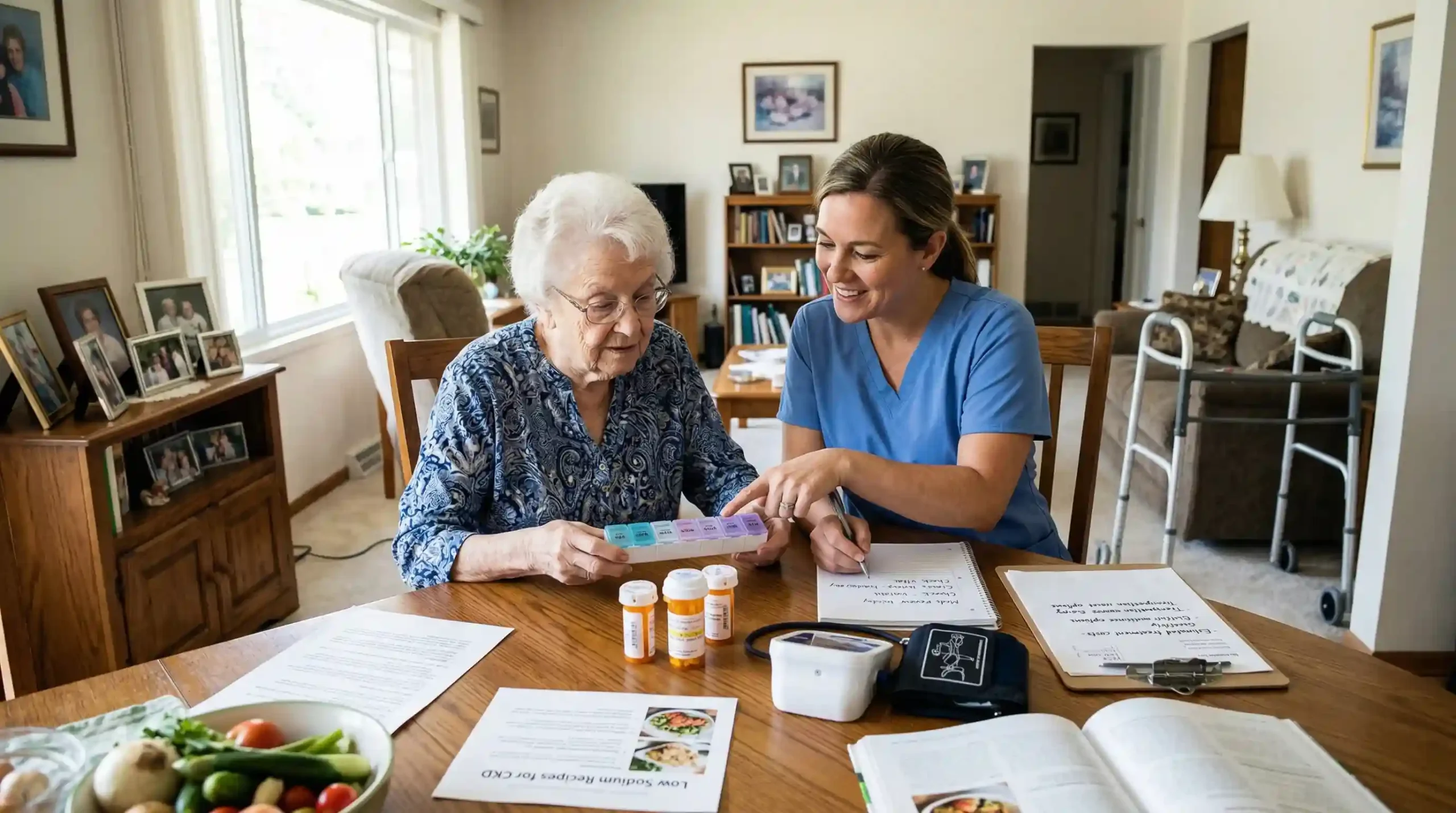
Medication Reminders
Caregivers ensure medications are taken on schedule and inform nurses about how well medications are working.
Light Household Support
Though not housekeepers, hospice caregivers may help with:

This supports the home environment so families can focus on being together.
Companionship and Emotional Support
Hospice caregivers often become comforting companions. They listen, talk, read aloud, or simply offer quiet company.
Guidance for Families
Families often have many questions about what to expect, how to provide comfort, how to manage changes. Hospice caregivers share insights and practical advice so families feel supported rather than afraid.
Emotional Support for Families
The emotional part of hospice can be overwhelming. A home hospice caregiver helps families navigate this experience with compassion.
They provide:
- Reassurance during difficult moments
- Education about what changes to expect
- A calm presence during times of uncertainty
- Support during the grieving process
They also remind families to care for themselves, offering encouragement to rest, take breaks, and stay connected with loved ones.
Daily Life With Hospice Care at Home
Many families wonder what hospice care looks like day to day. While every plan is customized, here is a general picture.
Morning Routine
Caregivers may help with bathing, dressing, and preparing the patient for the day. They check comfort levels and help with breakfast or medication reminders.
Midday Support
This may include repositioning, light activity, conversation, or quiet rest. Caregivers monitor symptoms and help manage any discomfort.
Evening Care
They help the patient wind down, assist with grooming, and ensure proper positioning for the night.
Caregiver Visits and Nursing Support
Hospice teams work on a schedule. Nurses may visit several times a week, while caregivers may visit daily or multiple times per week depending on the care plan.
Families are also taught ways to help in between visits.
On Call Support
If symptoms change suddenly or pain increases, hospice teams are available to guide families, sometimes even providing emergency visits.
Pain Management at Home
Managing pain and discomfort is a major part of end-of-life care at home. Hospice teams use a combination of medication, breathing techniques, positioning, and comfort therapy to reduce suffering.
Pain management may include:
- Prescribed medications
- Warm or cold compresses
- Relaxation techniques
- Adjusting the environment (sound, light, temperature)
Gentle massage
Patients and families are involved in every decision, ensuring care remains respectful and aligned with the patient’s wishes.
Support for Family Caregivers
Families often play a major role in care. Hospice does not replace the family; it supports them.
Hospice teams offer:
- Training on safe caregiving
- Emotional support
- Counseling
- Respite care (temporary relief for family caregivers)
- Regular check ins
- Support groups
This helps families feel empowered and supported throughout the journey.
How to Find a Good Home Hospice Caregiver
Choosing the right caregiver is one of the most important decisions during this time.
Here are key factors to consider:
Experience with end of life care
Caregivers should have hospice or palliative care training.
Compassion and communication
Look for someone who listens patiently and communicates clearly with the family.
Reliability
Consistency and punctuality are essential.
Team coordination
Good caregivers work well with hospice nurses, doctors, and family members.
Respect for cultural and personal values
The caregiver should honor the patient’s beliefs, routines, and preferences.
Flexible and calm demeanor
Since hospice care involves changes, the caregiver should adapt easily and stay calm in tough moments.
Positive reviews or recommendations
Ask for references or read testimonials when available.
How Home Hospice Services Work
Hospice services at home usually begin with an assessment. A nurse or hospice team member visits to understand the patient’s needs, symptoms, and care goals.
The process includes:
Initial evaluation
Reviewing medical history and understanding comfort needs.
Creating a care plan
This outlines caregiver schedules, nursing visits, medication management, and emotional support.
Regular check ins and adjustments
As symptoms change, the care plan evolves.
Collaboration with family
Families are involved in decisions and supported throughout the journey.
24/7 availability
Hospice teams offer guidance at any hour if urgent needs arise.
Cost Considerations
Many families worry about the cost of hospice care. Fortunately, hospice services are often covered by:

Out of pocket costs vary depending on the level of care needed, insurance plans, and additional services.
Most hospice programs cover:

Before starting care, families can meet with a hospice social worker to understand all financial details clearly.
What does a home hospice caregiver do?
A home hospice caregiver provides personal care, comfort support, symptom monitoring, companionship, and guidance for families. They help with daily tasks, emotional well-being, and coordination with hospice nurses.
How often does hospice visit at home?
Visit frequency depends on the care plan. Caregivers may visit daily or several times a week, while nurses often visit multiple times per week. Emergency support is available 24/7.
Does hospice provide 24/7 care?
Hospice programs offer 24/7 on call support, but around-the-clock in-home caregivers may require additional arrangements. Families can request extended care if needed.
Is hospice care only for the last days of life?
No. Hospice care is for the final months of life, not just the last few days. Early hospice care often improves comfort and quality of life.
Can families still help with caregiving?
Yes. Families remain involved as much as they want. Hospice teams guide families and support them rather than replacing their role.
Valentine Home Health Care: Supporting Families With Compassion
As families navigate the challenges of end of life care, organizations like Valentine Home Health Care play an important role. They provide trusted home health care services that support both patients and families with dependable, compassionate, and professional care. Their approach focuses on dignity, comfort, and personalized assistance, offering families steady guidance and hospice support when it is needed most. With experienced caregivers and a commitment to making home care easier and more comforting, Valentine Home Health Care helps families feel supported during one of life’s most sensitive times.
Conclusion: Choosing the Right Home Hospice Caregiver
A home hospice caregiver brings comfort, knowledge, and peace into a home during one of the most challenging moments a family can face. Their presence helps reduce stress, ease pain, and offer emotional and practical support.
Choosing the right caregiver means choosing compassion, understanding, and dignity for your loved one. With the right guidance, hospice care at home can create meaningful moments, quiet comfort, and a peaceful environment where your loved one feels safe and surrounded by care.