Introduction
I’ve sat with a lot of families over the years who are trying to figure out where their mom or dad should be. And I’ll tell you, the hardest part isn’t always the decision itself. It’s understanding what the options actually mean. You might hear assisted living and think that sounds nice. Independent, supportive, maybe like a helpful apartment building. Then someone mentions skilled nursing, and suddenly you’re picturing hospital beds and nurses in scrubs. And that can feel scary. It can feel like you’re giving up on your loved one’s independence.
But here’s the thing. These two types of care exist because people need different kinds of support at different times. Sometimes what your mom needs right now is just a little help with daily things. Sometimes she needs a lot more. And knowing the difference can help you make a choice that actually fits her life, not just what sounds better on paper. So let me walk you through this. I’ll explain what each one really looks like, what kind of care happens in each place, and how families I’ve worked with have made these decisions. Not from a textbook. From real life.
What is Assisted Living?
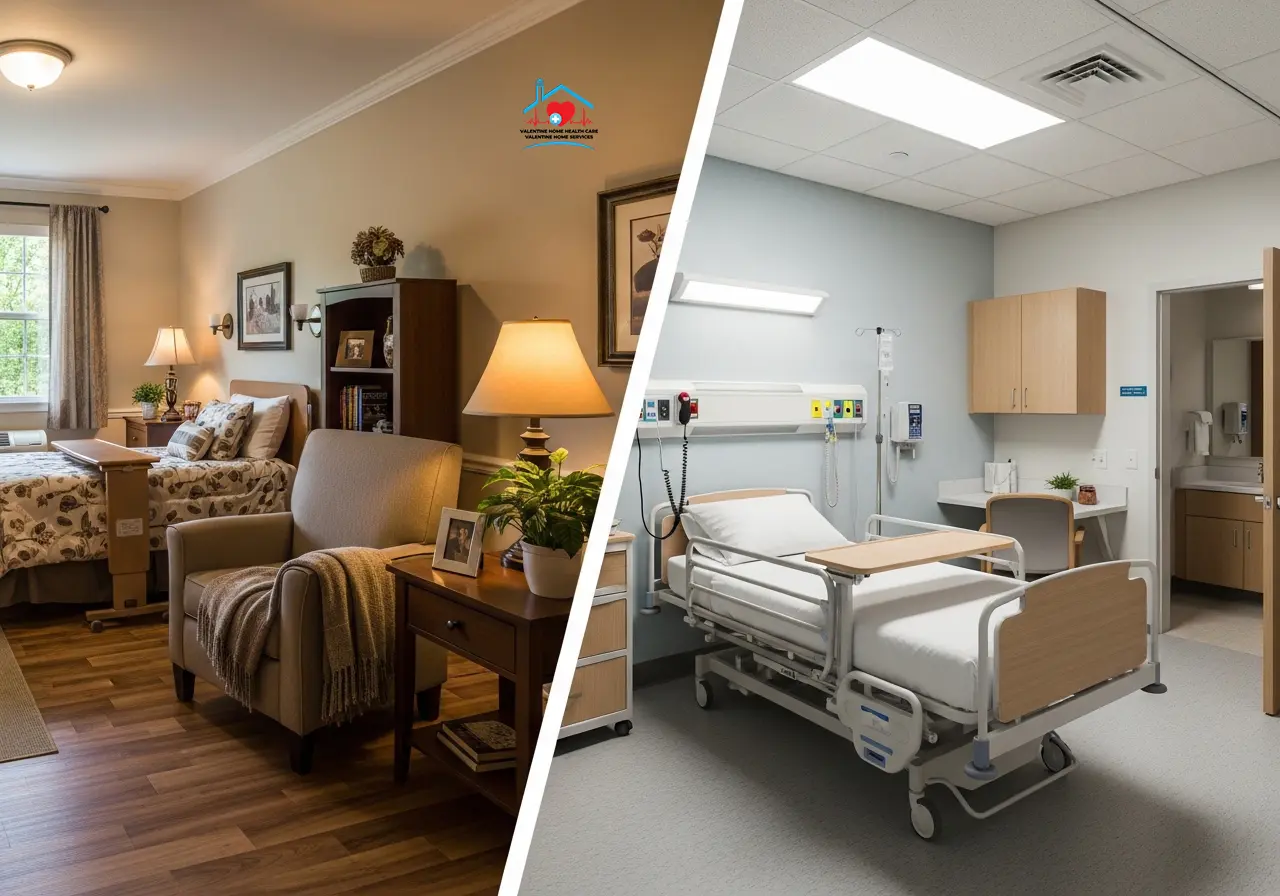
Assisted living is for people who can still do a lot on their own, but need some help with daily routines. Think of it like this: your dad can still get dressed, walk to the dining room, make decisions about his day. But maybe he forgets to take his blood pressure pill. Maybe he’s not cooking full meals anymore. Maybe the stairs at home are getting risky. In an assisted living facility, residents live in their own apartments or private rooms. They have their own space, their own belongings, sometimes even a small kitchenette. It feels more like home than a hospital. And that’s the point.
Staff members are there to help with things like:
- Reminders to take medications (not administering complex medical treatments, but checking in and making sure pills are taken)
- Help with bathing or getting dressed if needed
- Meals served in a dining room, usually with some choices
- Housekeeping and laundry
- Organized activities like bingo, exercise classes, movie nights, craft groups
I’ve seen residents in assisted living who are sharp as a tack. They play cards, they attend book clubs, they go on outings to the museum or the park. They just need someone nearby in case they fall, or forget something important, or need a ride to the doctor. The key word here is independence. People in assisted living are generally mobile. They can walk, maybe with a cane or walker. They can feed themselves. They can make choices about their day. They’re not bedridden. They’re not in need of constant medical monitoring. But I’ll be honest with you. Sometimes families choose assisted living because it sounds better, even when their loved one might actually need more care. And that can lead to problems down the road. So it’s important to be realistic about what your mom or dad can actually do on their own.
What is a Skilled Nursing Facility?
A skilled nursing facility is a whole different level of care. This is where people go when they need medical attention throughout the day, when they can’t manage their own basic needs safely, or when they’re recovering from something serious like a stroke or hip surgery. I’ve worked with families who had no idea what skilled nursing even meant until their dad had a fall and the hospital said he needed rehab before going home. And suddenly they’re touring skilled nursing facilities in Illinois, trying to understand what their father’s days will look like.
Here’s what happens in a skilled nursing facility:
- Nurses are on staff 24/7. Not just aides, but licensed nurses who can give medications, monitor vital signs, manage wounds, handle feeding tubes or oxygen.
- Residents often need help with almost everything. Bathing, toileting, getting dressed, eating. Some people can do a little on their own, but many need full assistance.
- There’s physical therapy, occupational therapy, speech therapy. If someone had a stroke and needs to relearn how to walk or swallow safely, this is where that happens.
- Medical oversight is constant. Doctors visit regularly. If someone’s condition changes, the staff notices right away.
- Rooms are more hospital like. Shared rooms are common, though some facilities offer private options. There are hospital beds, call buttons, and medical equipment.
- It’s not, it’s not as homey as assisted living. I won’t sugarcoat that. It’s clinical. It smells a little like a hospital. The routines are more structured because the care is more intensive.
But for someone who truly needs this level of support, it’s the safest place they can be. I’ve seen people thrive in skilled nursing facilities in Illinois because they’re finally getting the help they actually need, instead of struggling at home or in a setting that wasn’t equipped for their condition.
Key Differences Between Assisted Living and Skilled Nursing
Alright, so let’s break this down in a way that actually makes sense when you’re trying to decide.
Level of Medical Care
In assisted living, there’s usually a nurse who visits or is available, but not 24/7 skilled nursing. If your mom needs help remembering her pills, that’s fine. If she needs IV medication or wound care twice a day, that’s probably not going to work. In a skilled nursing facility, medical care is the foundation. Nurses are always there. They can handle complex needs like catheter care, insulin injections, monitoring heart conditions, managing pain medication. This is real medical oversight.
Mobility and Physical Ability
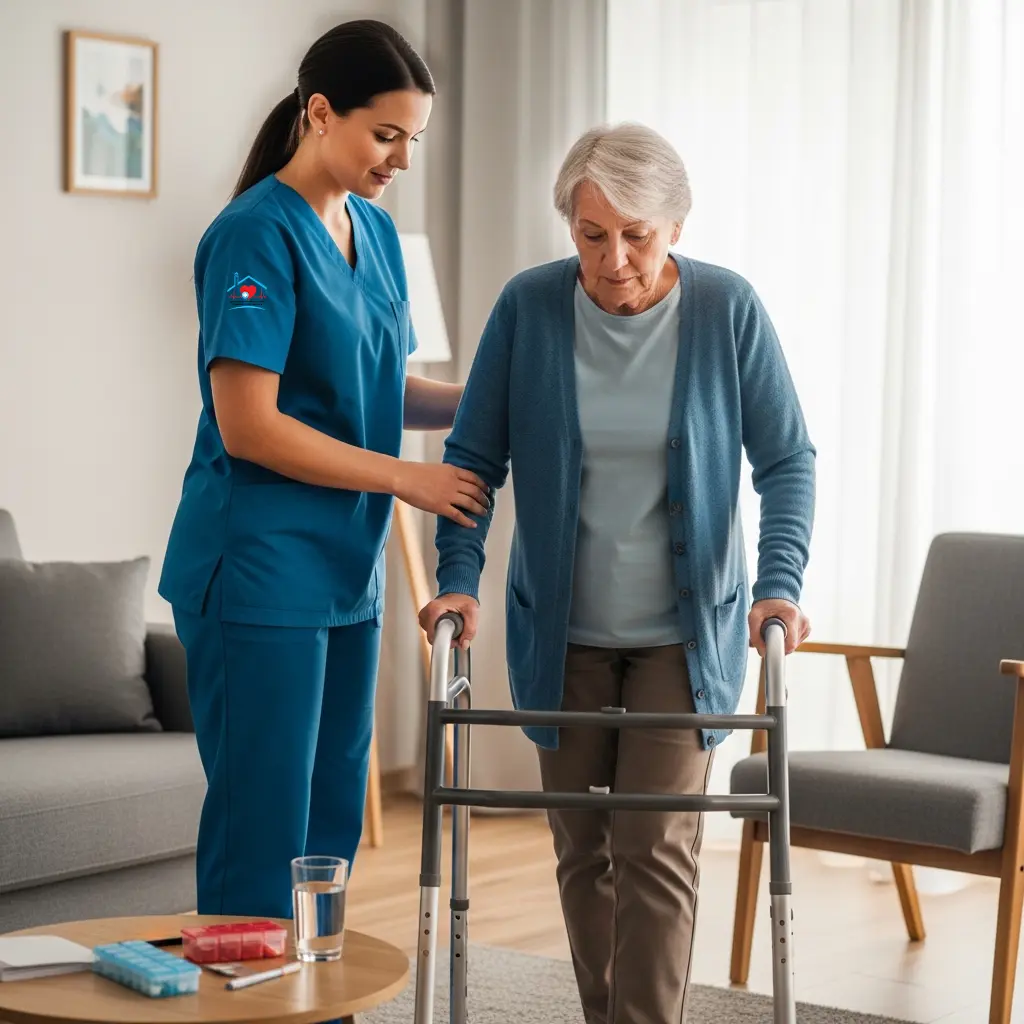
Assisted living residents can generally walk on their own, even if they use a walker or cane. They can get to the bathroom. They can sit up and feed themselves. In skilled nursing, you’ll see people in wheelchairs, people who are bedridden, people who need two staff members to help them transfer from bed to chair. Mobility is often very limited.
Daily Living Assistance
Assisted living helps with some daily tasks. Getting dressed, maybe. A reminder to shower. Help with laundry. Skilled nursing provides full daily living assistance for seniors who can’t do these things independently. Bathing is done with staff help. Toileting is assisted. Meals might be spoon fed if someone has trouble swallowing or can’t use utensils.
Independence and Choice
This is a big one. In assisted living, your dad can decide when he wakes up, what he wears, whether he wants to join the afternoon card game. He has freedom. In skilled nursing, routines are more fixed. Meals are at set times. Medication schedules are strict. There’s less room for personal choice because medical needs come first.
Rehabilitation and Therapy
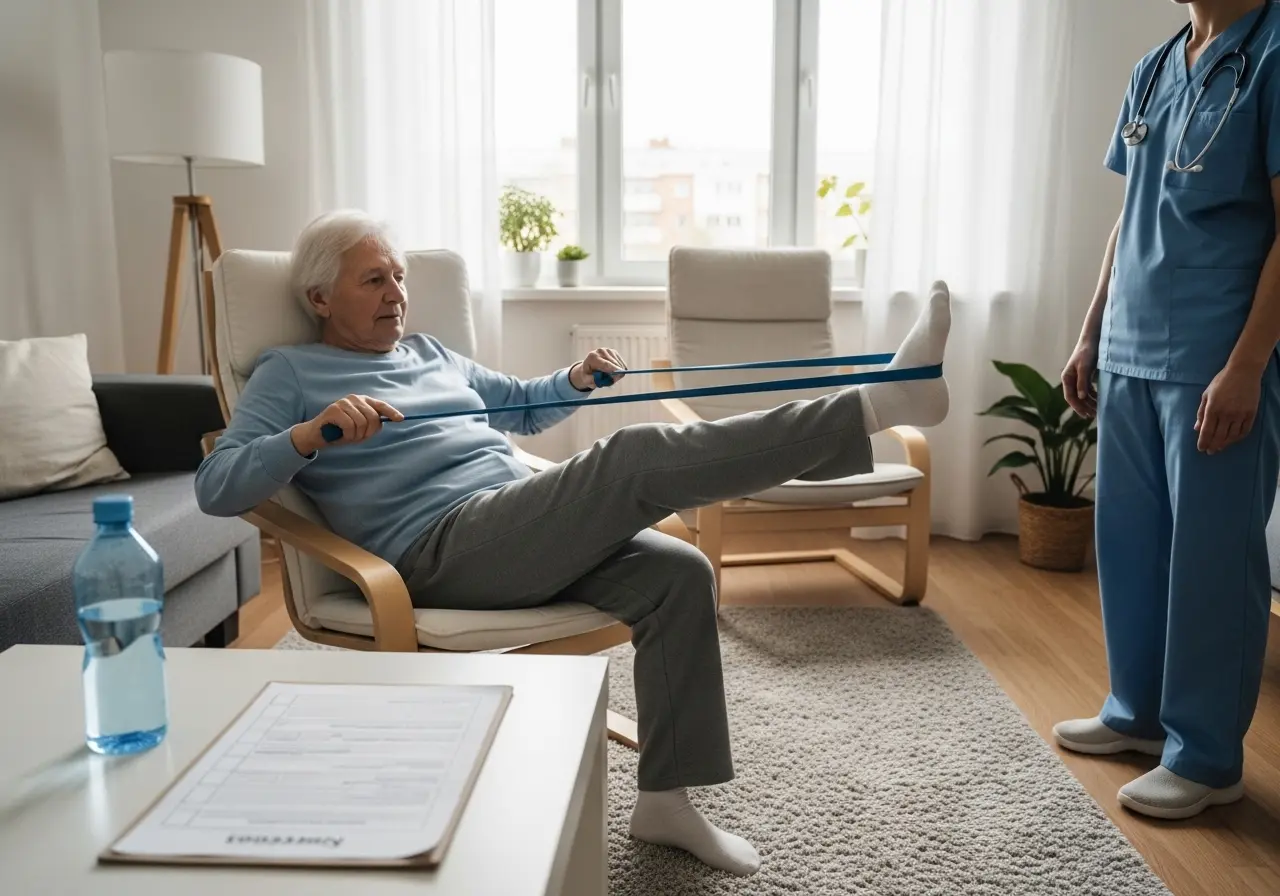
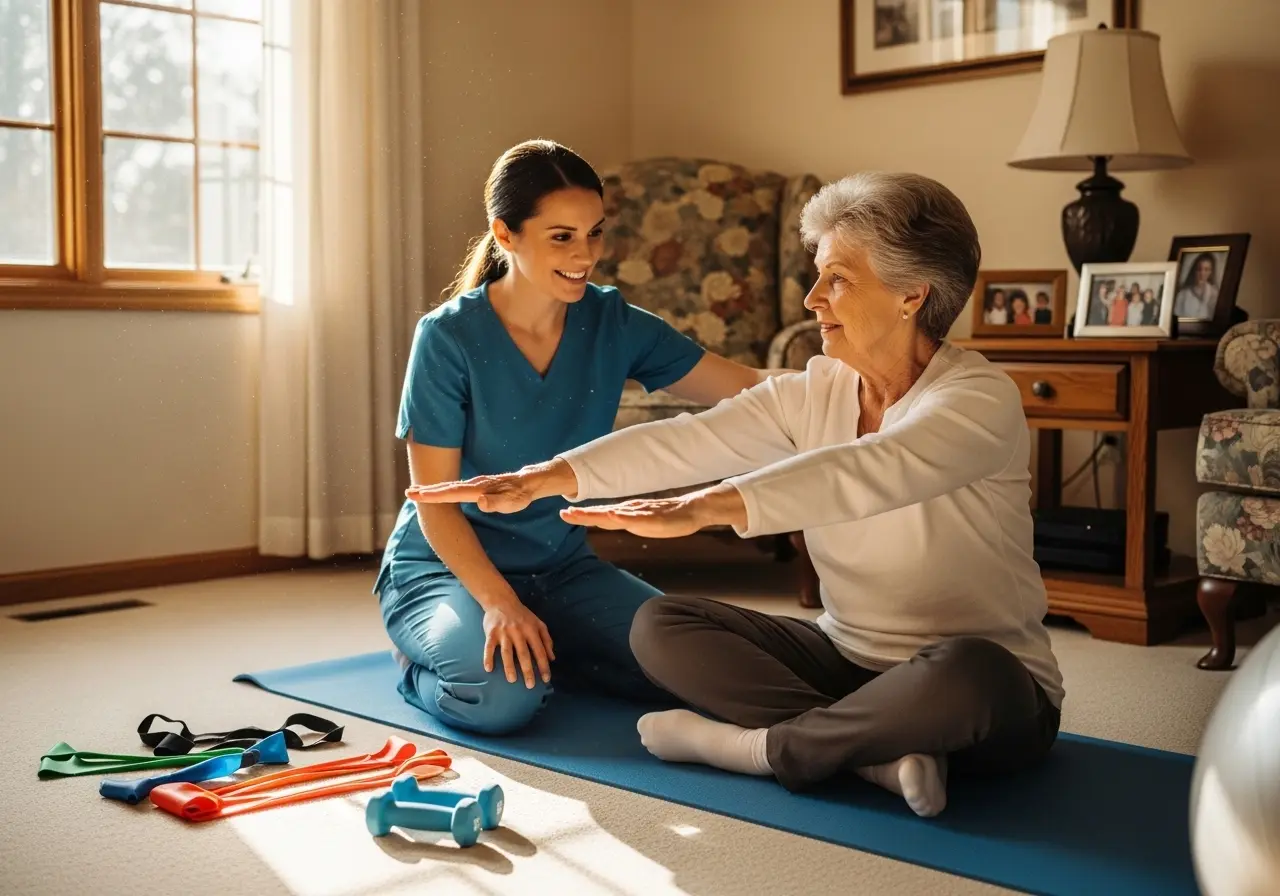
Assisted living might offer some light exercise classes or wellness programs, but it’s not structured therapy. Skilled nursing facilities provide real rehabilitation services. Physical therapists work with residents multiple times a week. Occupational therapists help people relearn how to dress or cook. Speech therapists work on swallowing or communication after a stroke. I’ve had families tell me they didn’t realize their mom could get physical therapy in a skilled nursing facility. They thought she’d just sit there. But no. If she’s recovering from a hip replacement or a fall, the therapy is intensive and goal focused.
Social Environment
Assisted living tends to feel more social. Residents are out and about. They chat in the hallways, attend activities, sometimes even leave the building for outings. Skilled nursing is quieter. Some residents are very social, but many are dealing with serious health issues or cognitive decline. The atmosphere is more subdued.
Daily Life and Care Routines
Let me paint you a picture of what daily life looks like in each setting, because I think that helps more than just listing differences.
A Day in Assisted Living
Your mom wakes up in her own room, in her own bed. Maybe she has photos on the wall, her favorite blanket, a little TV. She gets dressed, maybe with a little help if her arthritis is bad that day.
She walks to the dining room for breakfast. Scrambled eggs, toast, coffee. She sits with a few other residents she’s gotten to know. They talk about the weather, their grandkids, and the news.
After breakfast, there’s a chair exercise class in the activity room. She goes, or she doesn’t. It’s her choice. Later, a staff member reminds her to take her morning pills. She takes them herself, but the reminder helps.
Lunch is at noon. Then maybe she reads in her room, or watches TV, or naps. Mid afternoon, there’s a bingo game. She joins.
Dinner at 5:30. Then she might watch a movie in the common area or head back to her room to call her daughter.
At bedtime, a staff member checks on her, makes sure she’s okay. She takes her evening pills. She sleeps in her own space, with a call button nearby if she needs help during the night.
It’s simple. It’s supportive. It’s not medical.
A Day in a Skilled Nursing Facility
Your dad wakes up in a hospital bed. A nurse comes in to check his blood sugar, take his blood pressure, and give him his morning medications.
An aide helps him get washed and dressed. He can’t do it alone anymore. Then he’s transferred to his wheelchair. Breakfast is brought to him on a tray, or he’s wheeled to a dining area where staff help him eat if he needs it.
At 9 a.m., a physical therapist arrives. They work on getting him to stand, take a few steps with a walker. It’s hard. It’s tiring. But it’s progress.
Lunch. More medications. A nap.
In the afternoon, an occupational therapist works with him on using utensils, buttoning his shirt. Small things that matter.
Dinner. Evening medications. Maybe the TV is on. A nurse checks on him before bed. He’s changed into pajamas with help. He sleeps knowing that if something goes wrong in the night, someone will be right there.
It’s structured. It’s medical. It’s safe.
How Families Decide
So how do you know which one your loved one needs?
I wish I could give you a simple checklist, but honestly, every person is different. What I can tell you is this: be honest about what your mom or dad can and can’t do right now. Not what they could do six months ago. Not what you hope they’ll be able to do someday. Right now.
Ask Yourself:
- Can they walk safely on their own, or do they fall often?
- Can they go to the bathroom independently, or do they need help?
- Can they take their medications correctly without someone managing it for them?
- Do they need medical care throughout the day, or just occasional check ins?
- Are they recovering from surgery, a stroke, or a major illness?
- Do they have dementia or confusion that makes them unsafe alone?
If your loved one can mostly take care of themselves but just needs some help and companionship, assisted living might be the right fit. If they need hands-on help with almost everything, or if they’re medically fragile, a skilled nursing facility is probably necessary. Sometimes families feel guilty about choosing skilled nursing. They think it means they’ve failed, or that their loved one will be miserable. But I’ve seen people become safer, healthier, and even happier when they’re finally in a place that can meet their actual needs. And here’s something else I’ve noticed. Sometimes people start in assisted living, and it works great for a while. Then things change. A fall. A stroke. Dementia gets worse. And the family has to transition them to skilled nursing. That’s okay. It’s not a failure. It’s adapting to what’s real.
Visiting Facilities and Evaluating Options
If you’re trying to decide between places, go visit. Don’t just look at websites. Show up.
When you walk into an assisted living facility, notice how it feels. Is it bright? Do residents look engaged? Are people chatting, smiling, moving around? Does it smell clean? Can you imagine your mom living there and feeling okay about it?
When you visit skilled nursing facilities in Illinois or wherever you’re looking, the vibe will be different. It’s going to feel more medical. But you can still assess quality.
Look at how staff interact with residents. Are they gentle? Patient? Do they talk to people like they’re children, or like they’re adults who deserve respect?
Ask questions. How many nurses are on duty at night? What’s the staff to resident ratio? Can family visit anytime? What happens if someone’s condition changes?
Watch the residents. Do they seem comfortable? Are they clean, well groomed? Are they just sitting in hallways, or are there activities happening?
Trust your gut. If something feels off, it probably is.
Role of Home Health Care Support
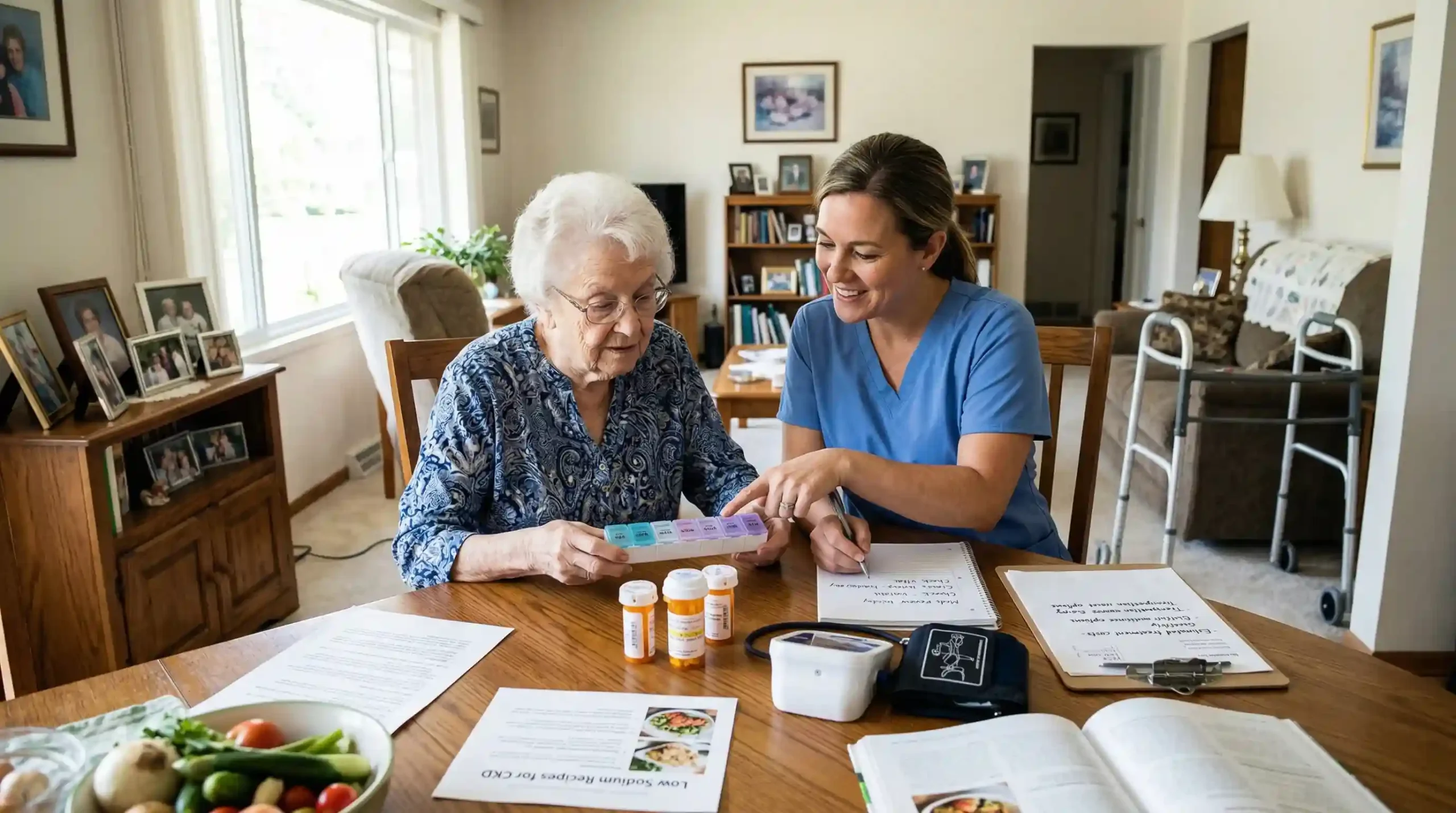
Here’s something a lot of families don’t realize. You don’t always have to choose between a facility and nothing. Sometimes home health care can make a huge difference, either before someone moves to a facility or even while they’re living in one. For example, if your dad is still at home but needs more help than family can provide, senior home health care in Illinois can step in. A home health aide can come a few times a week to help with bathing, meal prep, medication reminders, light housekeeping. A nurse can visit to check vitals, manage wounds, and monitor chronic conditions.
Sometimes this kind of support can delay or even prevent the need for a facility. I’ve seen it work beautifully for families who just needed a little extra help to keep their loved one safe at home. And even if your mom is already in an assisted living facility, home health care services can sometimes provide additional support that the facility doesn’t offer. Like dementia home care in lemont il or daily living assistance for seniors that’s more personalized than what the facility staff can provide on their own.
It’s worth asking about. Especially if you’re in an area like Lemont, where home care lemont il services are available and can really complement what a facility provides.
Families in Illinois often need guidance when deciding between assisted living or skilled nursing care. Valentine Home Health Care helps by providing home health care in Illinois, offering consistent support and daily assistance to seniors, complementing the care they receive in different facilities. They work with families to figure out what kind of help makes sense, whether someone is at home, in assisted living, or transitioning between care settings.
Common Questions Families Ask
Can someone move from assisted living to skilled nursing if their needs change?
Yes. This happens all the time. Assisted living works until it doesn’t. If someone has a stroke, a bad fall, or their dementia progresses to the point where they need full time supervision and medical care, they’ll need to move to a skilled nursing facility. Some campuses have both levels of care, which makes transitions easier.
How much does each type of care cost?
Assisted living is generally less expensive than skilled nursing because the care is less intensive. You might pay anywhere from $3,000 to $6,000 a month for assisted living, depending on location and services. Skilled nursing can run $8,000 to $12,000 a month or more. Medicare sometimes covers short term skilled nursing for rehab after hospitalization, but it doesn’t cover long term custodial care. Medicaid can help with costs in skilled nursing if someone qualifies.
What if my mom refuses to go to a facility?
This is so hard. I’ve been there with families who are desperate because their loved one won’t accept help. Sometimes the best thing you can do is start small. Maybe try elderly home care lemont, il or senior home care in lemont il first, so she gets used to having help at home. Sometimes a crisis, like a fall or hospitalization, forces the decision. And sometimes you just have to make the hard call because keeping her safe is more important than keeping her happy in the moment.
Can someone in a skilled nursing facility ever go back home?
Sometimes, yes. If someone is there for short term rehab after surgery, the goal is absolutely to get them strong enough to go home. But if they’re there because they can’t manage daily living anymore, going home usually isn’t realistic unless you can arrange 24/7 care, which is incredibly expensive and hard to sustain.
How do I know if a facility is good or bad?
Visit. Talk to other families. Ask staff how long they’ve worked there (high turnover is a red flag). Check online reviews, but take them with a grain of salt. Look at state inspection reports. Trust your instincts. A good facility feels calm, clean, and respectful.
What’s the difference between memory care and skilled nursing?
Memory care is a specialized type of assisted living for people with dementia. It’s locked, structured, and staff are trained in dementia care. Skilled nursing also serves people with dementia, but it’s for those who need medical care on top of memory support. Someone with advanced Alzheimer’s who is also bedridden and needs tube feeding would be in skilled nursing, not memory care.
Can I visit anytime?
Most facilities allow visits during reasonable hours. Some skilled nursing facilities have more restrictions, especially if there’s an infection outbreak or if it’s late at night and would disturb other residents. Ask about the visitation policy before choosing a place.
Making Peace with Your Decision
Look, I know this is hard. I know you probably wish your mom could stay in her own home forever, healthy and independent. I know you feel guilty. I know you’re worried about money, about whether she’ll be happy, about whether you’re doing the right thing. But here’s what I want you to know. Choosing the right level of care, whether it’s assisted living or a skilled nursing facility, is one of the most loving things you can do. Because it means you’re looking at the reality of what your loved one needs, not what you wish they needed.
And you’re not alone in this. Families all over Illinois, all over the country, are making these same decisions. They’re visiting skilled nursing facilities in Illinois, talking to home health care providers, trying to figure out how to keep their mom or dad safe and cared for. It’s okay to ask for help. It’s okay to admit you can’t do it all on your own. It’s okay to choose a facility even if it breaks your heart a little. What matters is that your loved one is safe, comfortable, and cared for. Whether that’s in an assisted living apartment where they can still have independence, or in a skilled nursing facility where they’re getting the medical support they truly need. You’re doing your best. And that’s enough. Read more