Introduction
I’ve spent years working with older adults who live with Parkinson’s disease. And one thing I’ve learned is that independence doesn’t look the same for everyone. For some seniors, it means being able to button their own shirt in the morning. For others, it’s walking to the kitchen without help or staying in the home they’ve lived in for thirty years.
Parkinson’s affects movement, balance, and coordination. It makes everyday tasks harder. But that doesn’t mean those tasks become impossible. Families often reach out when they notice their loved one struggling more. Maybe Mom’s hands shake too much to open her medication bottles. Maybe Dad had a close call on the stairs. Maybe the person who used to cook every meal now feels too tired or unsteady to stand at the stove.
That’s when home health care can make a real difference. It’s not about taking over. It’s about stepping in where support is needed so seniors can keep doing what they’re able to do. So they can stay home. So they can hold onto the routines and spaces that matter to them.
This kind of care isn’t flashy. It’s quiet. It’s showing up. It’s helping someone wash their hair when their hands won’t cooperate. It’s walking beside them to the bathroom at 2 a.m. because falling is a real fear. And it works because it meets people where they are.
Understanding Parkinson’s Disease in Seniors
Parkinson’s is a progressive neurological condition. That means it changes over time, and it affects the nervous system in ways that make movement harder to control. The most common symptoms families notice first are tremors. A hand that shakes when it’s resting. A slight tremor in the leg or jaw.
But Parkinson’s does more than cause shaking. It creates stiffness in the muscles. Seniors might move more slowly. Their steps get shorter. Their arms don’t swing the way they used to when they walk. They might have trouble starting to move or stopping once they’ve started. Balance becomes an issue. Many seniors with Parkinson’s have a harder time catching themselves if they start to fall. They might lean forward without realizing it or feel unsteady when they turn.
Fatigue is another big part of this disease. Even simple tasks can feel exhausting. Getting dressed might take twice as long as it used to. And that’s frustrating for someone who’s been independent their whole life. Some people with Parkinson’s also experience changes in their voice, handwriting, or facial expressions. They might speak more quietly. Their face might not show emotion the way it used to, even though they’re feeling everything just fine inside.
And then there are the less visible symptoms. Depression and anxiety are common. Sleep problems, too. Constipation. Difficulty swallowing. It’s a lot. But here’s the thing. Parkinson’s affects everyone a little differently. Some seniors have mostly tremors. Others deal more with stiffness or balance issues. The disease progresses at different speeds. That’s why care needs to be flexible. What works today might need to change in six months. And what helps one person might not help another.
Why Independence Is So Important
When you’ve lived seventy, eighty, ninety years making your own choices, losing that ability feels like losing part of yourself. I’ve seen how much it matters to seniors to do things on their own terms. To wake up in their own bed. To eat breakfast when they want it. To sit in the chair by the window where they’ve read the paper for twenty years.
Independence isn’t just about physical ability. It’s about dignity. It’s about feeling like you still have some control when so much feels out of your hands. For seniors with Parkinson’s, staying independent also helps with emotional health. When someone can participate in their own care, when they can still do some of the things they’ve always done, it keeps their spirits up. It gives them purpose.
And honestly, it can slow decline in some ways. Staying active, even in small ways, helps with mobility. Making decisions keeps the mind engaged. But independence doesn’t mean doing everything alone.
Sometimes families misunderstand this. They think asking for help means giving up. But really, the right kind of support can protect independence. It can keep someone safe enough to stay home instead of moving to a facility. It can give them the energy to do the things that matter most because they’re not wearing themselves out on the things that have become too hard. That’s where home health care comes in.
How Home Health Care Supports Daily Independence
Home health care is exactly what it sounds like. Professional caregivers and nurses who come to a senior’s home to provide support. For families caring for someone with Parkinson’s, this can look like a lot of different things.
Some families need someone to visit a few times a week. Others need daily help. Some need round the clock care. The goal is always the same, though. Help seniors with Parkinson’s stay independent in the ways that matter to them.
A caregiver might help with morning routines. Getting dressed when buttons and zippers are hard to manage. Preparing breakfast when standing at the stove feels risky. Making sure medications are taken on time.
They provide companionship, which matters more than people realize. Parkinson’s can be isolating. Having someone to talk to, someone who understands the disease and doesn’t get impatient when movements are slow, makes a difference.
Caregivers also watch for changes. They notice when walking seems more unsteady than usual. When appetite drops. When someone seems more withdrawn.
And they communicate with families. They let you know what’s happening day to day so you can make informed decisions about care. The beauty of home health care is that it’s flexible. It adjusts as needs change. And it allows seniors to stay in the environment where they feel most comfortable and capable.
Daily Living Assistance That Makes a Difference
The term activities of daily living sounds clinical. But really, it just means the things we all do to take care of ourselves. Bathing. Dressing. Eating. Using the bathroom. Moving around the house.
For someone with Parkinson’s, these tasks can become difficult or even unsafe without support. Take bathing, for example. Tremors make it hard to wash thoroughly. Balance issues make stepping in and out of a tub risky. Fatigue means a shower might leave someone exhausted for the rest of the day.
A caregiver can help in ways that preserve dignity. They might set up a shower chair so the person can sit. Hand them the soap but let them wash themselves as much as they’re able. Stay nearby in case balance becomes an issue.
The same goes for dressing. Parkinson’s makes fine motor tasks harder. Buttons, zippers, shoelaces. These can take forever and cause frustration. Daily living assistance for seniors means helping with the parts that are hardest while letting them do what they can. Maybe that’s choosing their own clothes but needing help getting pants on. Maybe it’s buttoning a shirt while they handle everything else.
Meals are another area where support helps. Tremors can make cutting food difficult. Stiffness might make it hard to lift a fork to the mouth without spilling. Some seniors with Parkinson’s develop swallowing difficulties, which makes eating slower and requires certain food textures.
A caregiver can prepare meals that are safe and nutritious. They can sit with someone during meals to make sure they’re eating enough and not having trouble swallowing. They can make adjustments based on what’s working and what’s not.
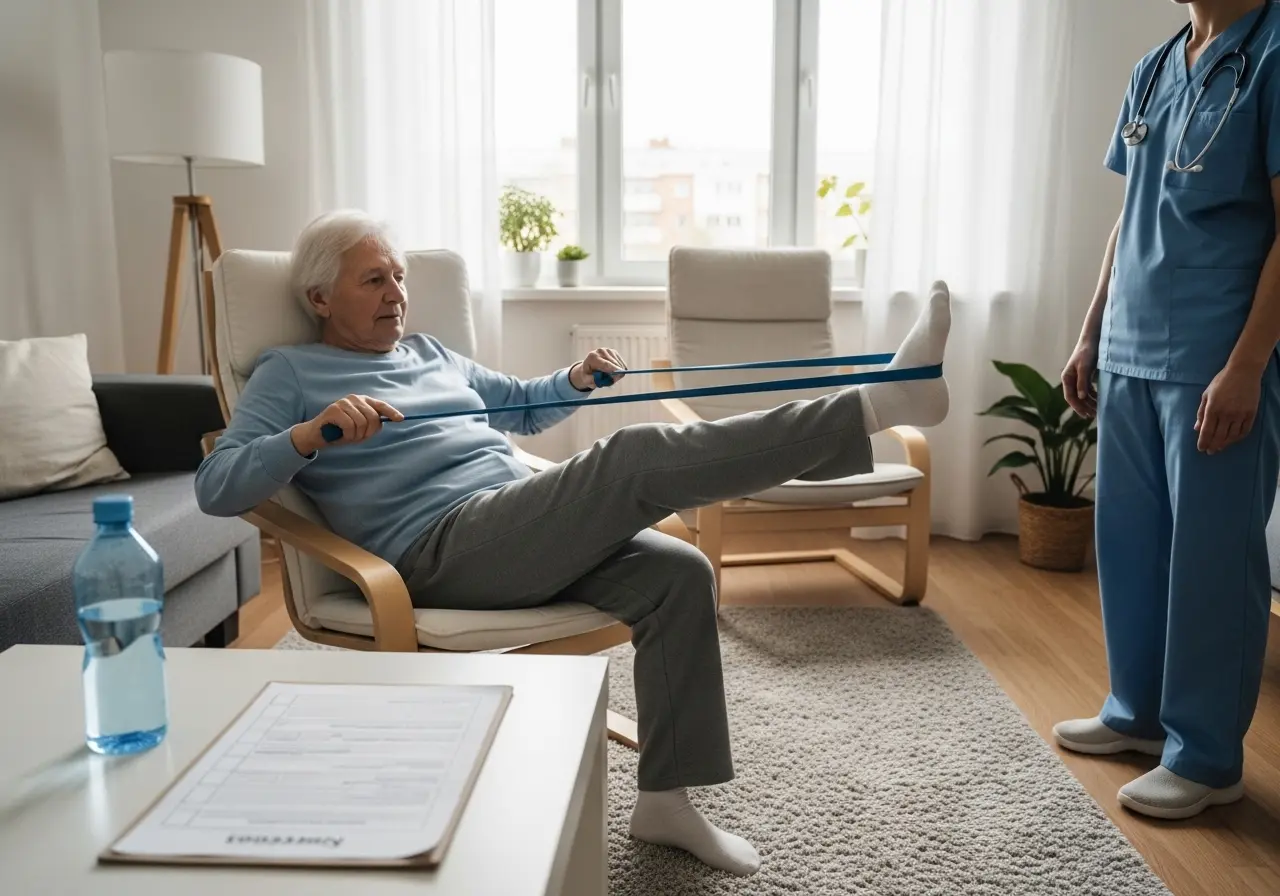
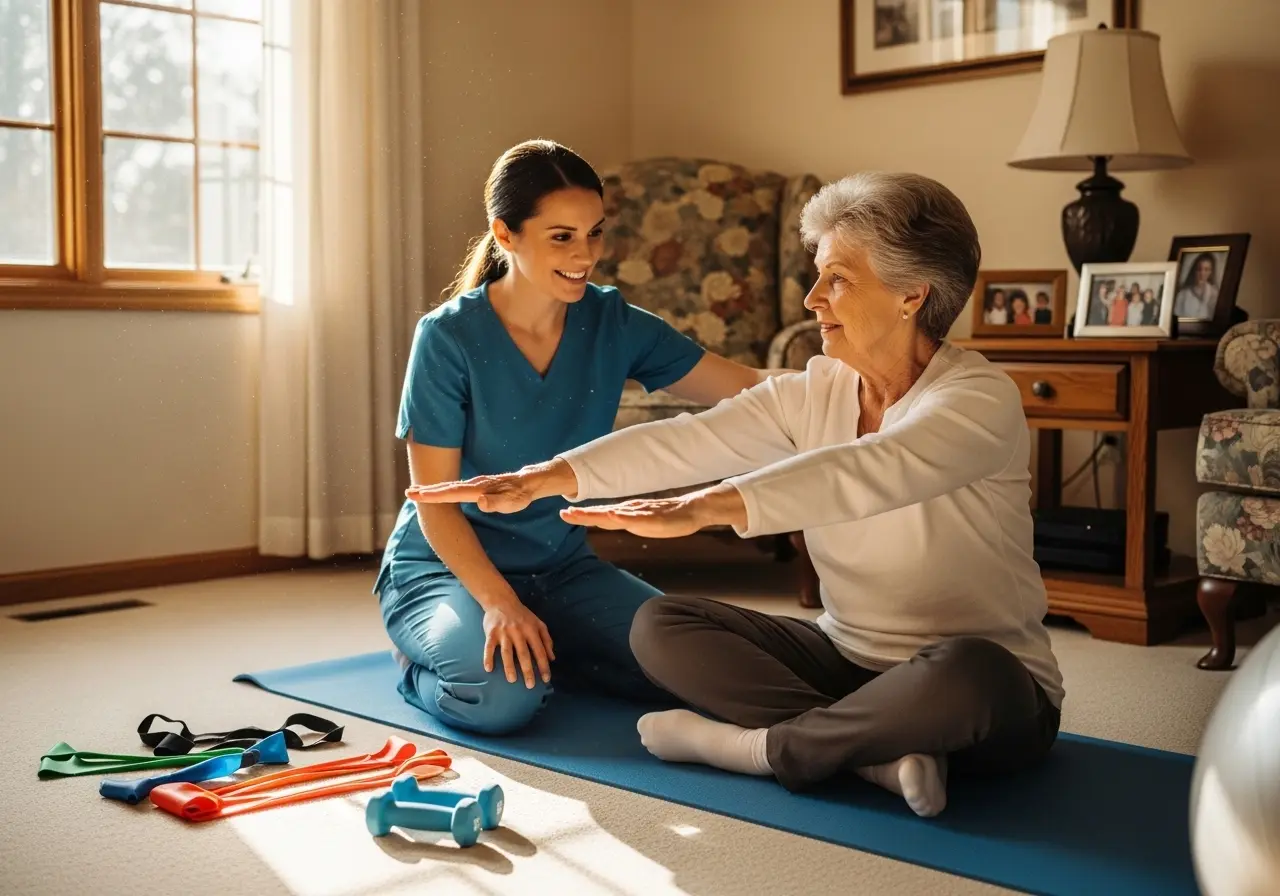
Movement throughout the day matters, too. Parkinson’s makes people want to sit more, but staying active helps with stiffness and balance. A caregiver can encourage gentle movement. Walking around the house. Standing to fold laundry. Small things that keep the body moving without overdoing it.
All of this adds up. When someone has help with the tasks that have become too hard, they have more energy for the things they enjoy. They can focus on staying engaged instead of just getting through the day.
Personalized Care at Home
No two people with Parkinson’s have the exact same needs. That’s why personalized home care services matter so much.
I’ve worked with seniors who needed help mostly in the mornings when symptoms were worst. Others needed more support in the evenings when fatigue set in.
Some people wanted a caregiver who could help with exercises their physical therapist recommended. Others needed someone who understood how to prepare softer foods because swallowing had become difficult.
Personalized care means the plan is built around the person, not the other way around.
It starts with understanding someone’s routine. What time do they usually wake up? What do they like for breakfast? Do they have hobbies they still enjoy? Are there certain times of day when symptoms are better or worse?
Then it’s about figuring out where help is needed most. Maybe it’s medication reminders. Maybe it’s companionship so they’re not alone all day. Maybe it’s hands-on assistance with bathing and dressing.
And it changes. Parkinson’s is progressive, so care plans need to adjust. What worked six months ago might not be enough now. Or maybe someone’s doing better with a new medication and doesn’t need as much help for a while.
Good caregivers pay attention. They notice patterns. They learn what makes someone feel comfortable and capable. They adapt.
That’s what personalized home care services look like in practice. It’s not a one size fits all approach. It’s care that fits the person.
Safety, Fall Prevention, and Mobility Support
Falls are one of the biggest concerns for families caring for someone with Parkinson’s.
Balance problems, shuffling steps, freezing episodes where someone suddenly can’t move all of these increase fall risk.
And for older adults, a fall can mean a broken hip, a hospital stay, a loss of confidence that makes them afraid to move at all.
So safety becomes a priority.
Home health caregivers help with fall prevention in practical ways.
First, they assess the home. Are there rugs that could slip? Cords stretched across walking paths? Poor lighting in hallways or bathrooms? Clutter that’s easy to trip over?
Small changes make a big difference. Removing rugs. Adding grab bars in the bathroom. Making sure there’s a clear path from the bedroom to the bathroom for nighttime trips.
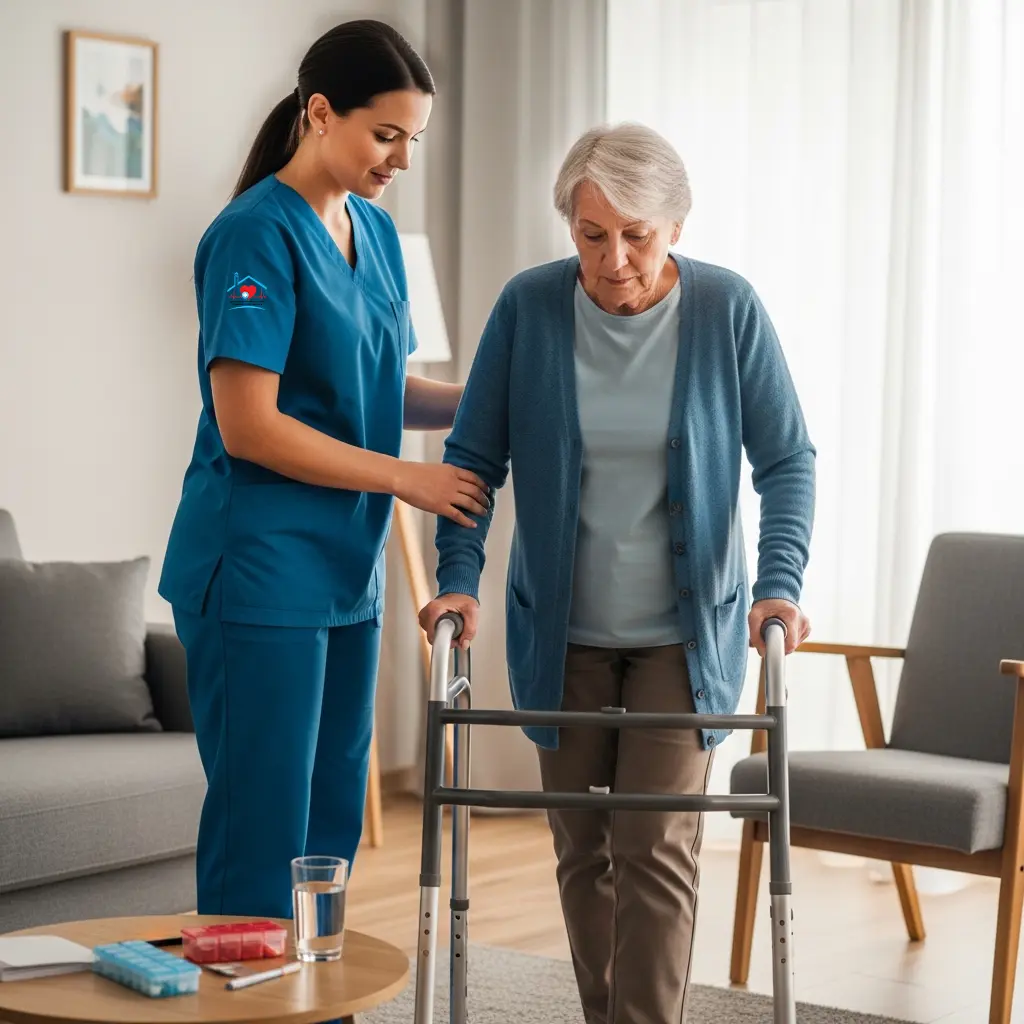
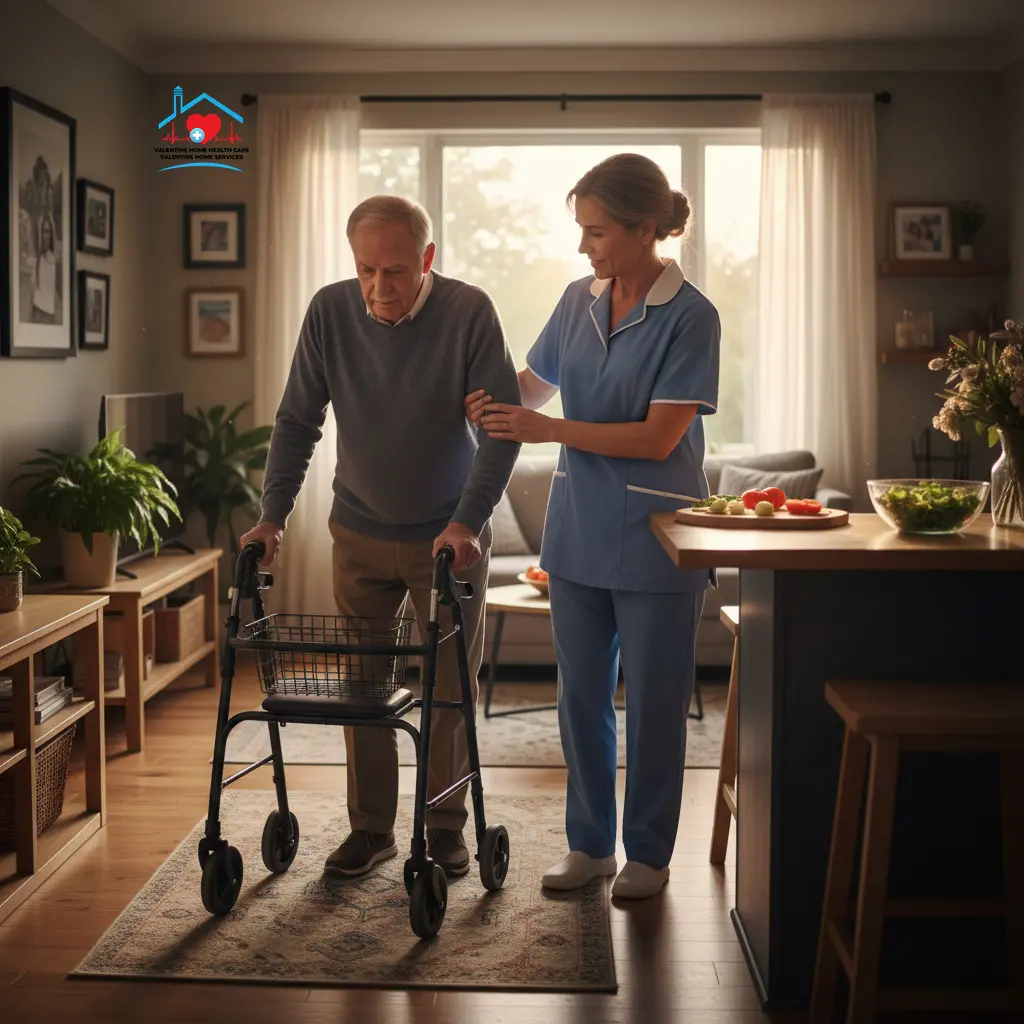
Caregivers also help with mobility directly. They walk with someone when balance is unsteady. They offer an arm for support. They watch for signs that someone’s freezing up and know how to gently help them get moving again.
They encourage the use of assistive devices when needed. A walker. A cane. Some seniors resist these at first because it feels like giving in. But a caregiver can help them see it as a tool that actually gives them more freedom to move safely.
Routines help with safety, too. Regular times for meals, medications, rest. When life has a rhythm, there’s less confusion and fewer risky moments.
And caregivers are trained to respond if something does go wrong. If someone falls, they know how to help them up safely or when to call for medical help.
The goal is always to keep someone moving, keep them active, but do it in a way that minimizes risk.
Medication Reminders and Symptom Monitoring
Parkinson’s medications work best when they’re taken on a very specific schedule.
Miss a dose or take it late, and symptoms can get worse quickly. Tremors increase. Stiffness sets in. Movement becomes harder.
But keeping track of multiple medications, sometimes taken several times a day, is a lot. Especially when Parkinson’s itself can cause memory problems or make it hard to open pill bottles.
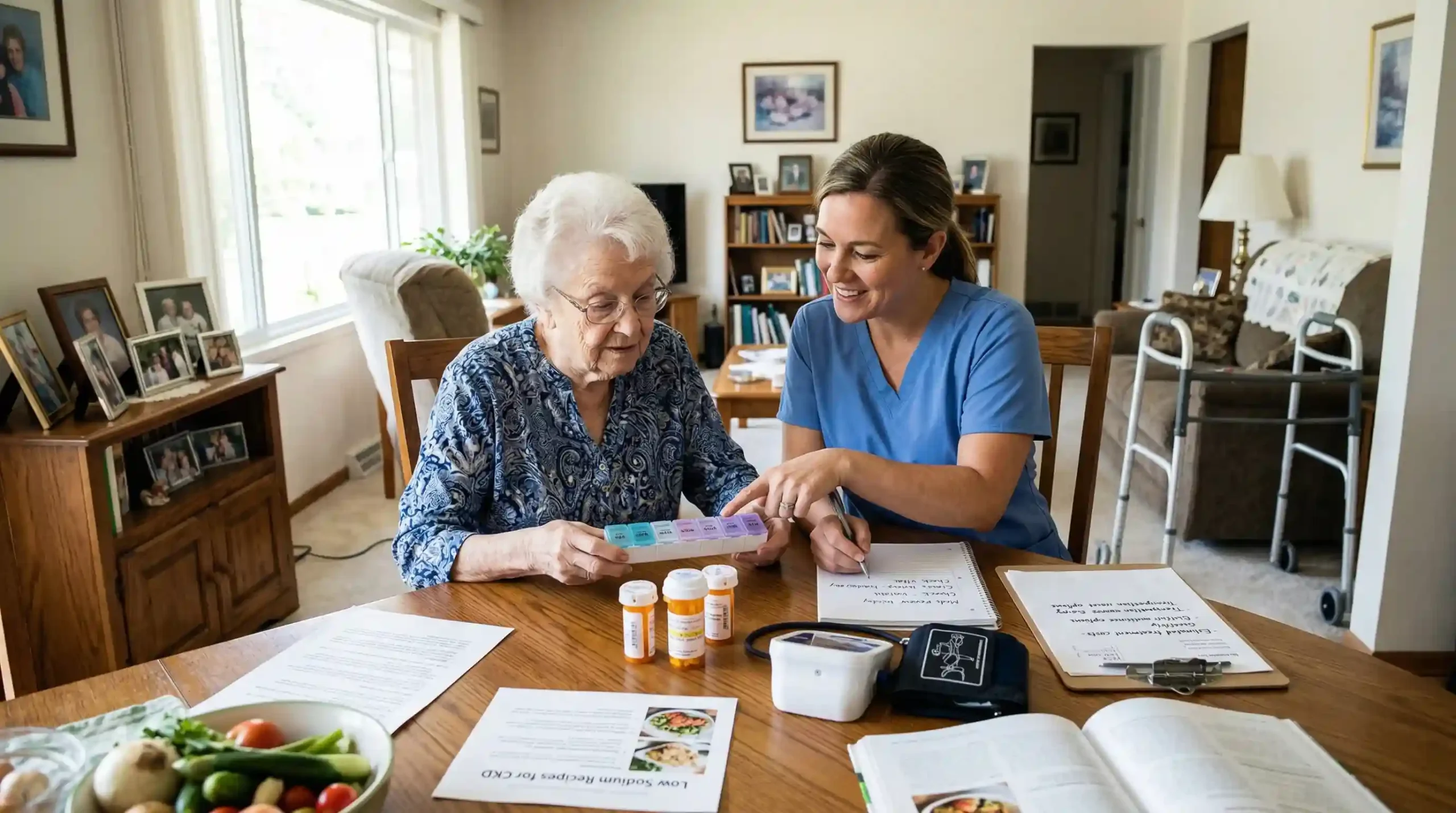
Caregivers provide medication reminders. They set up systems that make it easier. Pill organizers sorted by day and time. Alarms or check-in calls.
They also make sure medications are actually taken, not just set out. Sometimes seniors forget whether they took their pills or not. Having someone there to confirm removes that uncertainty.
Beyond medications, caregivers monitor symptoms.
They notice when tremors seem worse than usual. When someone’s moving more slowly. When appetite drops or sleep patterns change.
These observations matter because they help families and doctors make better decisions about care. Maybe medication needs adjusting. Maybe it’s time to add physical therapy. Maybe symptoms are stable and the current plan is working.
Caregivers aren’t medical experts, but they spend time with someone every day. They see patterns that a doctor might miss during a brief appointment.
And they communicate. They keep families updated. They share concerns with healthcare providers when something doesn’t seem right.
This kind of monitoring helps seniors with Parkinson’s stay independent because it catches problems early, before they become crises.
When Skilled Nursing May Be Needed
Most seniors with Parkinson’s do well with home health care that focuses on daily living assistance and companionship.
But some reach a point where they need more medical oversight.
Skilled nursing means care provided by licensed nurses who can handle more complex medical needs. This might include wound care, managing feeding tubes, IV medications, or other treatments that require medical training.
For someone with advanced Parkinson’s, skilled nursing might be needed if swallowing becomes so difficult that nutrition is a serious concern. Or if there are other medical conditions layered on top of Parkinson’s that require monitoring.
Some families worry that needing skilled nursing means their loved one has to move to a facility. But skilled nursing can often be provided at home, too.
A registered nurse might visit a few times a week to check vitals, adjust care plans, coordinate with doctors, and oversee other caregivers.
If someone does need to move to a facility, that’s okay. It’s not a failure. Sometimes care needs become more than what’s manageable at home, and skilled nursing facilities in Illinois and elsewhere are set up to provide the level of support someone needs.
The important thing is making decisions based on what’s best for the person, not on guilt or what feels like giving up.
Home Care vs Skilled Nursing
Families often get confused about the difference between home care and skilled nursing.
Home care usually means non medical assistance. Help with daily tasks, companionship, light housekeeping, meal prep. Caregivers are trained and experienced, but they’re not nurses.
Skilled nursing means medical care. It requires a licensed nurse or therapist.
Both can happen at home. Both can happen in a facility.
For someone with Parkinson’s, home care is often enough, especially in earlier stages. A caregiver can help with the physical and emotional challenges of the disease without needing medical training.
But as Parkinson’s progresses, medical needs might increase. That’s when skilled nursing becomes necessary.
It’s not an either or situation, though. Many seniors receive both. A caregiver comes daily to help with routines and companionship. A nurse visits weekly to monitor health and medications.
The combination can be really effective. It gives seniors the hands on support they need day to day, plus the medical oversight that keeps them safe.
Insurance and Coverage Basics
Paying for care is a real concern for most families.
Home health care isn’t always cheap, and not everyone knows what’s covered.
Medicare covers some home health services if they’re deemed medically necessary. That usually means skilled nursing or therapy, not just personal care.
If a doctor orders home health care and certifies that someone is homebound, Medicare might cover visits from nurses or therapists. But it typically doesn’t cover full time caregivers.
Medicaid coverage varies by state. In some places, Medicaid will pay for personal care services at home. In others, coverage is more limited.
Private insurance policies differ. Some long term care insurance plans cover home health care insurance costs. Others don’t.
Veterans benefits sometimes help cover home care for seniors who served in the military.
And then there’s private pay. Many families hire caregivers directly or through agencies and cover the cost themselves.
It’s worth looking into all options. Sometimes families find coverage they didn’t know existed. Sometimes they piece together support from multiple sources.
The key is asking questions. Talk to the insurance company. Talk to a Medicare counselor. Talk to care agencies about what they accept.
The cost is real, but so is the value of keeping someone safe and independent at home.
Local Care Context
Families across Illinois caring for a loved one with Parkinson’s often need steady support at home. Valentine Home Health Care works with seniors and families to provide consistent caregiving, nursing oversight, and daily assistance that helps patients maintain routines and independence while living safely at home.
For families in smaller communities, finding reliable home health care services in Lemont and surrounding areas can take some research.
Not every agency has experience with Parkinson’s specifically. Not every caregiver understands the patience required when someone’s movements are slow or when symptoms change day to day.
It’s worth asking agencies about their training. Do caregivers understand Parkinson’s symptoms? Do they know how to help with mobility safely? Can they adapt to changing needs?
Senior home care in Lemont IL and other areas often includes both medical and non medical options. Some agencies offer skilled nursing. Others focus on companionship and daily living assistance.
Across Illinois, home health care in Illinois is regulated, which means agencies have to meet certain standards. That’s a good thing. It means there’s oversight and accountability.
But quality still varies. Some agencies are more responsive than others. Some have caregivers who stay long term. Others have high turnover.
Families should feel comfortable asking questions, meeting caregivers before they start, and speaking up if something isn’t working.
The right fit matters. When a caregiver and client connect well, when there’s trust and respect, care works better.
Common Questions Families Ask
How do I know when it’s time to bring in home health care?
There’s no single right answer, but some signs help. If your loved one has had a fall or a close call. If daily tasks are taking much longer or causing frustration. If you’re noticing they’re not eating well or skipping medications. If you, as a family caregiver, are feeling overwhelmed or exhausted. Sometimes it’s not one big thing. It’s a bunch of small things adding up. Trust your instincts. If you’re wondering whether it’s time, it’s probably worth exploring options.
Will my parents resist having a caregiver in the home?
Maybe. A lot of seniors do it at first. They see it as a loss of independence, even when it’s actually the opposite. It helps to frame it carefully. Talk about how having support means they can stay home instead of moving somewhere else. Let them have input on the schedule and what kind of help they want. Sometimes starting small helps. A caregiver comes just a couple times a week. Once someone sees the benefit and builds trust with the caregiver, resistance often fades.
Can home health care really help seniors with Parkinson’s stay independent?
Yes. When care is done well, it absolutely can. The goal isn’t to do everything for someone. It’s to provide the support they need so they can keep doing what they’re able to do. So they can stay in their home. So they can maintain routines and dignity. I’ve seen it work many times. A senior who was struggling and scared becomes more confident because they know someone’s there to help. They re engage with hobbies. They participate in family events. They feel more like themselves.
What if care needs change quickly?
Good home health agencies adjust. Parkinson’s is unpredictable. Someone might be stable for months and then have a sudden decline. Or a new medication might help and they need less support for a while. Care plans should be flexible. If something changes, talk to the agency. They can increase hours, add skilled nursing visits, change caregiver assignments, whatever’s needed.
How do I find a caregiver who understands Parkinson’s?
Ask agencies directly. Do they have caregivers trained in Parkinson’s care? Can they provide references from other families who’ve used their services for similar needs?
Meet the caregiver before they start if possible. Ask about their experience. See how they interact with your loved one. And know that it might take time to find the right fit. That’s okay. It’s worth the effort to get it right.
Conclusion
Parkinson’s changes things. There’s no getting around that. But it doesn’t have to mean the end of independence. With the right support, seniors with Parkinson’s can stay in their homes. They can keep routines that matter to them. They can hold onto dignity and purpose. Home health care isn’t a perfect solution. It doesn’t cure Parkinson’s or stop progression. But it helps. It makes hard days a little easier. It keeps people safe. It gives families peace of mind. And sometimes, that’s enough. Read more