Introduction
I’ve sat with a lot of families over the years who never thought they’d be looking for a skilled nursing facility. Most of the time, it happens suddenly. A parent falls. There’s a stroke. Someone comes out of surgery and can’t go home yet. And then a hospital social worker or case manager says something like, We’re going to need to find a skilled nursing placement.
And families freeze. Because they don’t know what that means or how it works or how long it takes.
So let me walk you through this the way I would if we were sitting together in a hospital room or at your kitchen table. I’m going to explain what skilled nursing is, who decides if it’s needed, how the admission process actually works, and what you can do to help things move as smoothly as possible.
This isn’t something most people know about until they’re suddenly in the middle of it. But once you understand the steps, it gets a little less overwhelming.
What a Skilled Nursing Facility Actually Is
A skilled nursing facility is not the same thing as an assisted living community or a regular nursing home. I know those terms get used interchangeably sometimes, but they’re different.
Skilled nursing means your loved one needs medical care that’s more than what family members can provide at home. It’s care delivered by licensed nurses RNs and LPNs and sometimes physical therapists, occupational therapists, or speech therapists. It’s ordered by a doctor. It’s documented. It’s medical.
People go to skilled nursing facilities for short term recovery after a hospital stay. Sometimes it’s rehabilitation after surgery. Sometimes it’s wound care or IV antibiotics or help regaining strength after pneumonia or a bad fall. And sometimes. Sometimes it becomes long term care, if someone’s health doesn’t improve enough to go home.
But most families I work with are thinking about short term rehab first. They’re hoping Mom or Dad gets stronger and comes home in a few weeks.
That’s the goal most of the time.
When a Senior Actually Needs Skilled Nursing Care
This usually comes up after something serious happens. I’ve seen it follow hip surgeries, strokes, heart attacks, severe infections, complications from diabetes, or falls that lead to hospitalization.
The hospital treats the immediate problem. But when it’s time to leave the hospital, the person isn’t strong enough or stable enough to go home yet. They might need physical therapy every day. They might need wound care twice a day. They might need monitoring because their blood pressure or blood sugar is still unstable.
That’s when the hospital team starts talking about skilled nursing.
Sometimes families push back. They say, Can’t we just bring her home? We’ll figure it out.
And I understand that. I really do. But skilled nursing isn’t just about having someone nearby. It’s about having trained medical staff available around the clock. It’s about rehabilitation services that insurance will actually cover. It’s about safety.
If someone can’t get to the bathroom safely, can’t manage their medications, or needs nursing care multiple times a day, going straight home might not be realistic yet. That doesn’t mean it won’t happen later. It just means they need more support right now.
Who Decides if Skilled Nursing Is Needed
Families don’t get to decide this on their own. And honestly, the skilled nursing facility doesn’t decide either.
The decision comes from the medical team. Usually it’s the hospital doctor who writes the order. But the process involves a few people:
The attending physician says the patient needs skilled care and writes the order.
The hospital case manager or discharge planner coordinates the referral. They gather medical records, insurance information, and a list of diagnoses and medications. Then they send that packet to potential facilities.
Insurance companies review the information. Medicare, Medicaid, or private insurance has to agree that skilled nursing is medically necessary. If they don’t agree, they won’t pay for it. And that can delay everything.
The skilled nursing facility reviews the referral. They look at what kind of care is needed and whether they can provide it. Some facilities don’t accept certain diagnoses. Some don’t have rehab services. Some are full and not taking new admissions.
So it’s not just one person deciding. It’s a whole process. And that process can take time.
How the Admission Process Actually Works
I’m going to walk through this step by step, because this is where families get confused.
The hospital sends out referrals.
Once the doctor orders skilled nursing, the case manager pulls together the paperwork and sends it to a few different facilities. Sometimes they ask the family which facilities they prefer. Sometimes they just send it to whoever has availability.This part usually happens pretty fast.
The facilities review the referral.
Each facility looks at the medical information and decides if they can accept the patient. They check if they have an open bed. They check if they have the right staff or equipment. They check if the person’s insurance will cover the stay. If a facility can’t accept someone, they send the referral back. That’s frustrating, but it’s common. It doesn’t mean anything is wrong with your loved one. It just means that particular facility wasn’t a match.
Insurance reviews and approves.
Once a facility says yes, the insurance company has to approve the stay. Medicare usually approves pretty quickly if the hospital stay was three days or longer and the person truly needs skilled care. Medicaid can take longer. Private insurance varies. Sometimes insurance approves only a certain number of days at first. Like, they’ll approve one week and then reevaluate.
Transport is arranged.
Once everything is approved, the hospital arranges transport usually by ambulance or medical transport van. And then your loved one moves to the facility.
The whole process can take anywhere from a day to a week, depending on availability and insurance. I’ve seen it happen in 24 hours. I’ve also seen families wait five or six days because no facility in their area had an open bed. It’s hard to predict.
Insurance and Payment Basics
This part causes a lot of confusion, so I’m going to explain it as simply as I can.
Medicare: covers skilled nursing if the person was in the hospital for at least three days (not counting the discharge day) and if a doctor says they need skilled care. Medicare pays 100% for the first 20 days. Then it pays a portion for days 21 through 100, and the patient is responsible for a daily copay unless they have supplemental insurance that covers it.
After 100 days, Medicare stops paying. If the person still needs skilled care after that, they either pay privately or apply for Medicaid.
Medicaid: covers long term care in skilled nursing facilities in Illinois and other states, but it’s based on financial need. If someone doesn’t qualify yet, they might need to spend down their assets first. That’s a whole separate conversation, and it usually involves an elder law attorney.
Private insurance: sometimes covers short term rehab in a skilled facility, but not always. You have to check the policy. And even when it’s covered, there are usually limits maybe 30 days or 60 days.
If someone wants to stay home instead and receive care there, that’s where in-home health care insurance comes in. Some people have coverage for home health through Medicare or private insurance, but it only applies if they meet certain medical criteria. I’ll talk more about that in a bit.
The important thing to know is that insurance drives a lot of this process. If insurance won’t approve the stay, the family either has to pay privately or find another option.
Choosing a Facility
Sometimes families get to choose which skilled nursing facility their loved one goes to. Sometimes they don’t, because only one place has availability or only one accepts their insurance.
But if you do have a choice, here’s what I tell families to think about:
Location: Closer is usually better, especially if you’re planning to visit often. Some families search for skilled nursing facilities near me to see what’s in their area. And that makes sense. You want to be able to get there without a long drive, especially if you’re managing work or other responsibilities.
If you’re in the western suburbs, you might look specifically for a skilled nursing facility lemont il or nearby towns. Location matters more than people realize. It affects how often family can visit, and that affects how the person does emotionally.
Quality of care: You can look up inspection reports and ratings online through Medicare’s Nursing Home Compare website. It’s not perfect, but it gives you a sense of staffing levels, health inspections, and complaints.
Rehab services: If your loved one is there for physical therapy or occupational therapy, make sure the facility has a good rehab program. Some places have full therapy gyms and therapists on staff every day. Some places contract it out and therapy is more limited.
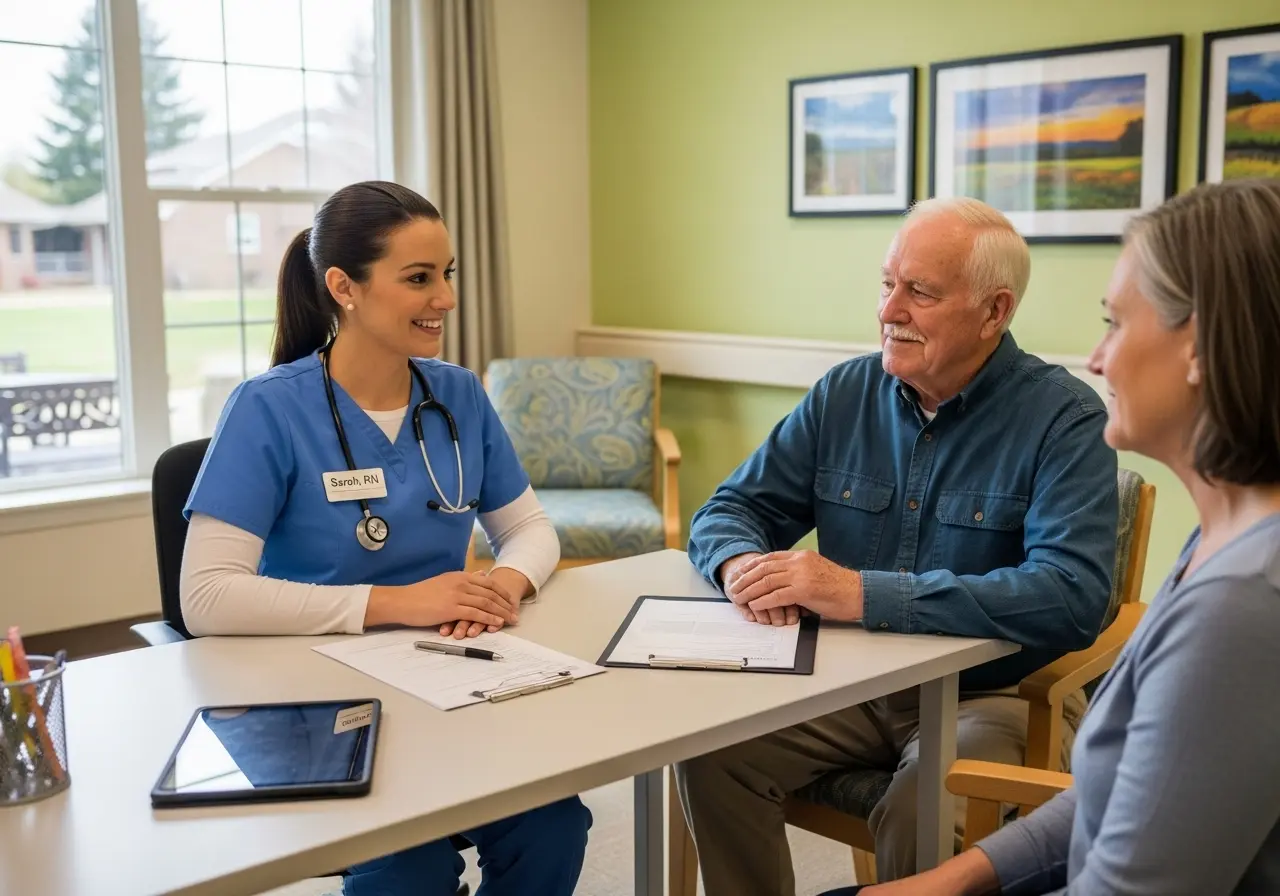
Staff and atmosphere: If you can, visit before the person is admitted. Walk through. Talk to staff. See how it feels. You can tell a lot just by watching how the staff interact with residents.
I know that visiting ahead of time isn’t always possible, especially if the admission is urgent. But if you can, it helps.
Skilled Nursing Facilities in Illinois: What Families Should Know
Illinois has a lot of skilled nursing facilities, especially in and around Chicago and the suburbs. But availability changes constantly. A facility that had open beds last month might be full this month. A facility that didn’t accept a certain insurance last year might accept it now.
That’s why the hospital case manager’s role is so important. They know which facilities are taking admissions and which aren’t.
If you’re looking in a specific area say, you want senior home care in lemont il or nearby you can ask the case manager to focus the search there. They’ll still send referrals to multiple places, but they can prioritize location if that’s what matters to your family.
One thing I’ll mention: some families confuse skilled nursing with other kinds of senior care. They hear nursing home and think it’s the same as assisted living or memory care or elderly home care lemont il. But those are different levels of care. Skilled nursing is medical. The others are more about daily living support.
If someone doesn’t need medical care but does need help at home, that’s where services like home health care in Illinois come in. I’ll explain that difference in a minute.
Skilled Nursing vs Home Health Care
This is one of the most common questions I get: Can’t we just bring him home and have nurses come to the house?
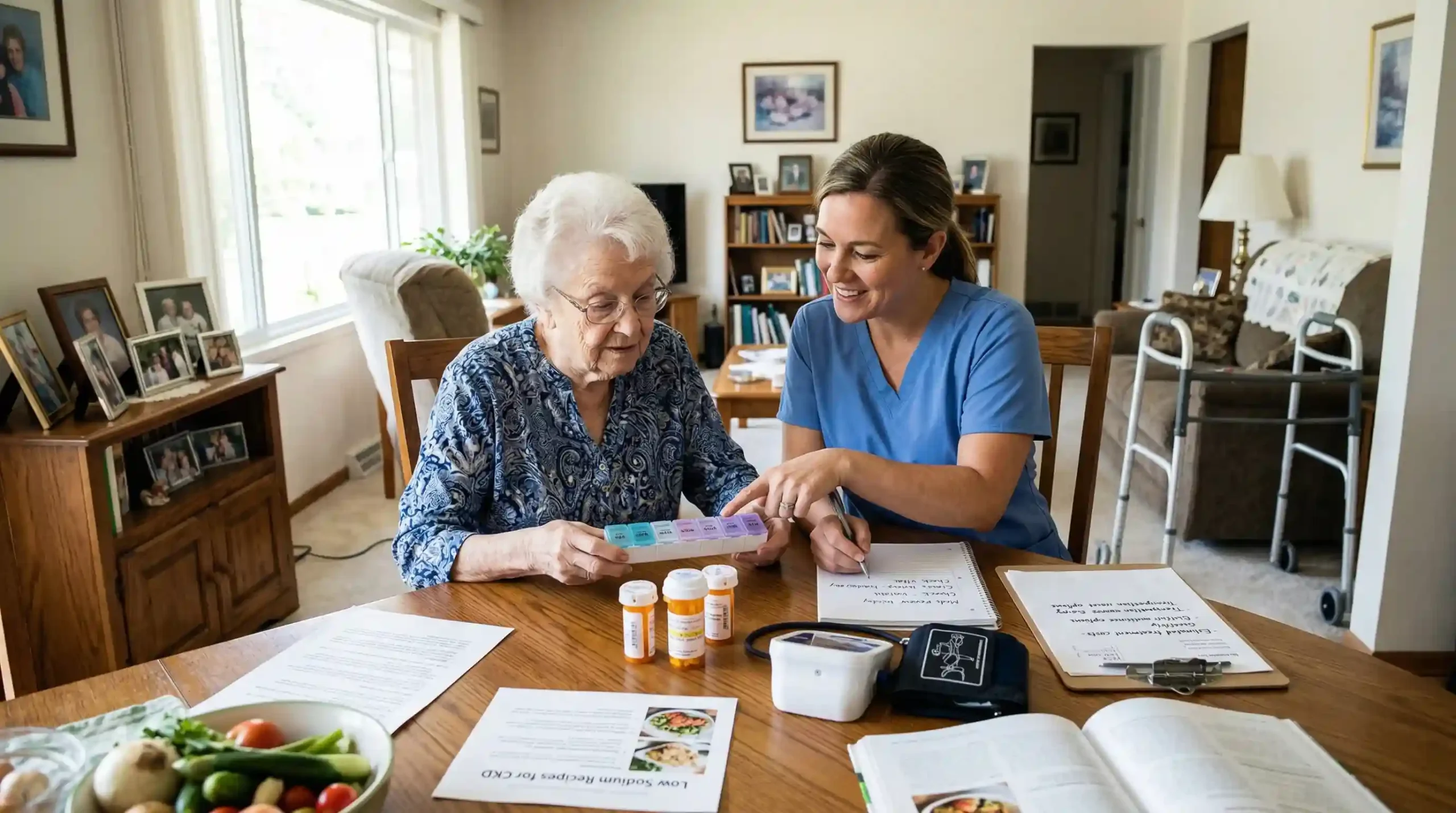
Sometimes, yes. Sometimes, no. Home health care is medical care delivered in the person’s home by nurses, therapists, or aides. It’s covered by Medicare if the person is homebound and needs skilled care things like wound care, IV therapy, physical therapy, or monitoring after a hospitalization.
But here’s the thing: home health is part time. A nurse might come three times a week. A physical therapist might come twice a week. There’s no one there 24 hours a day.
Skilled nursing facilities provide round the clock care. If someone falls in the middle of the night, staff is right there. If someone needs help every time they get out of bed, staff is available. If medications need to be given four times a day, that’s handled.
So the question isn’t really Which is better? The question is: What level of care does this person need right now?
If they can be safe at home with part time support, home health might work. But if they need more intensive care or supervision, skilled nursing is the safer option.
Families across Illinois often explore skilled nursing after a hospitalization or serious illness. Valentine Home Health Care supports seniors who qualify for care at home, helping families understand when skilled nursing is needed and when senior home health care in Illinois may be a safe option.
Common Delays and Mistakes Families Face
I’ve seen certain things slow down the process over and over again. Not because anyone did anything wrong, but just because families didn’t know.
Not having insurance information ready
If the hospital doesn’t have accurate insurance details, the whole process stalls. Make sure they have the correct policy numbers and know whether the person has Medicare, Medicaid, or private insurance.
Waiting too long to make decisions
Sometimes families need time to process what’s happening, and I completely understand that. But the hospital is under pressure to discharge patients as soon as they’re medically stable. If a family delays choosing a facility or signing paperwork, the person might get discharged to a facility that wasn’t their first choice, just because time ran out.
Not understanding Medicare’s three day rule
If someone is in the hospital for observation instead of admission, those days might not count toward the three day requirement. That can mean Medicare won’t cover skilled nursing. It’s confusing, and it’s not the family’s fault, but it happens.
Expecting immediate answers
I wish I could tell families exactly how long the process will take, but I can’t. Some admissions happen in a day. Some take a week. Availability, insurance approvals, and medical complexity all affect timing.
Not asking questions
If you don’t understand something, ask. Ask the case manager. Ask the facility. Ask the insurance company. This process is complicated, and no one expects you to know how it works ahead of time.
What Families Can Do to Prepare
If you know your loved one might need skilled nursing maybe they’re having surgery soon, or they’re in the hospital now and the team is starting to talk about discharge here’s what helps:
Gather insurance cards and information. Know what coverage they have.
Make a list of facilities you’d be willing to consider. You can search online or ask the case manager for recommendations. If location matters, mention that early.
Ask the case manager to explain the timeline. When will referrals go out? How long does insurance take to approve? When is the expected discharge date?
Visit facilities if you can, even if it’s just a quick walk through.
Talk to your family about what your loved one would want. Sometimes one family member wants to push for home care and another thinks skilled nursing is safer. It helps to have those conversations before decisions need to be made.
Stay in touch with the case manager. They’re coordinating a lot, and sometimes things move fast. If they call or email, respond as soon as you can.
And, be gentle with yourself. This is hard. You’re making decisions under pressure, often while dealing with your own worry and exhaustion. You’re doing the best you can.
Common Questions Families Ask
How long will my loved one be in skilled nursing?
It depends. Some people stay two weeks. Some stay several months. It depends on their diagnosis, their progress in therapy, and what insurance approves. Medicare covers up to 100 days if skilled care is still needed, but most people don’t stay that long.
Can we visit anytime?
Most facilities have visiting hours, though some are more flexible than others. During COVID, visitation was heavily restricted, and some facilities still have policies in place. It’s worth asking about that when you’re choosing a facility.
What if we don’t like the facility?
You can request a transfer to a different facility, but it’s not always simple. Insurance has to approve it, and the new facility has to have space. It’s easier to transfer if the care isn’t meeting medical standards, but if it’s just about preference, it can be harder.
What happens if insurance stops paying?
If Medicare stops covering the stay and the person still needs care, the family either pays privately or applies for Medicaid. If they don’t qualify for Medicaid and can’t pay privately, they’ll need to discharge home or find another arrangement.
Can someone go from skilled nursing back to home?
Yes. That’s actually the goal most of the time. Once the person is stable and strong enough, they can go home. Sometimes they continue with home health care for a while. Sometimes they don’t need any more services.
What’s the difference between skilled nursing and a nursing home?
Skilled nursing is medical care, usually short term. A nursing home is long term residential care. Some facilities provide both, which is why the terms get mixed up. But skilled nursing is specifically about medical needs.
Can someone refuse to go to skilled nursing?
If the person has capacity to make their own decisions, yes, they can refuse. But if a doctor says they’re not safe to go home, insurance might not cover home health, and the family is left trying to figure out care on their own. It’s a difficult situation.
A Few Final Thoughts
I know this process feels like a lot. And I know it’s happening at a time when you’re already worried and tired. But I’ve walked through this with a lot of families, and most of them get through it. The admission happens. Their loved one settles in. Therapy starts. And little by little, things start to feel less chaotic.
You don’t have to know everything right now. You just have to take it one step at a time. Ask questions. Lean on the hospital case manager. Trust that the medical team is working to find a safe place for your loved one. And know that it’s okay to feel overwhelmed. This isn’t something you were supposed to know how to do. You’re learning as you go, and that’s enough. Read more