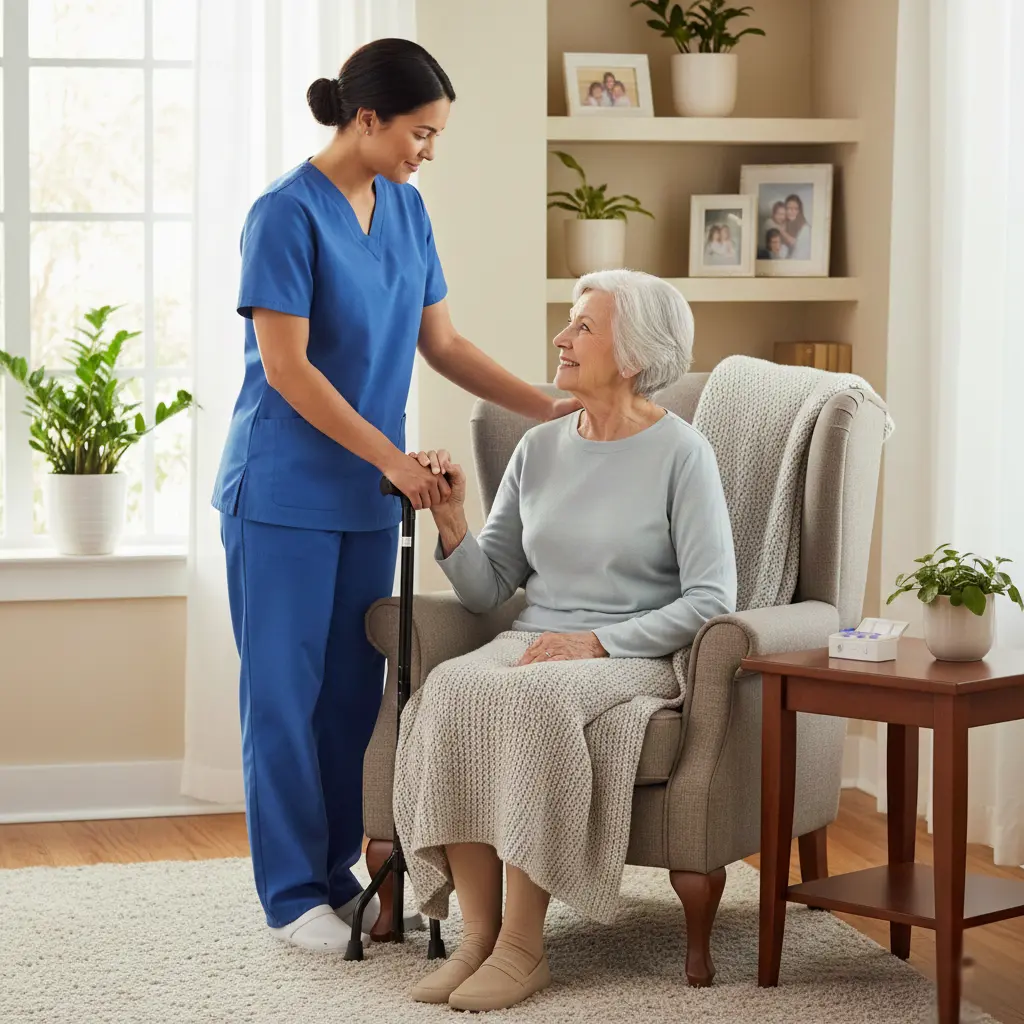
Sitting With Families at the Kitchen Table
I’ve had this conversation so many times. Usually it happens at a kitchen table. Sometimes in a living room with the TV turned down low. Sometimes in a hospital room right before discharge. The family is tired. Worried. Trying to be polite while their heads are spinning. They lean in and ask, quietly, Do you think we can do this at home?
And I pause. Because that question is never just about care. It’s about fear. And love. And guilt. And wanting to do the right thing without breaking yourself in the process. When a loved one has a neurological condition, everything feels uncertain. Things don’t always follow a straight line. Some days are good. Some days feel like you’re back at the beginning again. Families start wondering if home care is enough, or if a facility would be safer, or if they’re already failing somehow.
So let’s talk through this. Slowly. Honestly. No sales talk. No pressure. Just real life and what I’ve seen.
Why Families Even Start Asking About Home Care
Most families don’t wake up one morning and say, Let’s get home care.
Usually, something happens.
- A fall.
- A hospital stay that doesn’t end the way everyone hoped.
- A new diagnosis that changes what normal looks like.
Or sometimes it’s quieter than that. A slow realization that mom can’t manage her medications anymore. That dad isn’t safe showering alone. That your spouse is getting confused at night and you’re not sleeping because you’re listening for movement.
Families often tell me, We thought we could handle it. And we did for a while. That’s not failure. That’s reality. Neurological conditions tend to ask more of people over time. And they don’t always ask nicely.
Understanding Neurological Conditions, Without the Medical Jargon
When doctors explain neurological conditions, they often use big words. Families nod, but later tell me they didn’t really understand what it means for daily life. So here’s how I explain it. Neurological conditions affect the brain, the spinal cord, or the nerves. Those systems control movement, memory, speech, emotions, balance, swallowing pretty much everything we rely on without thinking. When something goes wrong there, it doesn’t just affect one thing. It ripples.
Stroke
With stroke, I’ve seen people go from fully independent to suddenly needing help with basic things. Sometimes it’s one side of the body that’s weak. Sometimes speech doesn’t come out right. Sometimes memory is patchy. Recovery can happen. I’ve seen amazing progress. But it’s often slow, uneven, and exhausting. Families expect improvement in a straight line. It rarely works that way.
Parkinson’s Disease
Parkinson’s is sneaky. Early on, it might just be a tremor. Then the balance changes. Walking slows. Getting dressed takes longer. Later, speech softens. Swallowing can become tricky. I’ve watched families struggle because they didn’t realize how much support Parkinson’s can require over time.
Alzheimer’s and Other Dementias
This one hits families hard. At first, it’s forgetfulness. Then judgment changes. Then safety becomes an issue. I’ve seen people who were gentle their whole lives become suspicious or angry, not because they want to be, but because their brain is changing. Families often say, This isn’t who they are. And they’re right. It’s a disease.
Multiple Sclerosis (MS)
MS can be unpredictable. Some days are okay. Some days aren’t. Fatigue can be crushing. Weakness comes and goes. I’ve seen patients who look fine one week and struggle the next. That uncertainty can be one of the hardest parts.
Other Brain and Nerve Conditions
Brain injuries, ALS, epilepsy, neuropathy all bring their own challenges. But the common thread is this: daily life changes in ways families don’t always expect.
What Daily Life Really Looks Like With a Neurological Condition
This is the part families don’t always get warned about.
It’s not just the diagnosis. It’s day to day.
Mobility Changes
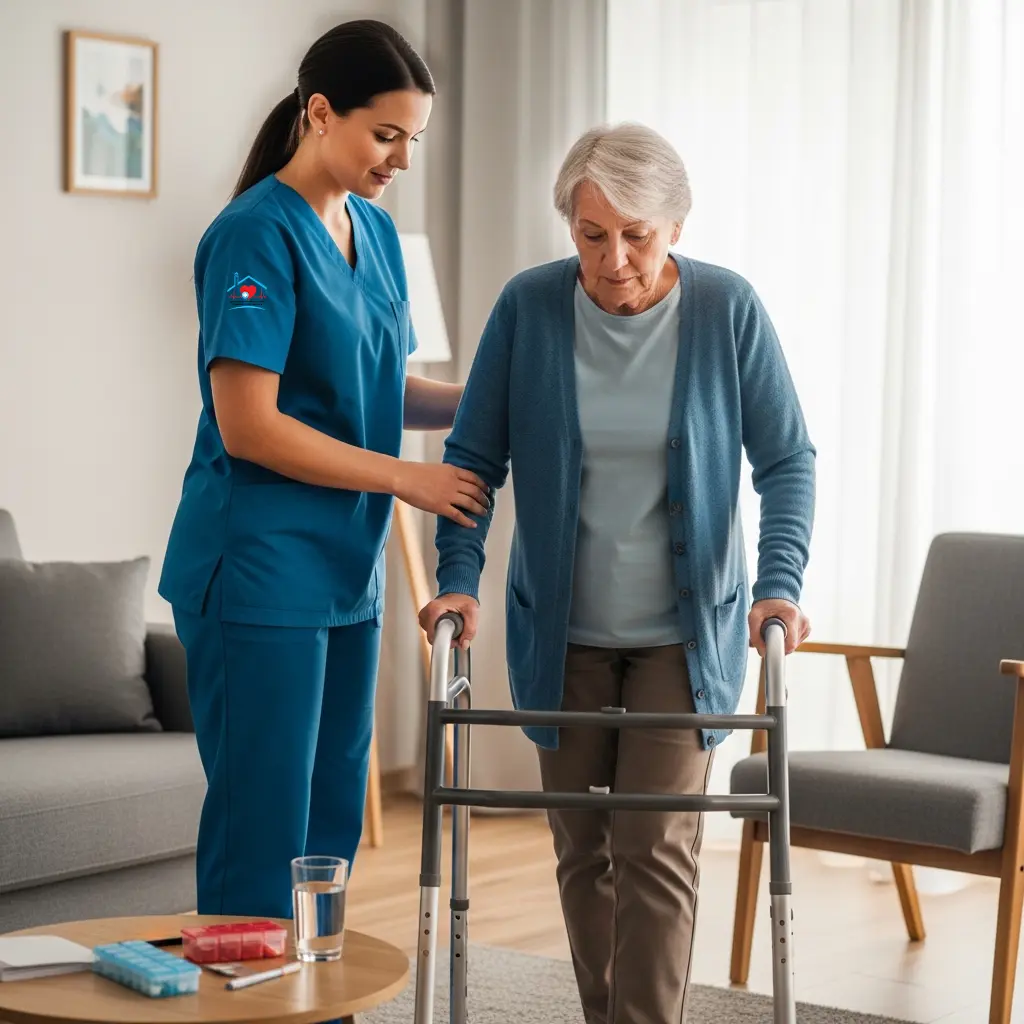
Walking can become unsafe. Standing up takes effort. Transferring from bed to chair suddenly needs two people instead of one. I’ve seen families shocked by how quickly falls become a concern. Even people who look strong can be at high risk because their balance or reaction time is off.
Memory and Thinking
This part hurts. Loved ones forget conversations you just had. They misplace things and accuse others. They forget how to do tasks they’ve done their whole lives. Families often feel rejected or unappreciated, not realizing it’s the condition talking.
Speech and Communication
Some patients know exactly what they want to say but can’t get the words out. Others speak clearly but don’t understand what’s being said to them. That disconnect can be frustrating on both sides. I’ve seen families argue when really no one is at fault.
Emotional Changes
Mood swings. Anxiety. Depression. Irritability, I’ve had patients cry because they know something is wrong but can’t explain it. I’ve had others lash out because they’re scared and embarrassed. Families need support here, too. This isn’t just bad behavior.
Safety Concerns
Leaving the stove on. Wandering at night. Forgetting medications. Trying to shower alone when it’s not safe anymore. These are the moments when families start losing sleep.
Why Home Care Often Makes Sense
So, is home care always the answer?
No. I won’t say that. But for many neurological patients, it’s a very good option.
Familiar Spaces Matter More Than You Think
I’ve watched patients become more confused and agitated in facilities simply because nothing feels familiar. Different faces. Different routines. Different sounds. At home, they know where the bathroom is. They know the couch. They know the smells and the light through the window in the morning. That comfort can reduce confusion and anxiety, especially with dementia and Parkinson’s.
Routines Help the Brain
Neurological conditions often respond better to routine. Same waking time. Same meals. Same environment. Home care works around the person, not the other way around.
One on One Attention
In facilities, staff are stretched thin. That’s not a criticism, it’s just reality. At home, care is focused on one person. Needs are noticed faster. Changes are caught earlier. That can make a big difference.
Family Connection Stays Strong
Home care doesn’t replace families. It supports them. I’ve seen families finally breathe again once they’re not doing everything alone.
What Home Health Care Actually Looks Like
This is where I clear up a lot of misunderstandings. Home health care for Neurological Condition isn’t just someone checking in. It’s layered support.
Nursing Care
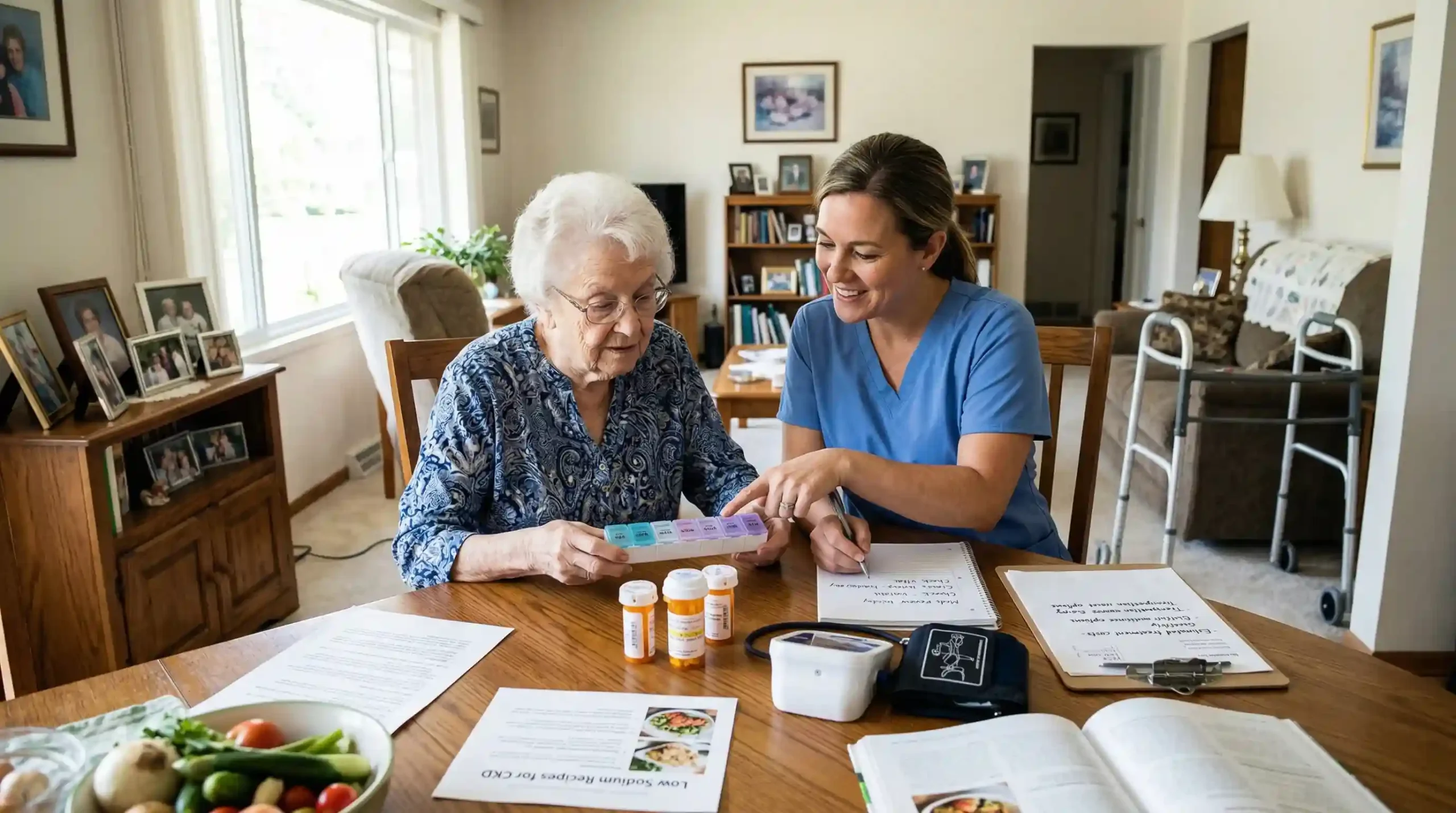
Nurses come in to assess, monitor symptoms, manage medications, and watch for changes. They explain things. Over and over if needed. They answer the same questions patiently because families are overwhelmed. I’ve caught infections early. I’ve adjusted care plans when things weren’t working. That matters.
Therapy Services
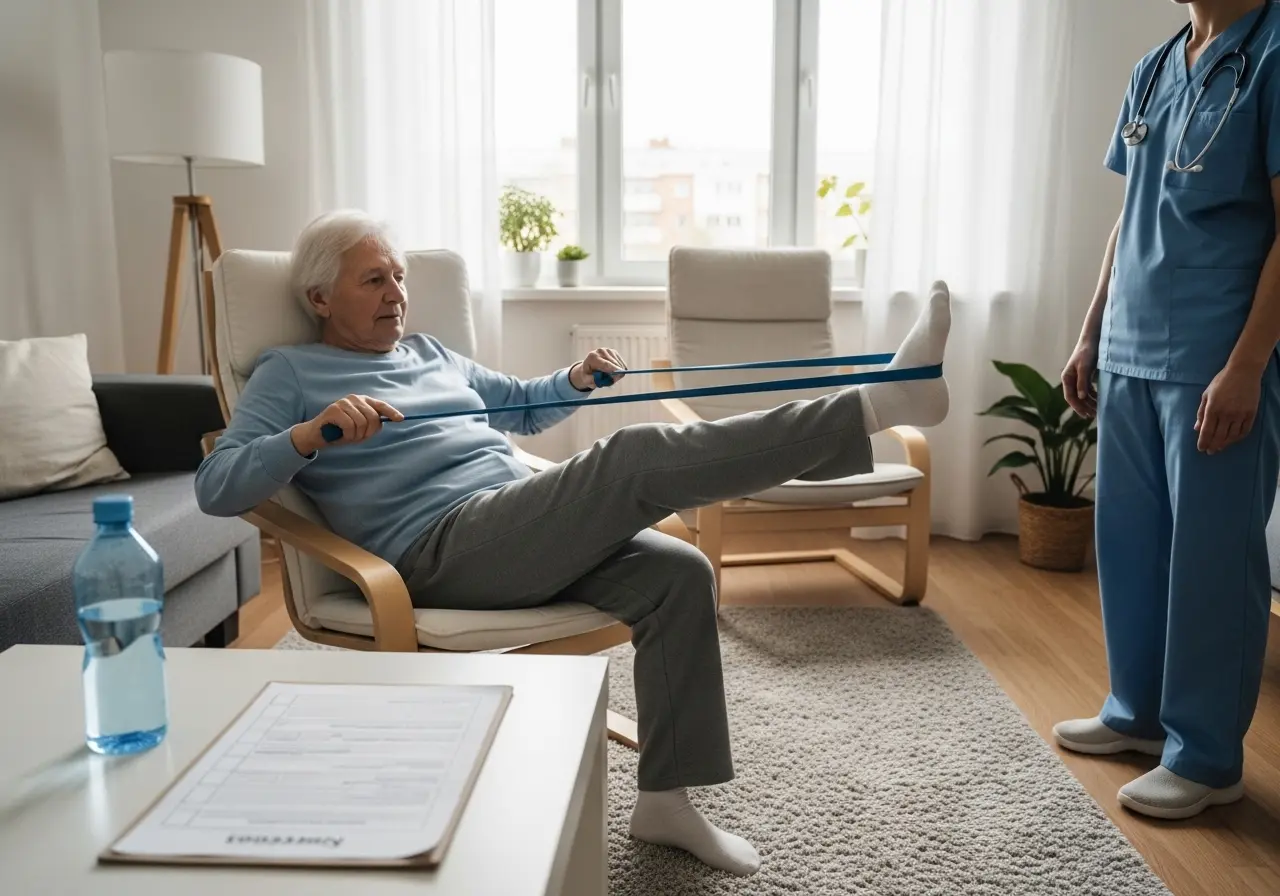
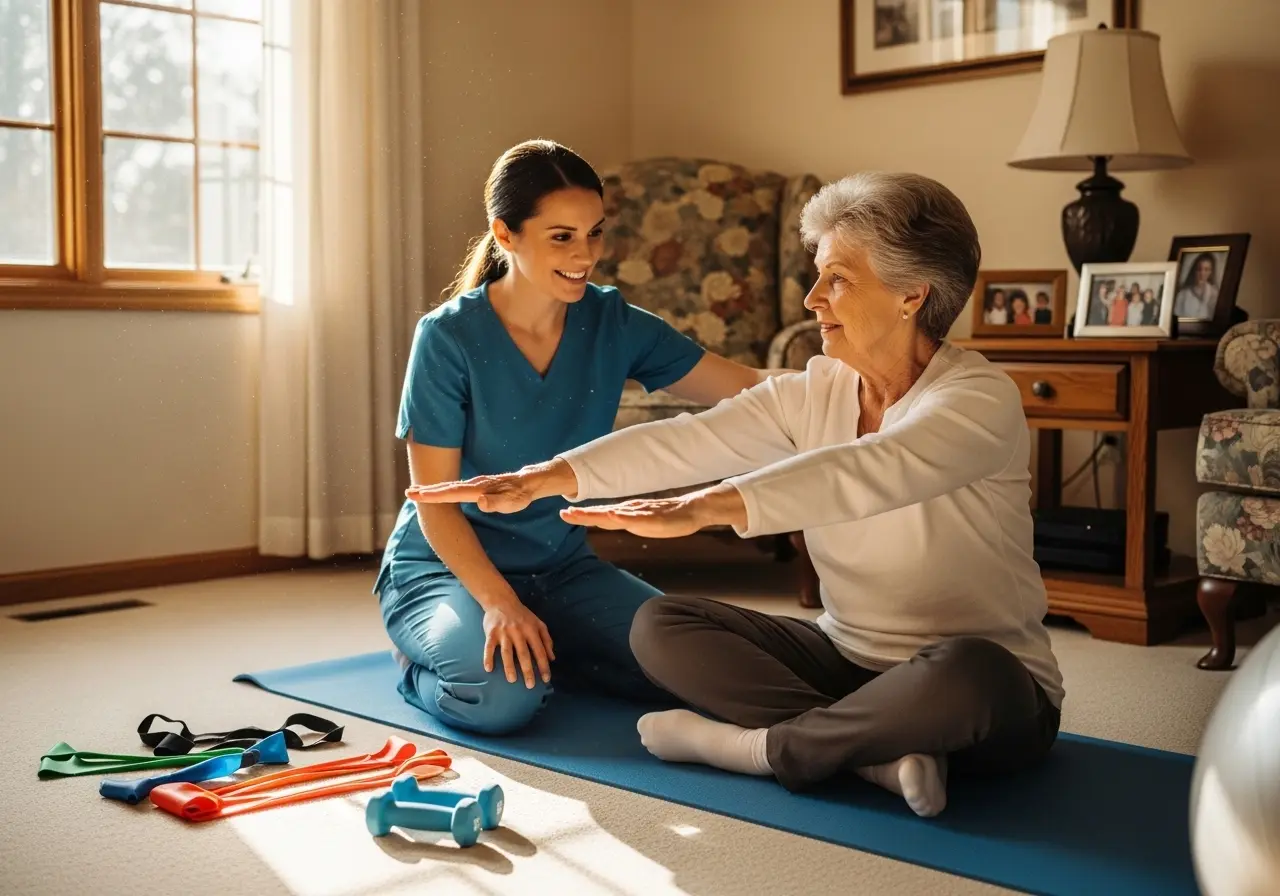
- Physical therapy helps with strength and balance.
- Occupational therapy helps with daily tasks like dressing and bathing.
- Speech therapy helps with communication and swallowing.
Doing this at home means therapy is tailored to real life. Not a gym. Not a hallway. Your actual home.
Daily Assistance
Home health aides help with bathing, grooming, meals, and mobility. This is where dignity is protected. No rushing. No embarrassment.
Ongoing Observation
Sometimes the biggest benefit is having trained eyes in the home. Changes get noticed. Problems get addressed before they become emergencies.
Skilled Nursing and Medical Support at Home
- Some families worry that home care isn’t medical enough.
- But skilled nursing at home can handle a lot.
- Medication management. Symptom monitoring. Wound care. Education.
In some areas, families specifically look for Skilled nursing in Rockford, Illinois because they want experienced nurses managing complex neurological care at home. The key is matching services to needs.
Safety, Mobility, and Daily Living Support
This is where home care often makes the biggest difference.
- Fall prevention. Safe transfers. Supervised bathing.
- Medication reminders so doses aren’t missed or doubled.
- Eating support for swallowing issues.
These things prevent hospitalizations. I’ve seen it again and again.
Supporting the Family, Not Just the Patient
This part doesn’t get talked about enough. Caregivers burn out. They love their person, but they’re exhausted. Emotionally and physically. Home care gives families space to rest. To sleep. To be a spouse or child again, not just a caregiver. I’ve had family members cry with relief once help was in place. Not because they didn’t care. Because they finally weren’t alone.
Valentine Home Health Care in Illinois
Families across the state face these same challenges. Valentine Home Health Care supports patients with neurological conditions by providing nursing care, therapy, and daily assistance in the home. Their role is to help families navigate long term needs while keeping patients safe and comfortable at home. Access to home health care in Illinois allows many people to stay where they feel most secure.
Depending on location, families may look into health care services in Naperville, Home care services in Galena Illinois, home health care services in lemont, Illinois, or home care lemont il. Others search for the best home health care in Chicago, Illinois or the best home caregiver in Peoria, Illinois. The names matter less than the quality, consistency, and trust.
Questions Families Ask Me All the Time
Is home care really safe for neurological patients?
Yes, when it’s done right. Familiar environments often reduce risks.
What if things get worse?
Care plans can change. Services can increase. You’re not locked in.
Will my loved one accept help?
Sometimes yes. Sometimes not right away. Skilled caregivers know how to build trust slowly.
Can we still be involved?
Absolutely. Home care supports families, it doesn’t replace them.
Is it okay to feel overwhelmed?
Yes. That feeling is more common than you think.
Sitting With You at the End of the Conversation
When families ask me if home care is the right choice, I don’t give a quick answer. I ask questions. I listen. But I will say this. For many people living with neurological conditions, home is where they do best. It’s where routines make sense. Where dignity is preserved. Where families can stay connected without burning out. Home health care for Neurological Condition isn’t about doing everything perfectly. It’s about creating support where life is actually happening.
And well sometimes it doesn’t go exactly as planned. That’s okay. Care adapts. People adapt. You don’t have to decide everything today. You just have to know you’re not wrong for asking. Read more