My neighbor Sarah called me at 11 p.m. last Tuesday. Her father had fallen again trying to get to the bathroom. He was okay, just bruised and shaken. But she was done. Completely done. I can’t keep doing this, she sobbed into the phone. I have three kids. My boss is threatening to fire me. I haven’t slept through the night in six months. But how can I put him in a home?
If you’re reading this right now, you probably know exactly how she feels. Nobody prepares you for this part of life. One day your parents are fine. The next day you’re getting calls from neighbors about Dad wandering around outside confused at 3 a.m. Or you visit Mom and realize she’s been eating crackers for three days because she forgot how to work the stove. I’ve been working in senior care for sixteen years. I’ve sat with hundreds of families trying to figure this out. I’m going to tell you what actually works, what doesn’t, and how to find care that genuinely helps instead of just sounding good on paper.
Understanding Home Care Services
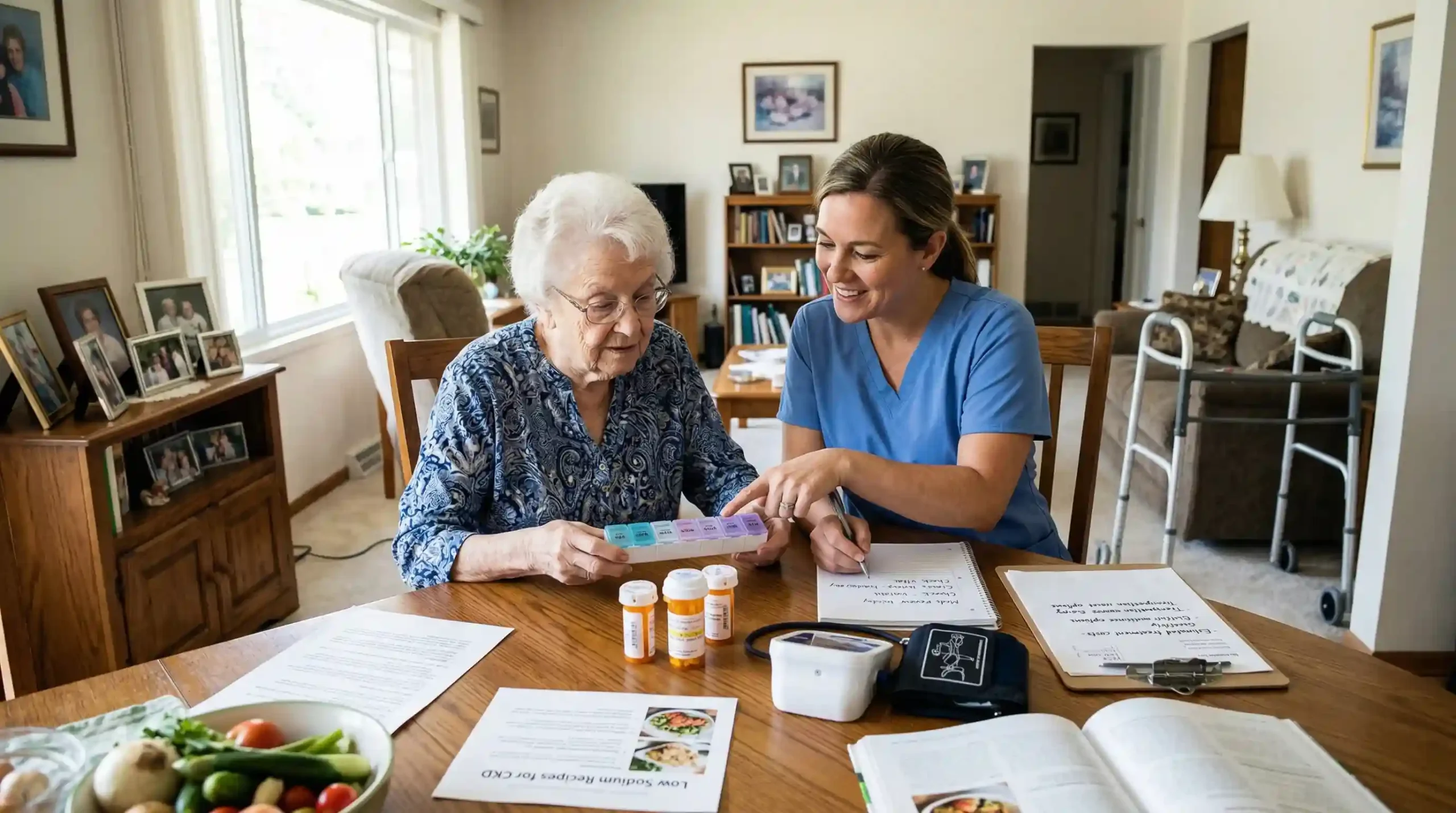
Home care is simple. Help comes to your parents instead of your parents going somewhere else. They stay home. Their bed. Their kitchen. Their neighborhood. Their life. Someone comes to assist with whatever they can’t do safely alone anymore. Sometimes it’s medical. A nurse stops by to check blood sugar, change dressings, sort out medications. Sometimes it’s basic daily stuff. Help getting dressed, taking a shower, making lunch. Often it’s both.
My uncle fought home care for months. He insisted he was fine. Then his neighbor found him passed out in his garden because he’d taken double his heart medication by accident. After that, having a nurse visit three times a week didn’t seem so bad. Most older people want to stay home. Every survey, every study shows this. Home care makes it possible without putting them in danger. The mistake families make is waiting until there’s a catastrophe. Don’t wait for the fall, the medication error, the kitchen fire. If you’re worried enough to be reading this, you’re probably ready to at least explore options.
Types of Home Care Services
Different families need different things. Let me break down what exists.
- Skilled nursing care: means a licensed nurse comes to the house for medical stuff. Wound care. IV medications. Insulin injections. Monitoring diabetes, heart failure, COPD. Teaching families how to manage medical equipment. When people search for home health care services in lemont or anywhere else, this medical home care is usually what they mean. My aunt had a terrible pressure wound after hip surgery. A nurse came every other day to clean and dress it. Without that, she would have ended up back in the hospital with an infection.
- Personal care assistance: covers everyday activities. Getting in and out of bed. Bathing. Dressing. Using the toilet. Eating. Walking safely around the house. This sounds basic, but it’s where most accidents happen. Falls in the shower. Infections from poor hygiene. Malnutrition because someone can’t cook anymore. Personal care aides prevent emergencies before they happen.
- Companionship care: is someone sitting with your loved one. Talking, playing cards, watching TV, going for walks. Just being there. You might think this isn’t important. You’d be wrong. My grandmother lived alone for two years after my grandfather died. She got so depressed she stopped eating. Once someone started visiting her three afternoons a week, she perked up completely. Loneliness is deadly.
- Respite care: gives family caregivers a break. If you’re handling everything yourself right now, this is for you. Someone else takes over so you can sleep, work, handle your own life, or just breathe for a few hours. I’ve watched adult children end up hospitalized themselves because they ran themselves into the ground caring for a parent. You have to take care of yourself or you can’t take care of anyone.
- Therapy services: bring physical, occupational, or speech therapists to the house. After strokes, surgeries, injuries, these professionals help people regain abilities they’ve lost.
Some agencies offer all these services. Some specialize. Knowing what your family actually needs helps you figure out who to call.
How to Evaluate Home Care Providers
This is where people get stuck. How do you know which agencies are legit and which are garbage?
Start with licensing. States require licenses for agencies doing medical home care. Some also require licenses for personal care agencies. Ask to see their license. Any decent agency shows you immediately. If someone gets defensive or makes excuses, hang up and call someone else. Background checks matter hugely. What does this agency actually check before hiring someone? Criminal records? Previous jobs? References? Or do they just need warm bodies and hire whoever walks in?
I’ve heard horror stories. Agencies that don’t check anything. Caregivers with theft convictions. Drug problems. Violence in their past. Don’t let this happen to your family. Training tells you if the agency cares about quality. How much training do new caregivers get? A few hours? A few weeks? Is there ongoing training? Do they get special training for dementia, Parkinson’s, whatever your parents have?
Good agencies invest serious time and money training their people. Bad ones do a quick orientation and send them out. Supervision shows whether anyone’s paying attention after they send a caregiver. Does someone check on how things are going? Visit the home? Follow up regularly? What happens if there’s a problem?
Some agencies send someone and then you never hear from them again unless you call with a complaint. That’s not okay. Ask about experience with your specific situation. If your mom has Alzheimer’s, how many dementia clients do they currently have? If your dad just had a stroke, what’s their experience with stroke recovery?
Get references and actually call them. Ask what surprised them. What they’d change. Whether they’d choose this agency again. People are usually honest if you ask directly. Visit the office if you can. Meet the people who’ll be coordinating everything. See how they treat whoever walks through the door. Notice whether the place feels organized or chaotic. Trust your gut. If people seem annoyed by your questions, that’s how they’ll treat you later.
Key Features Families Should Look For
Beyond basic credentials, certain things separate okay agencies from really good ones.
Reliability is number one. Caregivers have to show up on time, every single time. If someone’s sick, there better be a backup who shows up instead. Your parent shouldn’t be sitting there alone wondering where their help is. My friend’s mother waited four hours once because her caregiver overslept and nobody from the agency bothered calling to say they’d be late. Four hours. That agency lost her as a client that day.
Communication keeps everyone sane. You need to know who to call with questions. You should get regular updates. You shouldn’t have to chase people down for information. Some agencies use written logs. Some call or text. Some have apps. I don’t care what method they use as long as they actually communicate.
Personalized care plans show the agency listened to your family specifically. Your situation is unique. The care should reflect that, not be some cookie cutter package. When you talk to agencies, do they ask detailed questions about your parents? Or do they immediately start describing their standard services without really listening?
Safety protocols need to be completely clear. What’s the plan for medical emergencies? How do they prevent falls? How are medications stored and managed? What about infection control?
Any good agency answers these questions easily. If they seem unprepared or vague, that’s a problem. Flexibility means adjusting when needs change. And needs always change with seniors. Sometimes you need more help. Sometimes different help. The agency should adapt without making you jump through hoops.
Caregiver consistency matters more than people realize. Your parents should see the same faces regularly. Trust takes time. If caregivers rotate constantly, real relationships never form. This is especially hard on people with dementia. Respect shows in small moments. Do caregivers knock before entering rooms? Ask preferences instead of just taking over? Talk to your parents like an adult?
My grandmother had an aide who talked to her like she was five years old. Drove my grandmother crazy. Watch for these details. They tell you how the agency views seniors.
Challenges Families Face in Choosing Home Care
Let me be honest about why this is so hard.
Most families start looking during a crisis. My parents got discharged from the hospital. The social worker says they can’t be alone. You have three days to figure something out. That’s nowhere near enough time. Everything sounds the same. Every website claims compassion, professionalism, experience. How are you supposed to tell who’s actually good?
Money creates massive anxiety. You want the best care. You also have to pay for it somehow. What if you can’t afford what your parents need? What if insurance won’t cover it?
When you search elderly home care lemont, il USA or wherever you live, you get dozens of results. Too many choices can be as paralyzing as too few.
Quality varies wildly. Some agencies are wonderful. Some are awful. From the outside, it’s hard to tell until you’re already committed.
Your parents might refuse help. Many seniors don’t want strangers in their house. They insist they’re fine even when they’re clearly not. Having that conversation without destroying your relationship is really tough.
Time pressure forces rushed decisions. You need help now, not in six weeks. But hiring the wrong agency creates way bigger problems later.
If you live somewhere rural, you might not have many options. Limited choices mean limited ability to be selective.
All these challenges are legitimate. But they’re not impossible.
Solutions and Tips for Selecting the Right Service
Here’s how to make this less awful.
Start before you’re desperate. If you’re starting to worry, begin researching now. Even if you don’t need care for months, having information ready helps enormously.
Talk to your parent’s doctor. Doctors know which agencies their patients have had good experiences with. They can also clarify what level of care actually makes sense medically.
Ask friends and neighbors about their experiences. Personal recommendations beat online reviews every time. People who’ve been through this know what actually matters.
Interview at least three agencies. Don’t sign up with the first place you call. Talking to several gives you perspective on what’s normal versus exceptional.
Prepare specific questions. Don’t just listen to sales pitches. Ask how they handle no shows. What happens if your parents don’t like the caregiver? Their training for specific conditions. Emergency procedures. How to give feedback or complain.
Write the answers down. Compare them later.
Ask about trial periods. Some agencies let you try them short term before committing. This lets you test the fit with less risk.
Include your parents as much as possible. They’re more likely to accept help if they have some say. Let them meet potential caregivers. Listen to their preferences.
Start small. Begin with fewer hours than you think you need. This eases your parents into accepting help. It also lets you test the agency without huge commitment.
Document everything. Keep contracts, care plans, schedules, emails, all of it. If problems arise, documentation helps.
Trust your gut. If something feels wrong about an agency or caregiver, that feeling is probably right.
How Senior Home Care in the USA Works
Understanding the system helps you navigate it better.
Home care splits into medical and non medical. Medical care requires licensing and follows healthcare regulations. Non medical care has fewer rules but still needs proper business practices.
Medicare covers some home health care. Not all. Just medically necessary care prescribed by a doctor for homebound patients. Skilled nursing visits. Therapy sessions. Medical social services for limited periods.
Medicare does not cover 24hour care. Doesn’t cover personal care unrelated to medical conditions. Doesn’t pay for meals or housekeeping.
My father in law thought Medicare would cover everything. It didn’t. We ended up paying thousands out of pocket because we didn’t understand the rules.
Medicaid differs in every state. Many states have programs specifically helping seniors stay home instead of entering nursing homes. These often cover way more than Medicare.
If your loved one has limited income and assets, explore Medicaid. The application is annoying, but coverage can be substantial.
Private pay means you pay directly. This gives total flexibility. Choose any agency, any services. The downside is cost. Full time care easily runs thousands monthly.
Long term care insurance might help if your parents have a policy. But policies vary wildly. Read yours carefully.
Veterans might qualify for VA benefits. The Aid and Attendance program helps pay for care. Applications take time, so start early.
Looking at senior home care in USA options broadly, understanding payment systems helps you budget realistically and use available resources.
Accreditation organizations set quality standards. Accreditation isn’t required, but it signals higher standards and regular outside reviews.
State licensing boards enforce minimum standards. If you have serious concerns about an agency, you can file complaints. You’re not powerless.
Valentine Home Health Care Overview
Valentine Home Health Care operates in their service area helping families who need assistance caring for older adults at home. They have caregivers handling both medical tasks through skilled nursing and daily living help through personal care. The agency develops care plans with each family based on what that person needs medically and for daily activities. Valentine Home Health Care coordinates with doctors and families to share information about how patients are doing. As part of home health care in Illinois, they handle things like vital signs, medications, bathing, meals, and safe mobility. They manage scheduling, training, and oversight of caregivers. Like other local agencies, they adjust care levels when situations change.
Comparing Local vs. National Home Care Options
You’ll find both locally owned agencies and big national chains. Each has pros and cons.
Local agencies usually have deeper community roots. The owner lives nearby. They know local hospitals, doctors, and resources personally. Their reputation matters because they see clients at the grocery store. This often means more attentive service. Problems go to someone with actual power to fix them, not some distant corporate office. Local agencies might flex more on policies. Without corporate rules, they might accommodate unusual requests or work out payment plans.
Smaller places often keep caregivers longer. Employees feel valued. This means more consistency for your parents. Downside is limited resources. Small agencies might struggle finding backup for emergencies. Training programs might be less developed. National chains bring standardization. Extensive training programs. Formal protocols for quality and accountability.
Big companies have deeper caregiver pools. Finding coverage for nights or emergencies might be easier. National agencies often have better technology. Online portals, apps, electronic records for smoother coordination. Downside is feeling like a number. Decisions happen far away. Local managers have less freedom to solve problems creatively.
Pricing varies. Sometimes national chains cost less through economies of scale. Sometimes local agencies are cheaper with lower overhead. The best choice depends on your priorities. Personal relationships and community? Local might win. Extensive resources and formal training? National might be better. Don’t assume anything. Some local agencies are disorganized. Some national chains provide warm, personal service. Judge each individually.
Cost Considerations and Insurance
Let’s talk about money. Nobody likes this, but avoiding it creates worse problems. Costs vary by location, care type, and provider. Companionship usually costs less than personal care. Personal care costs less than skilled nursing. Rough numbers: companionship might be $20 to $35 hourly. Personal care $25 to $45. Skilled nursing $50 to $100 or more. Even part time care adds up fast. Full time can hit $10,000 monthly easily. Those numbers are scary. But knowing costs lets you plan instead of panic. Medicare covers medically necessary intermittent home health. Key words: medically necessary and intermittent. Short nursing visits or therapy, not 24hour personal care.
Medicare Advantage plans sometimes cover extra. Check your specific plan.
Medicaid helps people with limited income and assets. Eligibility varies by state. Many states have waiver programs covering extensive home care to avoid nursing home placement. Medicaid is genuinely confusing. Consider consulting an elder law attorney or benefits specialist. Long term care insurance policies vary wildly. Some cover home care generously. Others have tight restrictions.
Read your policy now, not when a crisis hits. Get help understanding it if needed.
Veterans benefits can make a real difference. Aid and Attendance adds monthly payments for qualifying veterans and spouses needing care. Many families don’t know this exists. Private pay gives total control. Choose anything. Flexibility is valuable if you can afford it. Some agencies offer packages reducing hourly rates for more weekly hours. This can make consistent care more affordable. Don’t forget tax deductions. Medical expenses including home care might be deductible over certain income percentages. Talk to a tax professional.
Beware agencies demanding huge deposits or long contracts. Most solid providers work month to month. If costs seem impossible, get creative. Siblings pooling money? Selling assets? Retirement savings? Community programs helping offset costs? Planning should start before you need care. But even starting late, options usually exist.
Questions Families Commonly Ask
Questions I hear constantly:
How fast can care start?
Depends. Basic personal care might start within days. Complex medical care takes longer. Be honest about urgency when calling.
What if my parents hate the caregiver?
Ask for someone different. Personality matters. Good agencies switch without drama.
Can family still help too?
Absolutely. Professional care supplements family, doesn’t replace. Many families split responsibilities.
What happens when caregivers are sick?
Good agencies send substitutes. Ask about backup plans upfront.
How much say do families have?
A lot. You should actively participate in care plans. If they don’t want input, red flag.
What if the condition changes?
Care should adjust. Agencies should reassess regularly and modify as needed.
Are caregivers insured?
They should be. Agencies should carry liability and workers comp. Verify coverage.
Can they handle emergencies?
Basic training, not paramedics. In serious situations, they call 911 while helping. Discuss procedures clearly.
What can’t caregivers do?
Varies by state and certification. Usually non medical people can’t give medications, do procedures, or make medical decisions. Clarify boundaries.
How do I know care is good?
Visit regularly. Talk to caregivers and supervisors. Read logs. Notice changes in condition and mood. Trust observations.
Wrapping Up
Finding home care isn’t about perfection. It’s about finding trustworthy people who’ll genuinely care about your loved one. This matters. Do your research. Ask hard questions. Listen to instincts. Include your parents when possible. Good home care lets seniors stay home safely. Gives families peace of mind. Preserves dignity when things are vulnerable. You’re not alone. Doctors, social workers, friends who’ve been through it can help.
Asking for help doesn’t mean failure. It means being realistic about safety and quality of life. It means loving someone enough to get help. Your parents deserve respectful care. You deserve actual support. These exist. Finding them takes effort, but it’s worth it. Start with current needs. Things change, care adjusts. The important part is starting from information, not crisis. One step at a time. You’ll figure this out. Read more