When a loved one faces a medical condition that requires ongoing monitoring, rehabilitation, or specialized care, families often hear the term skilled nursing. Yet many people aren’t fully sure what it means or how it differs from other forms of care like personal care, companion care, or assisted living.
What Is Skilled Nursing?
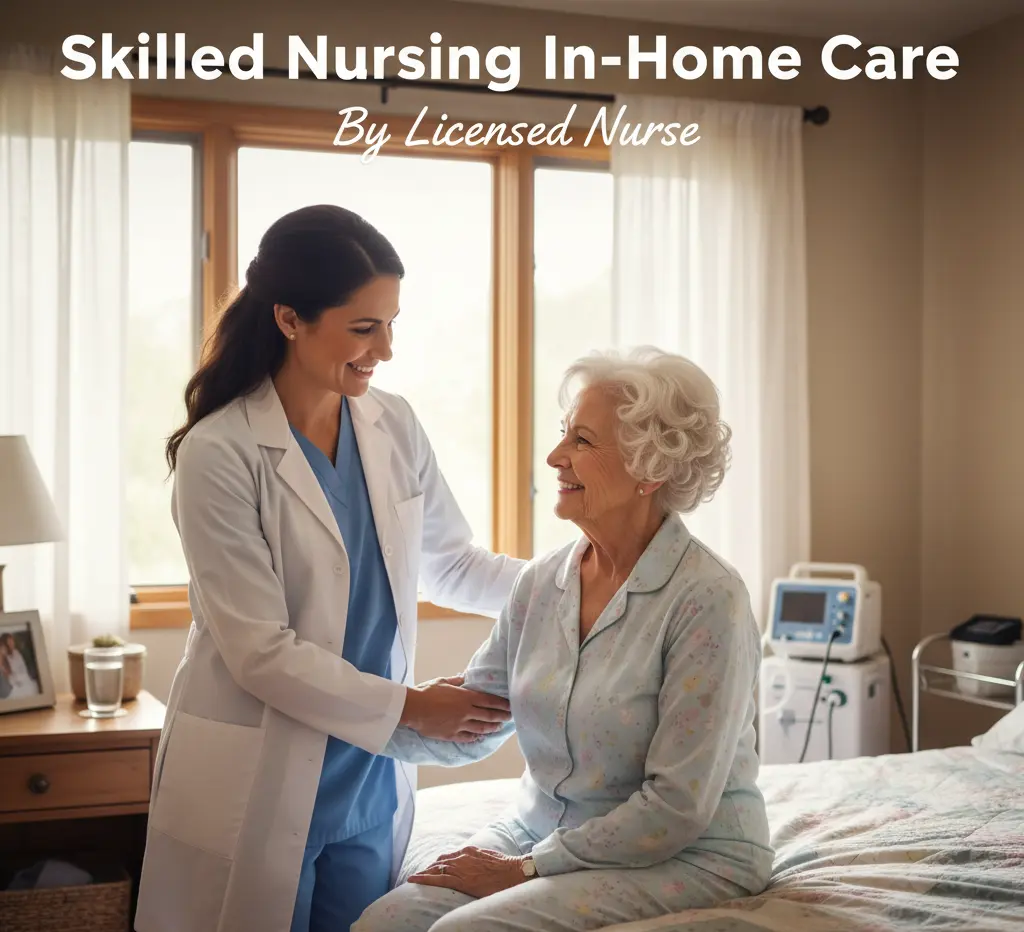
Skilled nursing refers to medically necessary care provided by licensed nurses either Registered Nurses (RNs) or Licensed Practical Nurses (LPNs) under the supervision of medical professionals. This type of care involves complex clinical tasks that only trained nurses can legally perform.
- Skilled nursing can be provided:
- In the patient’s home (in home skilled nursing services)
- In a skilled nursing facility (SNF)
- Following a hospital stay (post surgery nursing care)
- As long term support for chronic conditions
This level of care goes far beyond basic assistance. It focuses on medical stability, safety, recovery, and quality of life.
Why Skilled Nursing Matters: Expertise That Protects Patients
Choosing skilled nursing means choosing clinical accuracy, safety, and medical expertise. Unlike general caregiving, skilled nursing involves:
- Assessing health changes
- Administering medications safely
- Preventing complications
- Delivering specialized treatments
- Supporting recovery after injury, illness, or surgery
Families choose skilled nursing because it reduces hospital readmissions, speeds healing, and ensures medically fragile individuals receive the correct level of care.
Types of Skilled Nursing Services
Skilled nursing covers a wide range of clinical services. Below is a comprehensive list to help you understand what may be included.

1. Clinical Assessments and Monitoring
Services include:
- Regular health assessments
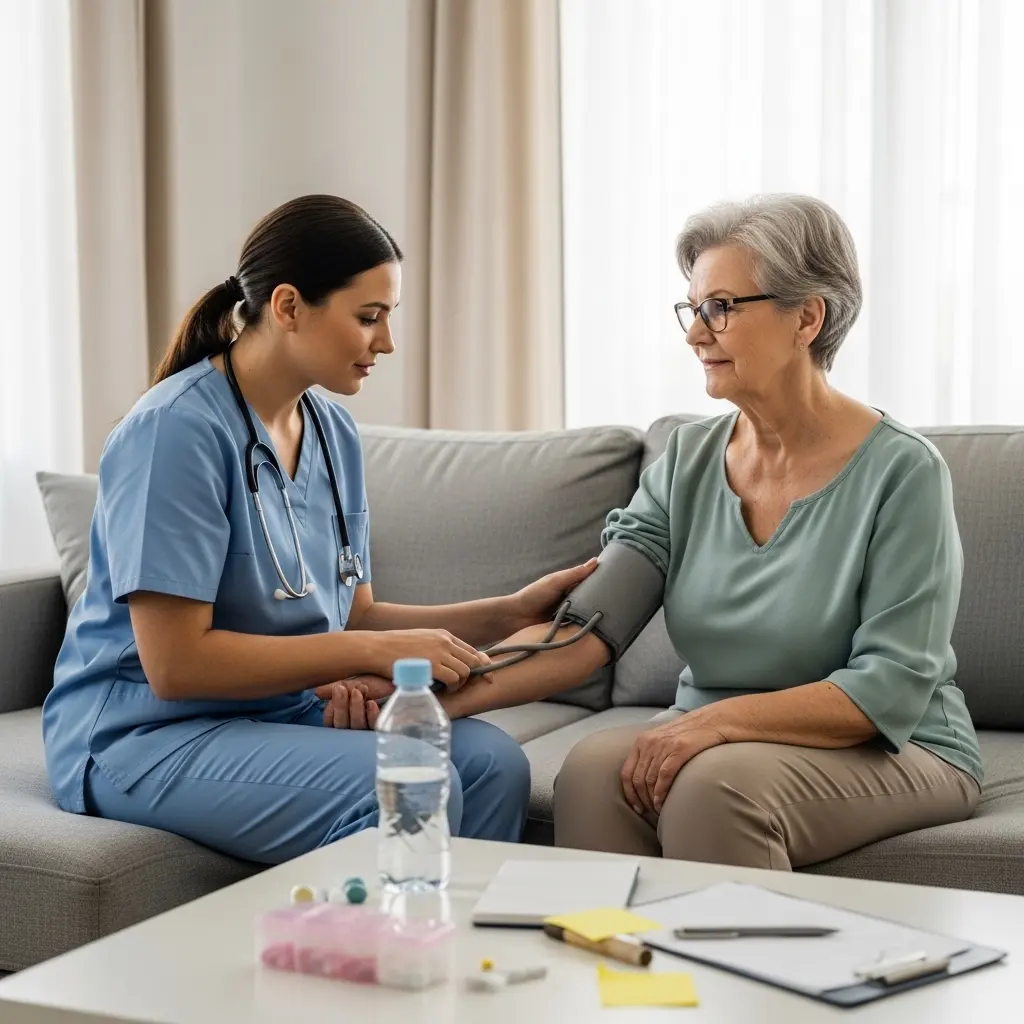
- Monitoring blood pressure, heart rate, oxygen levels
- Observing changes in symptoms
- Evaluating recovery progress
This type of home health nursing ensures patients with chronic conditions remain stable and safe.
2. Medication Management
Medication errors are one of the most common causes of hospital readmissions. Skilled nurses help by:
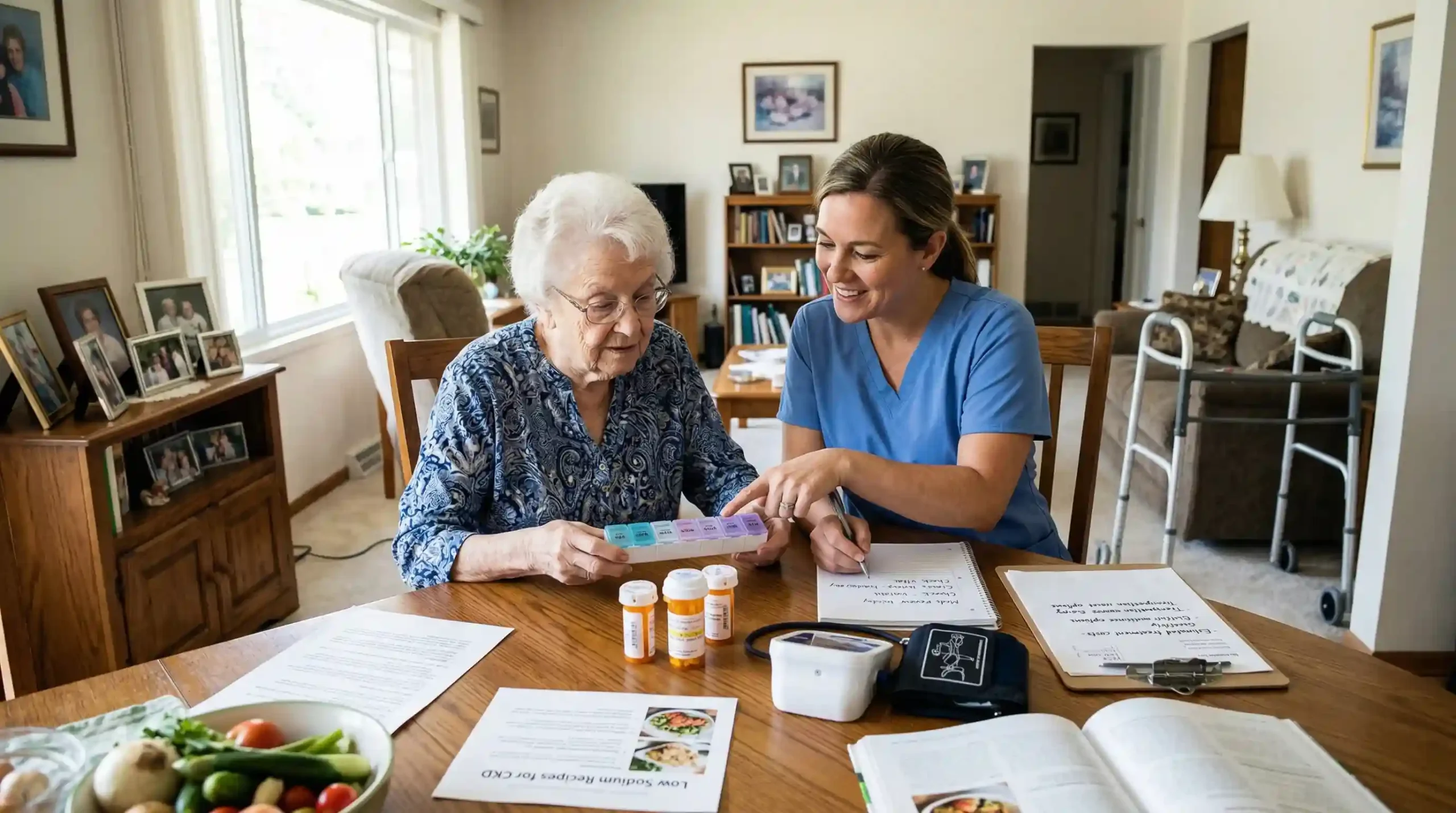
- Administering injections and IV medications
- Ensuring correct dosages and timing
- Preventing drug interactions
- Educating patients about medication use
3. Wound Care at Home
Wound care is one of the most requested skilled services.
Skilled nurses provide:
- Post surgical wound care
- Dressing changes
- Infection monitoring
- Pressure ulcer and diabetic wound management
Skilled wound care significantly reduces healing time.
4. Chronic Illness Management
Many adults require ongoing support for long-term medical conditions.
Skilled nursing helps manage:
- Diabetes
- COPD
- Heart failure
- Kidney disease
- Parkinson’s disease
- Neurological disorders
Services often include symptom monitoring, education, and preventing complications.
5. Rehabilitation Nursing Services
A vital part of skilled nursing, especially after hospitalization.
Nurses support:
- Physical therapy coordination
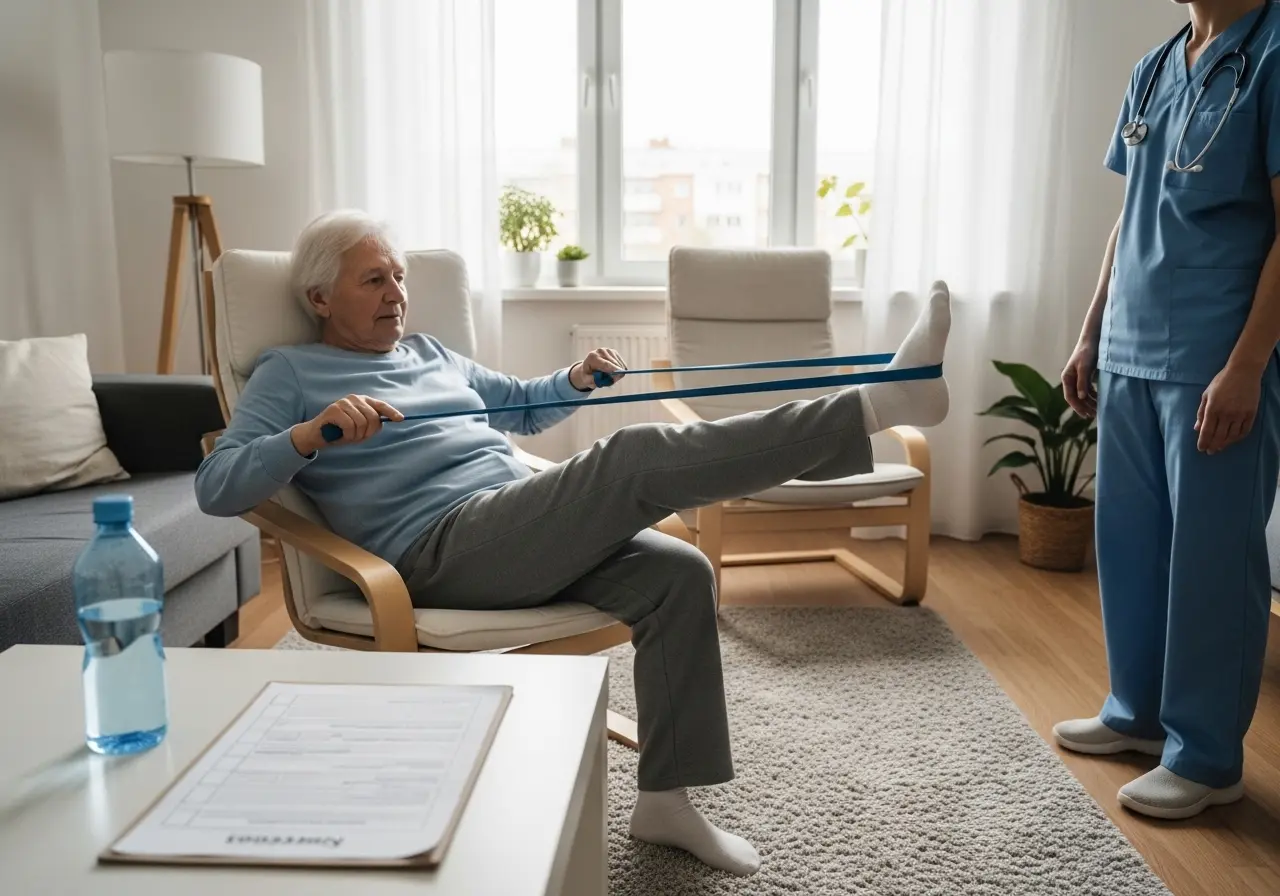
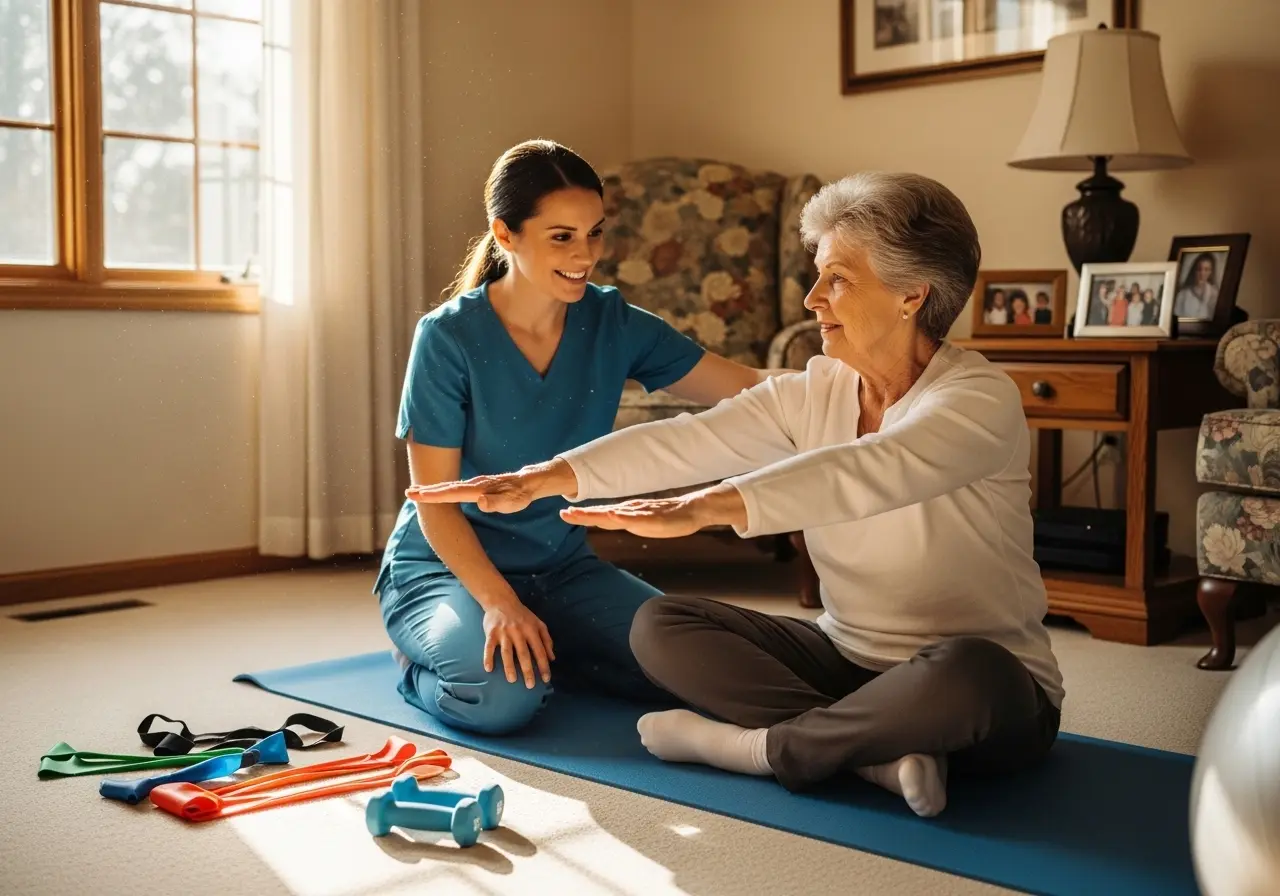
- Mobility exercises
- Strength building routines
- ADL support during recovery
- Safety monitoring
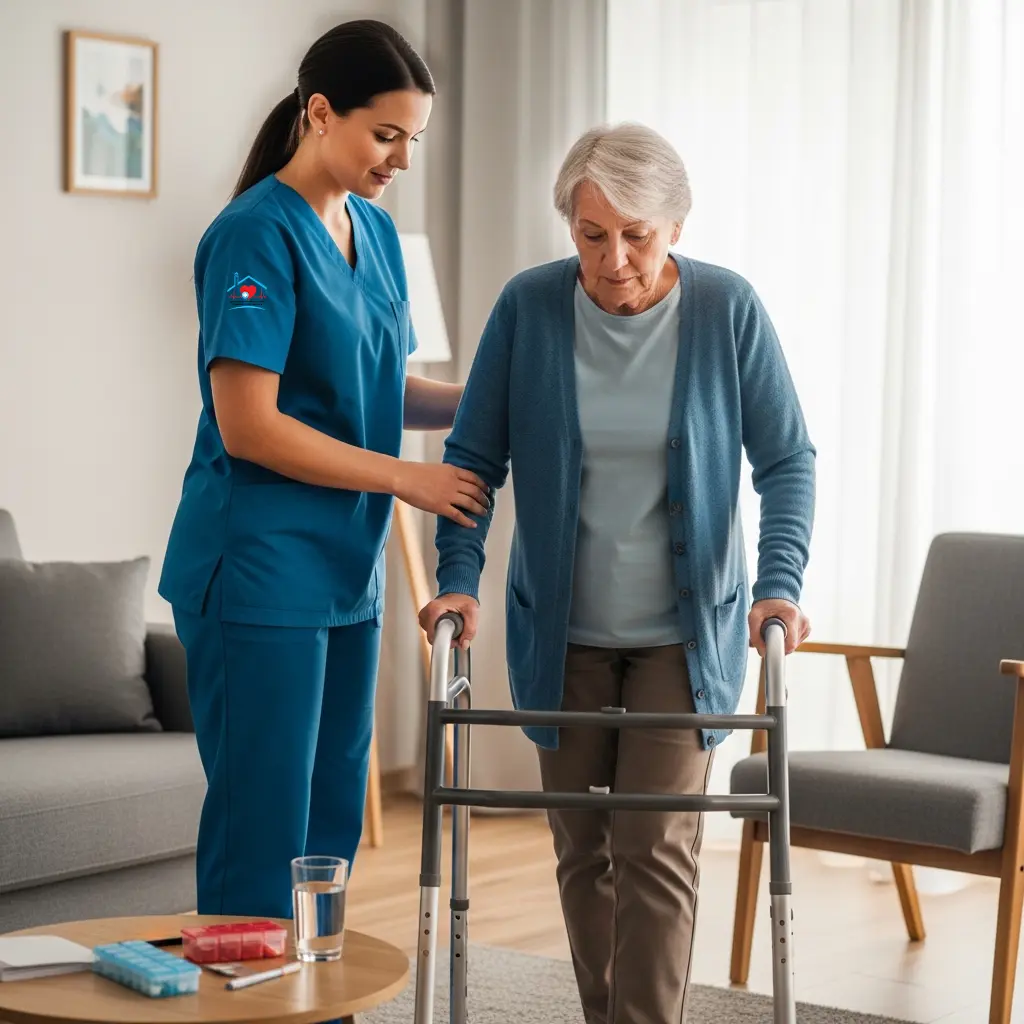
Rehabilitation nurses help patients regain independence while reducing fall risks.
6. 24Hour Skilled Nursing Care
For individuals with complex medical needs, around-the-clock nursing ensures:
- Constant monitoring
- Rapid response to emergencies
- Medication and equipment management
- Peace of mind for families
This level of care is often used for advanced neurological disorders, ventilator support, or unstable conditions.
Where Skilled Nursing Is Provided
Skilled nursing is flexible and can be delivered in different care environments based on patient needs.

1. In-Home Skilled Nursing Services
- Many families prefer in home care because it is:
- Comfortable
- Personalized
- Convenient
- Cost effective compared to facilities
A licensed nurse visits regularly or stays full time depending on the plan of care.
2. Skilled Nursing Facility (SNF)
These are residential centers that provide:
- 24/7 medical supervision
- On site rehabilitation programs
- Short term and long term stay options
SNFs are ideal for patients who need intensive care following hospitalization.
3. Hospital Based Skilled Nursing
After surgery or a major illness, skilled nursing may be provided within the hospital before transitioning home or to a facility.
Who Needs Skilled Nursing?
Not everyone requires skilled care, but it becomes essential when medical needs surpass what caregivers or aides can handle.
Skilled nursing is recommended for individuals who:
- Are recovering from surgery
- Have chronic or unstable medical conditions
- Require wound care or IV therapy
- Need rehabilitation after stroke, fall, or injury
- Experience medication complications
- Need ongoing monitoring to avoid hospitalization
- Have neurological or mobility limitations
Benefits of Skilled Nursing
Families choose skilled nursing because it provides meaningful clinical and emotional benefits.
1. Faster Recovery and Improved Outcomes
Professional medical oversight reduces complications and speeds healing.
2. Reduced Hospital Readmissions
Skilled nurses catch issues early before they become emergencies.
3. Safety and Risk Prevention
Especially important for seniors or patients with mobility or cognitive challenges.
4. Personalized Medical Care
Treatment plans are tailored to the individual’s:
- Diagnosis
- Mobility level
- Medication needs
- Personal goals
5. Better Quality of Life
Skilled nursing allows patients to stay at home, remain independent, and maintain daily routines.
Skilled Nursing vs. Non Skilled Care: What’s the Difference?
A common source of confusion is the difference between skilled nursing and non medical caregiving.

Both are important but skilled nursing is essential for medical stability.
How to Access Skilled Nursing Services
Securing skilled nursing can feel overwhelming. Here’s a simple step by step guide.
1. Get a Physician’s Evaluation
A doctor must decide that skilled nursing is necessary based on the patient’s condition.
2. Choose the Care Setting
Decide between:
In home skilled nursing
Skilled nursing facility
Post hospital transition care
3. Select a Licensed Care Provider
Look for:
State licensed agencies
Experienced registered nurses
Positive family reviews
Accreditation status
4. Develop a Care Plan
The nurse, physician, and family collaborate to build a treatment plan with specific goals.
5. Insurance Verification
Check coverage through:
Medicare
Medicaid
Private insurance
Long term care insurance
Many plans cover skilled nursing if medically necessary.
Real Life Examples of Skilled Nursing in Action
Case Study 1: Post Surgery Recovery at Home
After knee replacement surgery, Mrs. L needed wound care, mobility support, and medication management. With skilled nursing, she avoided infection and regained mobility within six weeks.

Case Study 2: Chronic Illness Management for Heart Failure
A skilled nurse monitored Mr. B’s blood pressure, oxygen levels, and weight. Early intervention prevented two potential hospitalizations.

Case Study 3: Stroke Rehabilitation
Nurses supported mobility exercises, medication administration, and safety supervision helping a patient regain independence faster.

FAQs: Skilled Nursing (People Also Ask)
1. What services does skilled nursing include?
Skilled nursing includes wound care, IV therapy, medication management, chronic illness monitoring, rehabilitation support, post surgery nursing care, and health assessments all performed by licensed nurses.
2. Is skilled nursing covered by insurance?
Yes. Medicare, Medicaid, and many private insurance plans cover skilled nursing when it is medically necessary and ordered by a physician.
3. How is skilled nursing different from home caregiving?
Skilled nursing is clinical and performed by licensed nurses. Home caregiving provides help with daily tasks like bathing, meals, and companionship.
4. Can skilled nursing be provided at home?
Absolutely. In home skilled nursing services are one of the fastest growing care options for seniors and patients with chronic or post surgical needs.
5. How long can someone receive skilled nursing care?
It depends on medical need. Some patients require short term care, while others benefit from long term or 24 hour skilled nursing support.
Final Thoughts
Skilled nursing is one of the most important forms of medical care available to families today. Whether you’re recovering after surgery, managing a chronic condition, or supporting a loved one who needs advanced clinical care, skilled nursing offers safety, comfort, expertise, and peace of mind. By understanding your options from in home skilled nursing services to skilled nursing facility care you can make informed, confident decisions that protect your health and quality of life.